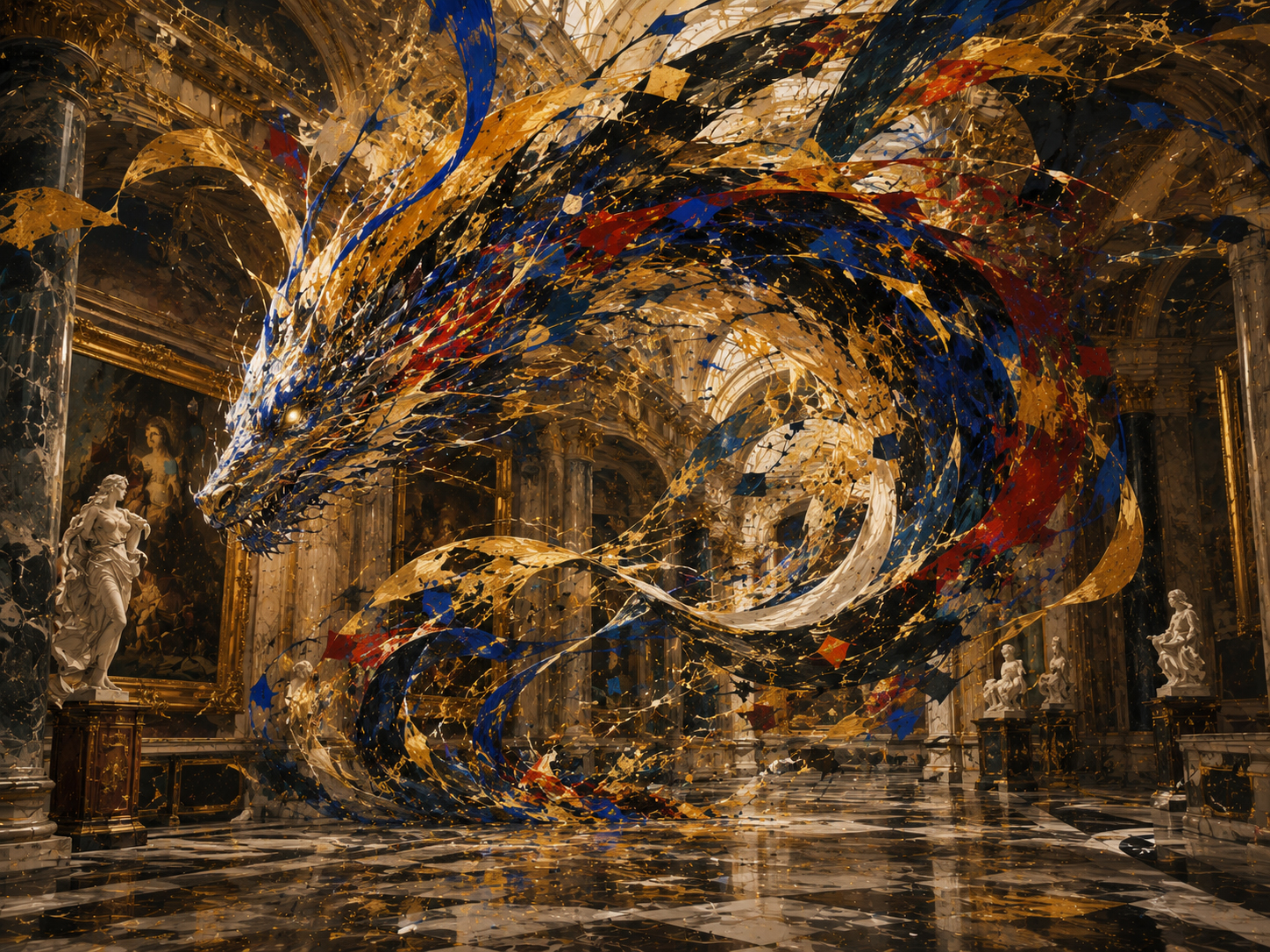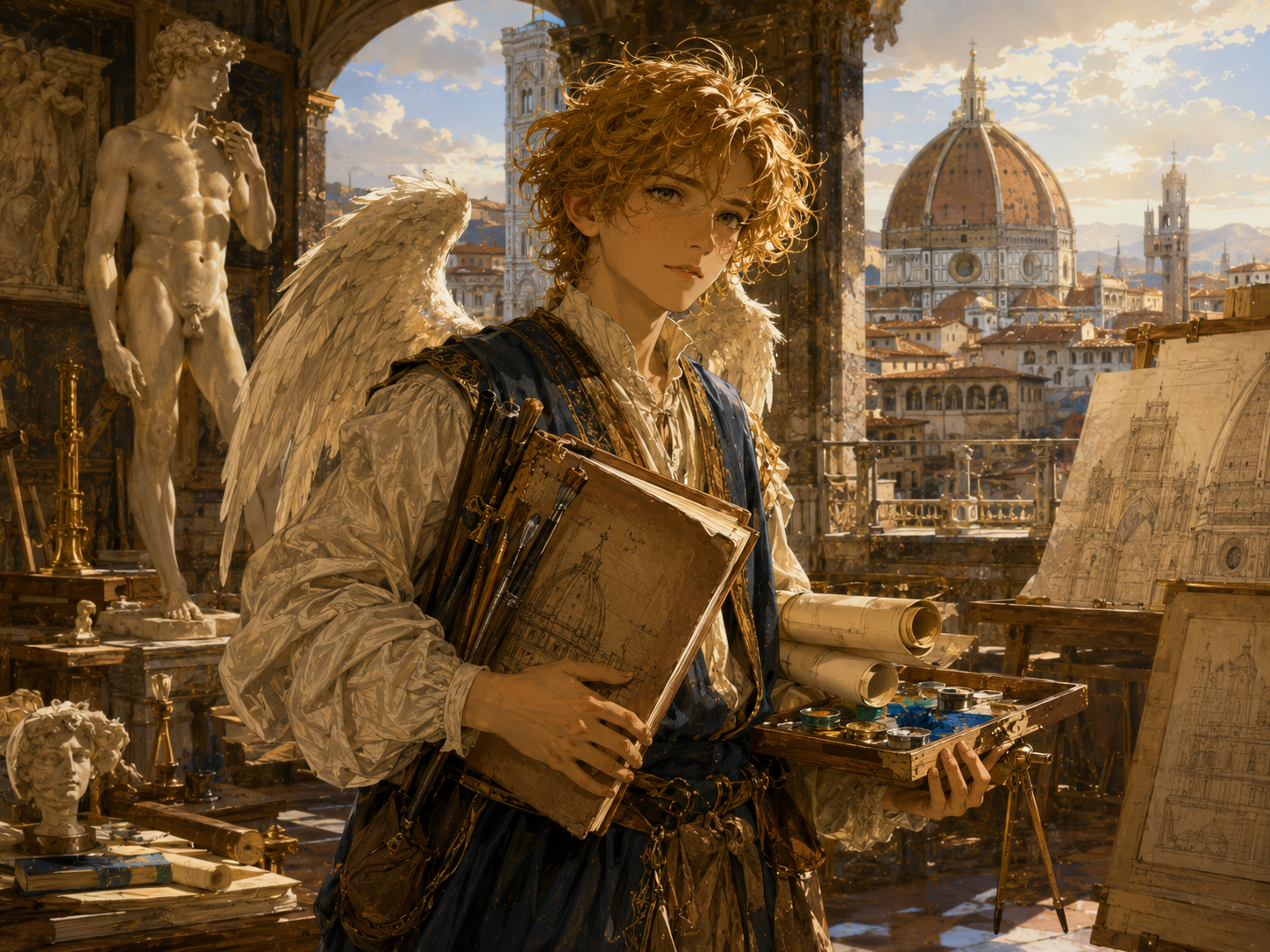
The simple definition
What is an art movement?
An art movement is a shared visual language. Artists may not all know each other, and they may not agree on everything, but their work starts circling the same big question: Should art be orderly? Dramatic? Emotional? Ordinary? Modern? Dreamlike? Completely free?
FineArtDaily’s rule is simple: do not memorize movements like homework. Treat each one like a room with its own lighting, soundtrack, costume department, and argument.
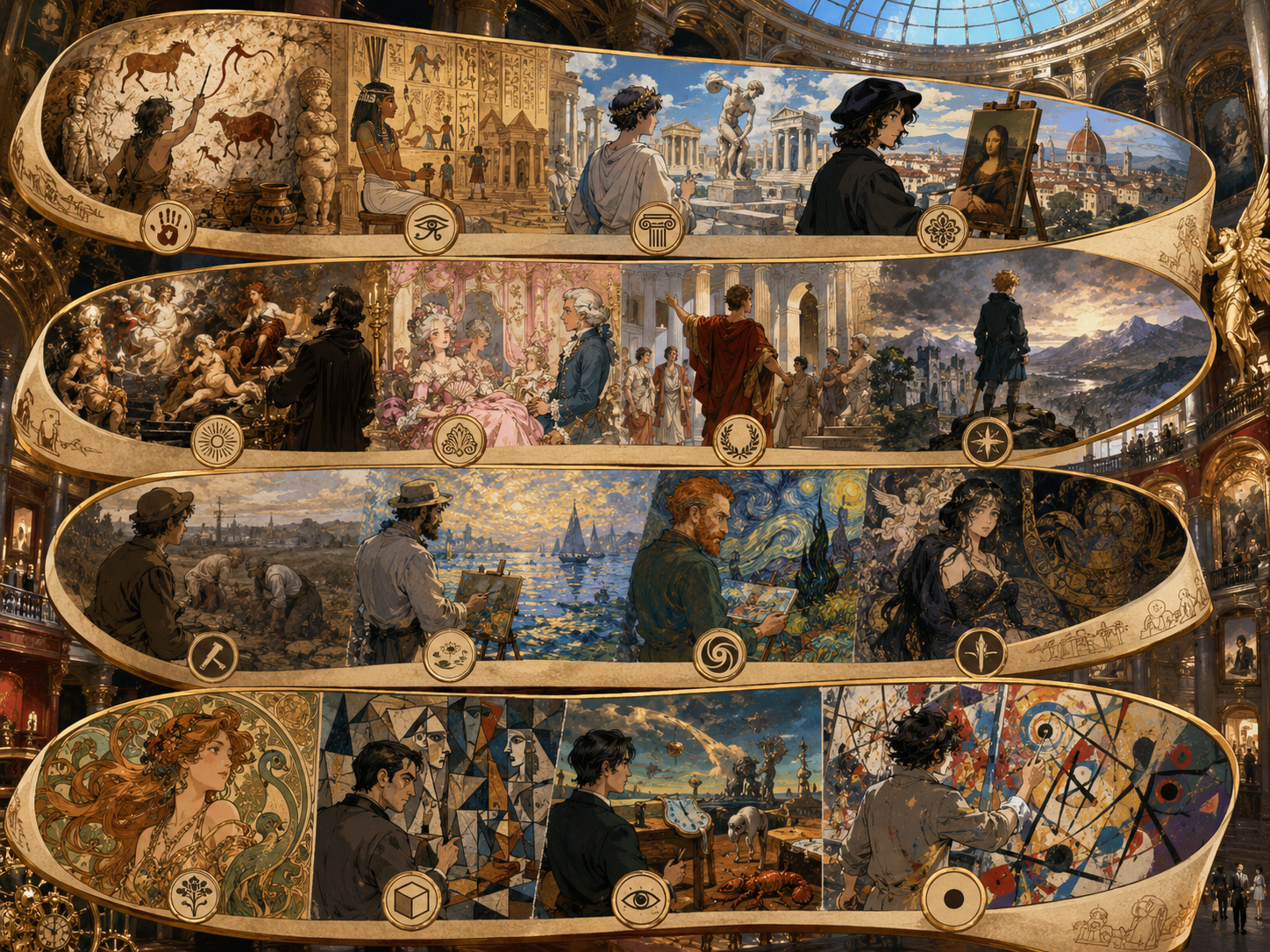
The movement timeline
The exact dates overlap, and different countries move at different speeds. But this gallery path gives you the main emotional arc: order, drama, elegance, reason, storm, reality, light, color, dream, machine, fracture, and freedom.
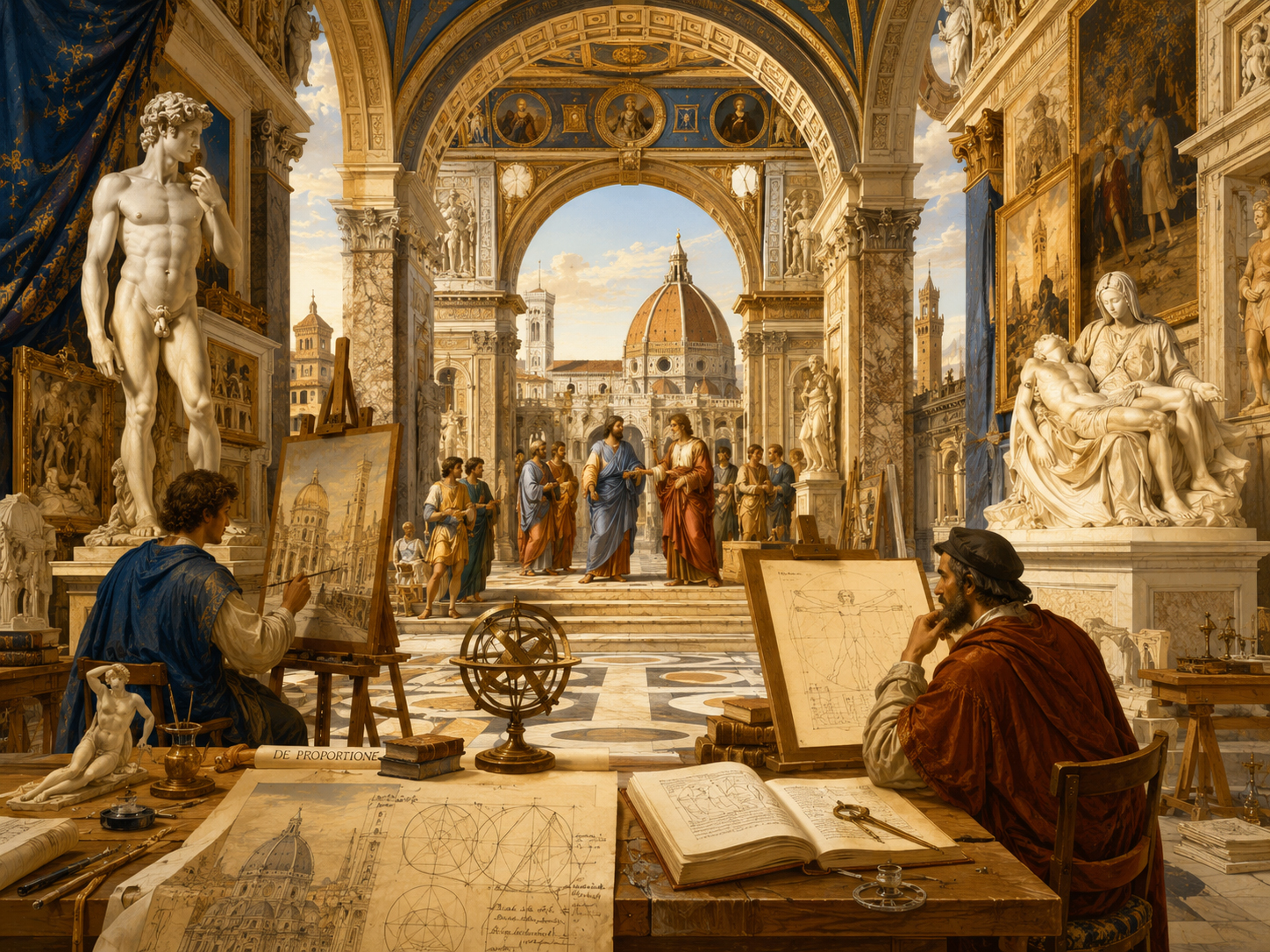
Light and Order
Humanism, perspective, anatomy, balance, and the confident return of classical structure.
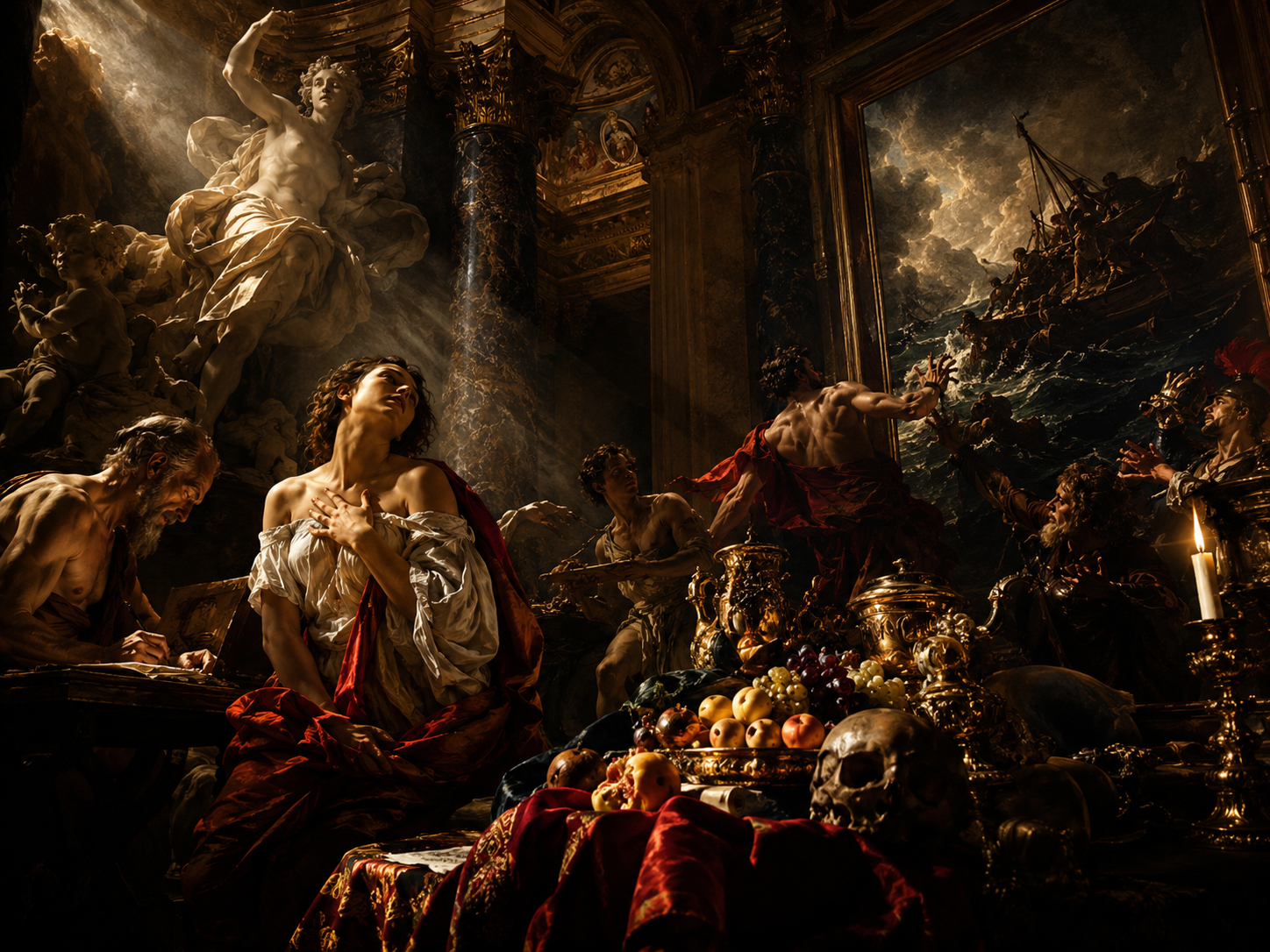
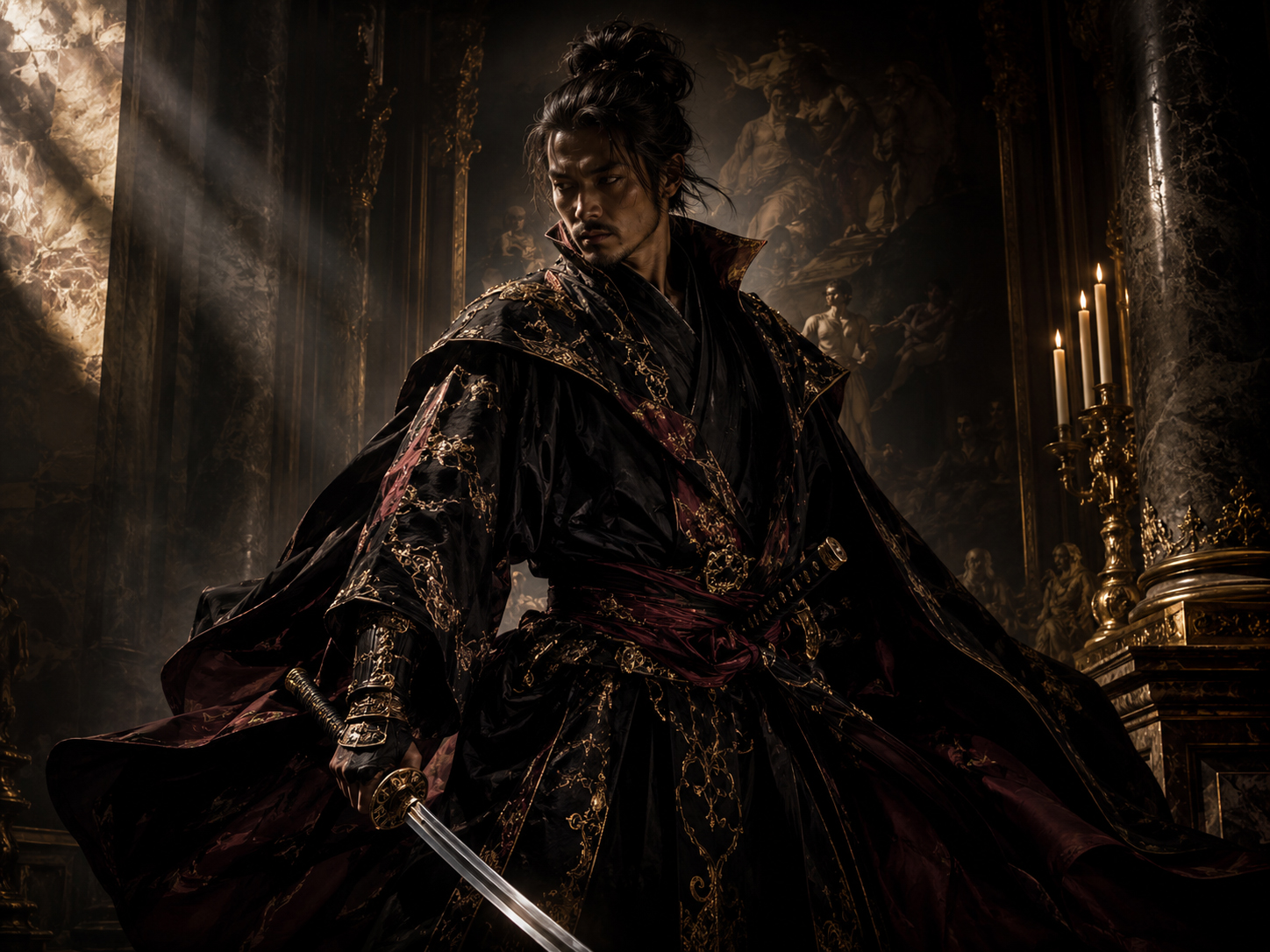
Drama and Shadow
Chiaroscuro, movement, theatrical emotion, saints, kings, battles, and spotlight-level intensity.
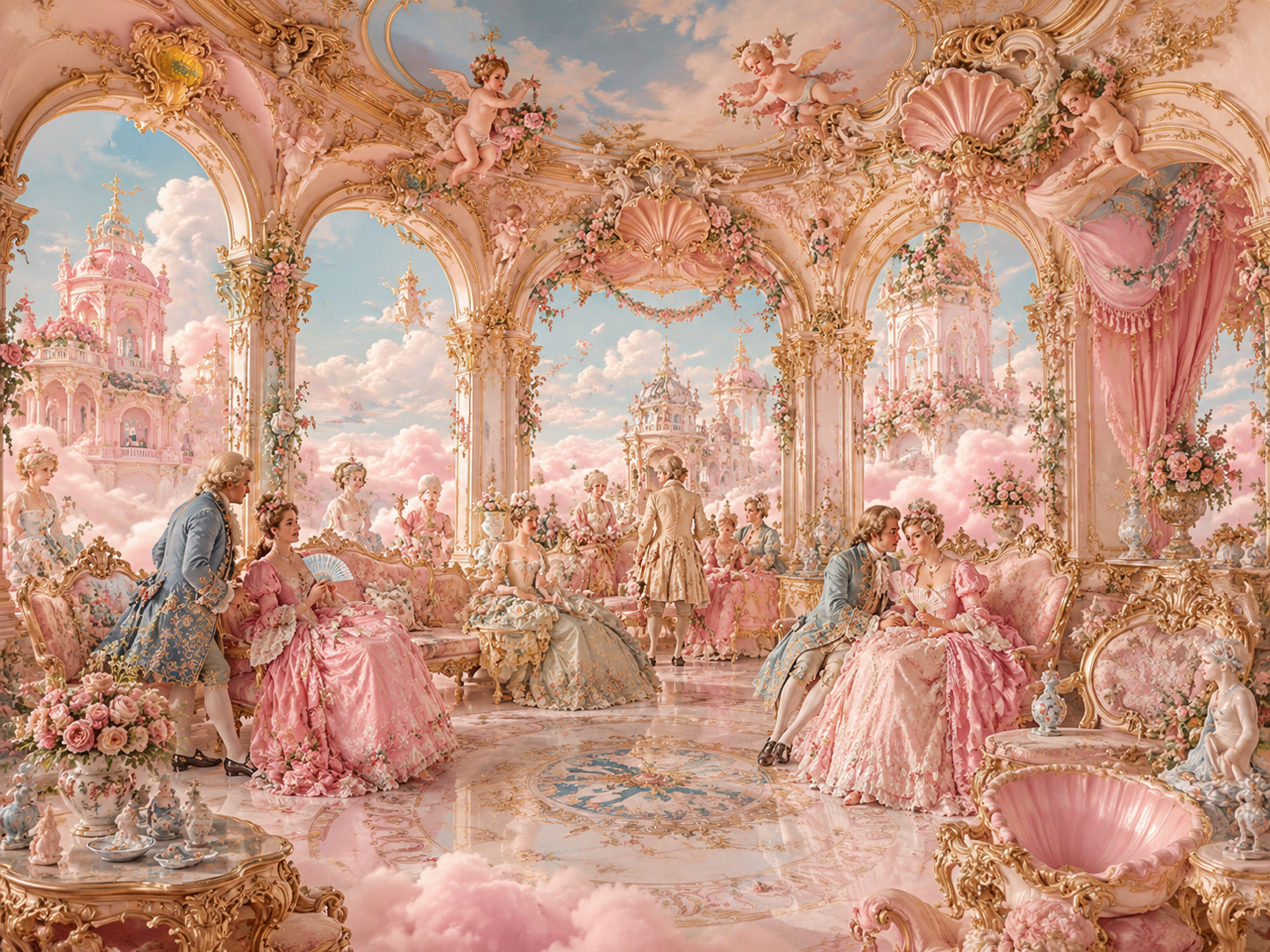
Pink Cloud Palace
Pastel luxury, gardens, silk, flirtation, curved ornament, and decorative joy before the bill arrives.
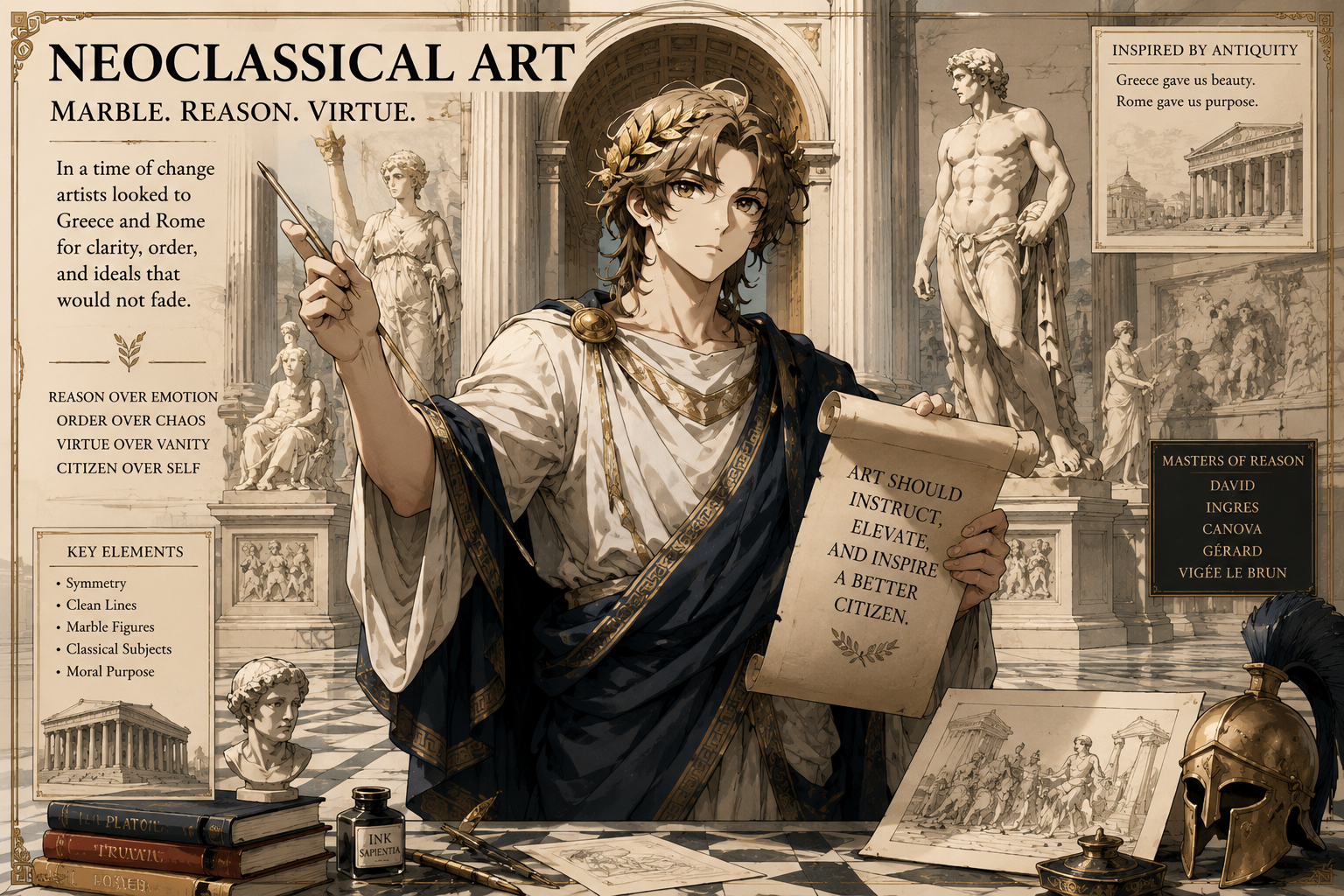
Marble and Reason
Clear lines, antique virtue, moral seriousness, civic ideals, and a room full of marble confidence.
Renaissance: the room gets measured
Renaissance artists built pictures like architecture. Perspective made space feel believable. Anatomy made bodies feel studied. Classical antiquity returned as a living toolbox. The result: art that looked more human, more spatial, and more intellectually ambitious.
Baroque: the spotlight hits
Baroque art loves the exact second when everything is happening. A saint faints, a curtain flies, a soldier turns, a candle catches a face. It is visual theater: strong diagonals, deep shadow, glowing skin, and emotional pressure.
Rococo: the room becomes dessert
Rococo is elegance with whipped cream. It favors soft color, playful scenes, delicate ornament, courtly romance, and curved decorative rhythms. It is beautiful, airy, and intentionally excessive.
Neoclassicism: reason enters with a ruler
Neoclassicism reacts against Rococo softness by marching back to ancient Rome and Greece. It wants moral clarity, firm drawing, noble poses, and polished restraint. If Rococo is perfume, Neoclassicism is a marble oath.
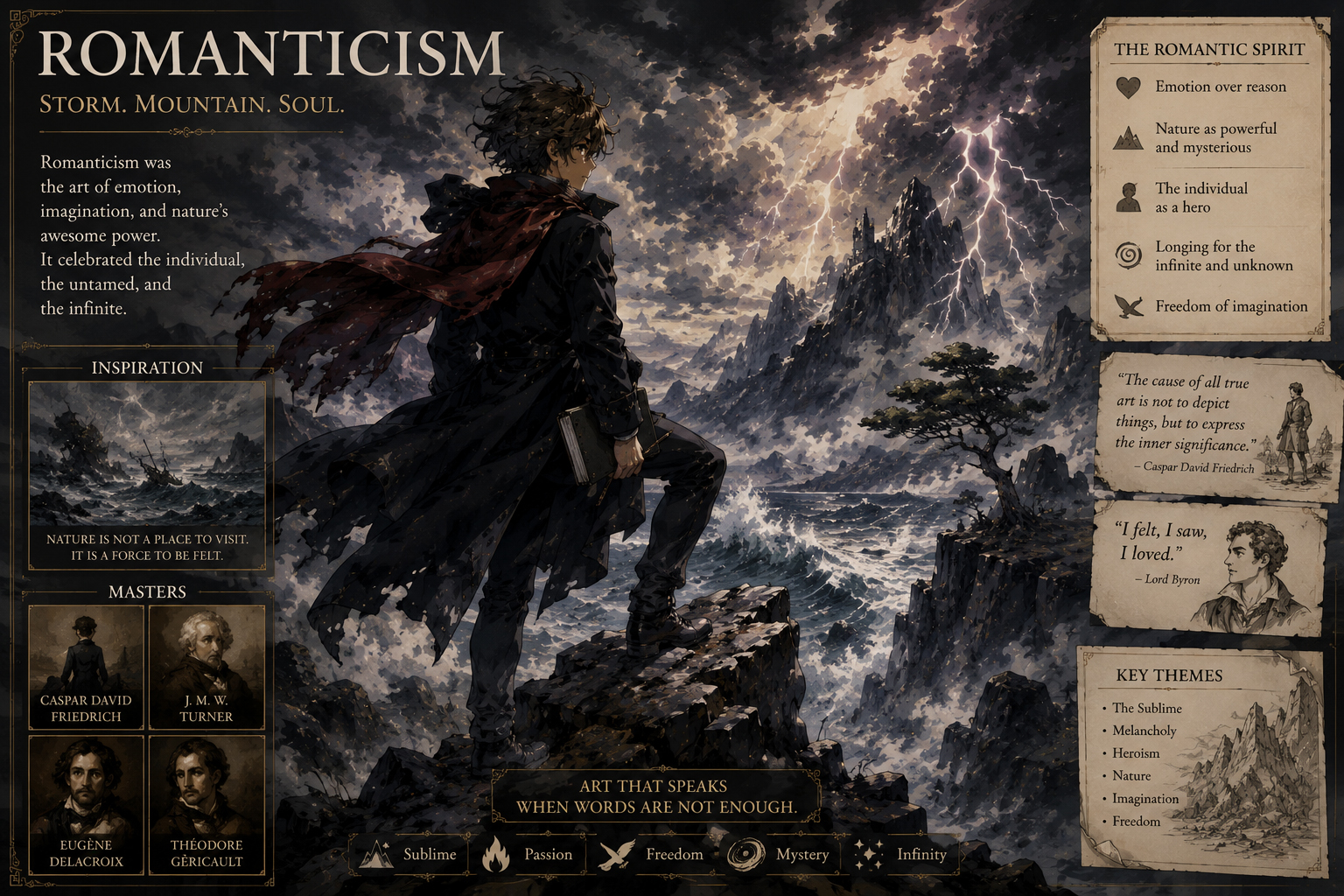
Storm Mountain Soul
Nature, emotion, the sublime, lonely heroes, ruined castles, shipwrecks, and thunder.
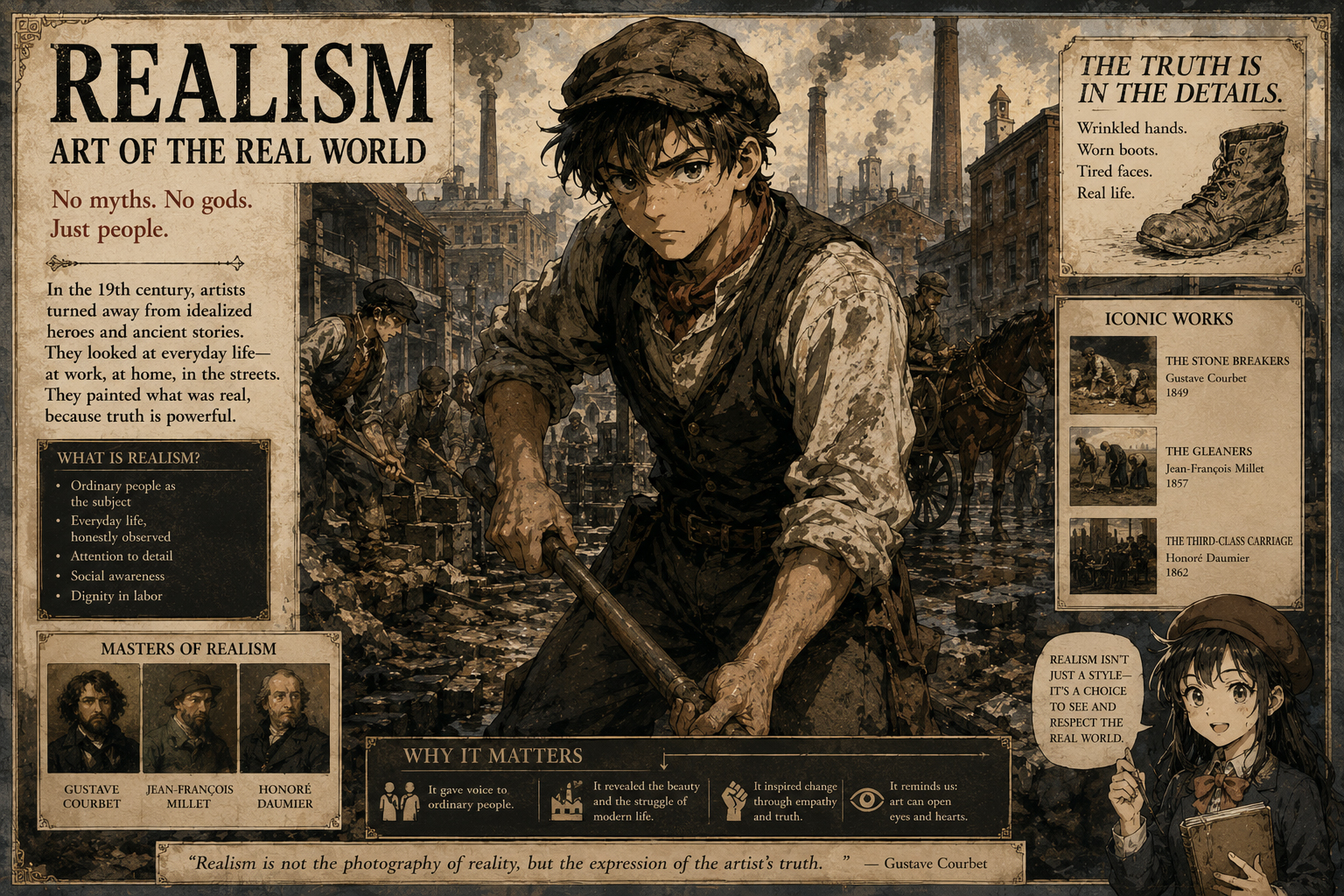
Workers and Truth
Ordinary people, work, dirt, social reality, and the refusal to pretend life is always mythological.
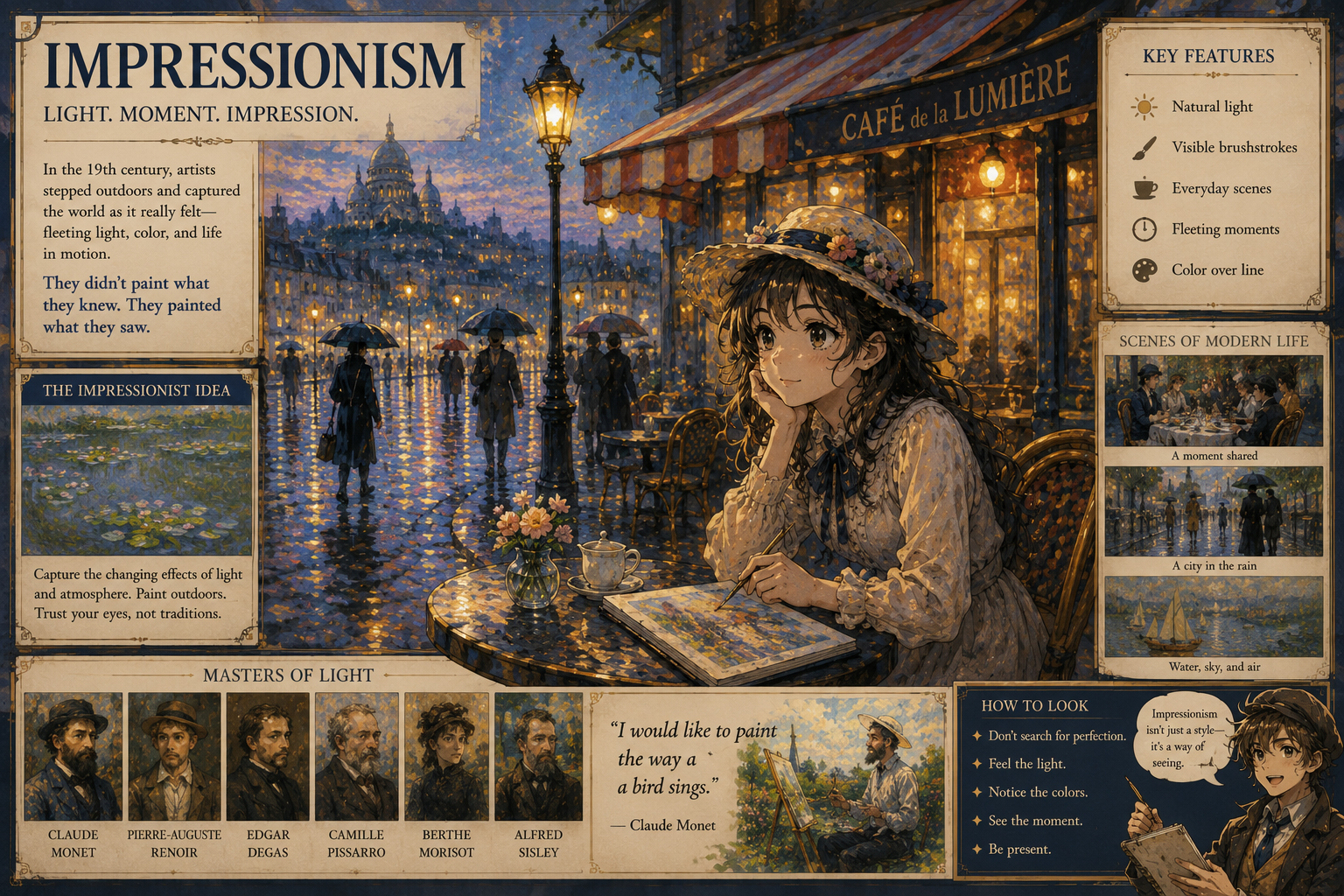
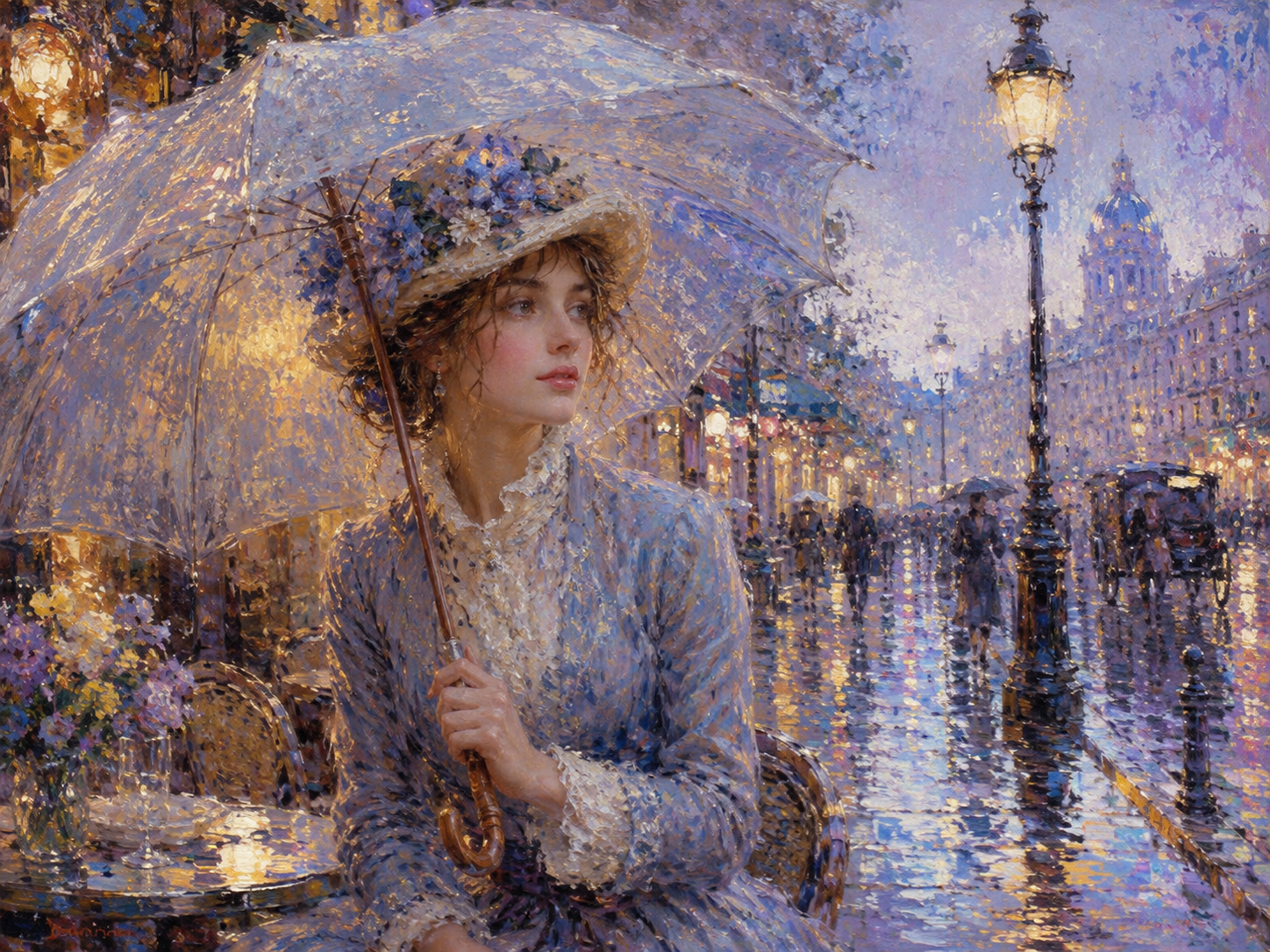
Light, Café, Rain
Modern life, quick brushwork, outdoor light, reflections, atmosphere, and the moment before it disappears.
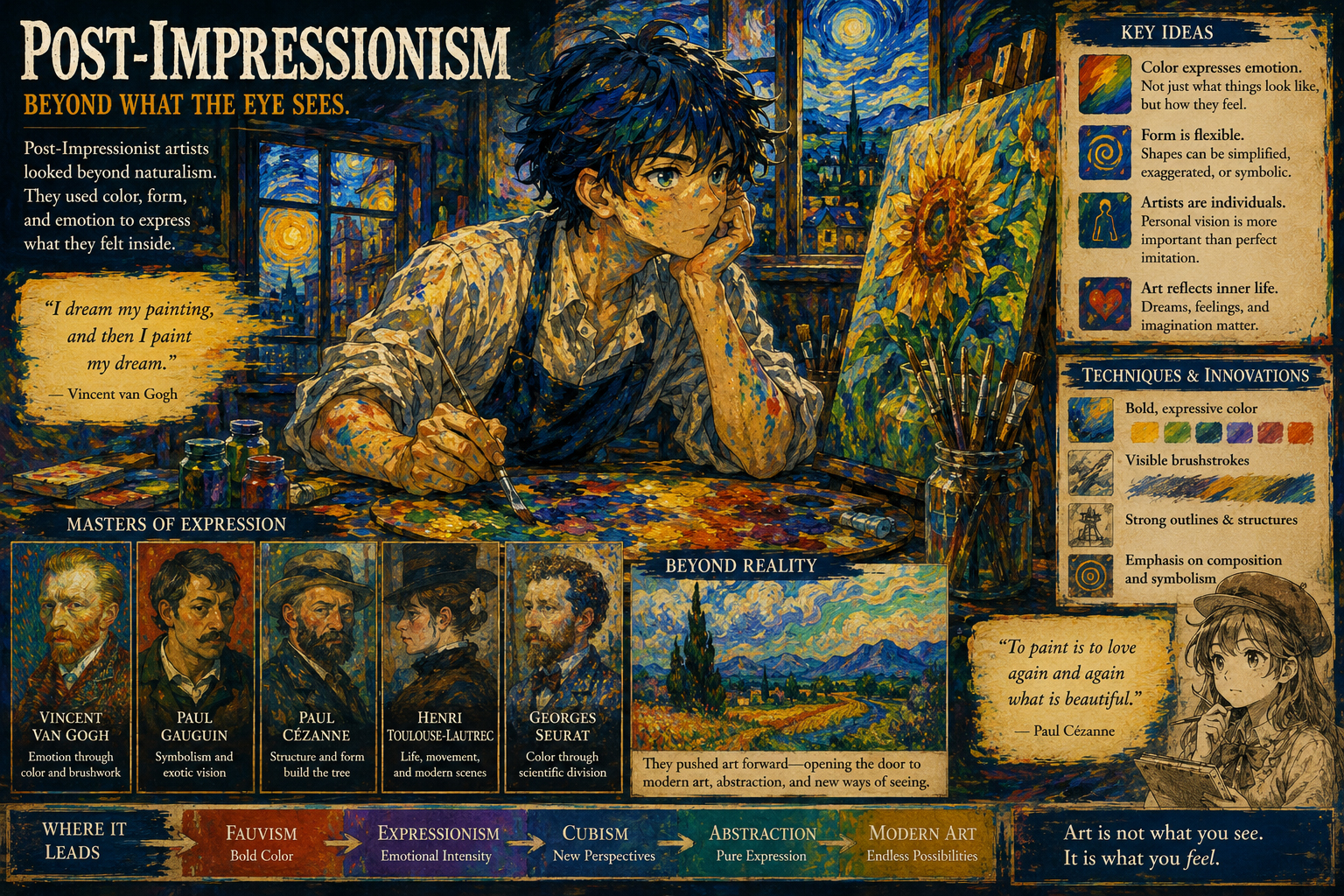
Color and Emotion
The Impressionist door opens, then color, structure, symbol, and personal vision rush through.
Romanticism: feelings climb the mountain
Romanticism makes nature enormous and the human figure small. It cares about awe, fear, longing, revolution, imagination, and the sublime. Mountains, storms, ruins, and shipwrecks are not just scenery. They are emotional weather.
Realism: the mythological fog clears
Realism turns toward actual life: laborers, farms, factories, streets, kitchens, and the social conditions of ordinary people. It is not anti-beauty. It simply believes truth has its own weight.
Impressionism: light becomes the subject
Impressionism does not freeze the world. It lets the world shimmer. Brushstrokes stay visible. Shadows carry color. Cafés, gardens, trains, rivers, dancers, and rainy streets become modern subjects because modern life itself becomes paint-worthy.
Post-Impressionism: the artist turns up the volume
Post-Impressionism is not one style. It is a collection of artists pushing beyond Impressionism: more structure, more symbolism, more emotional color, more personal vision. This is where modern art starts warming up its engine.
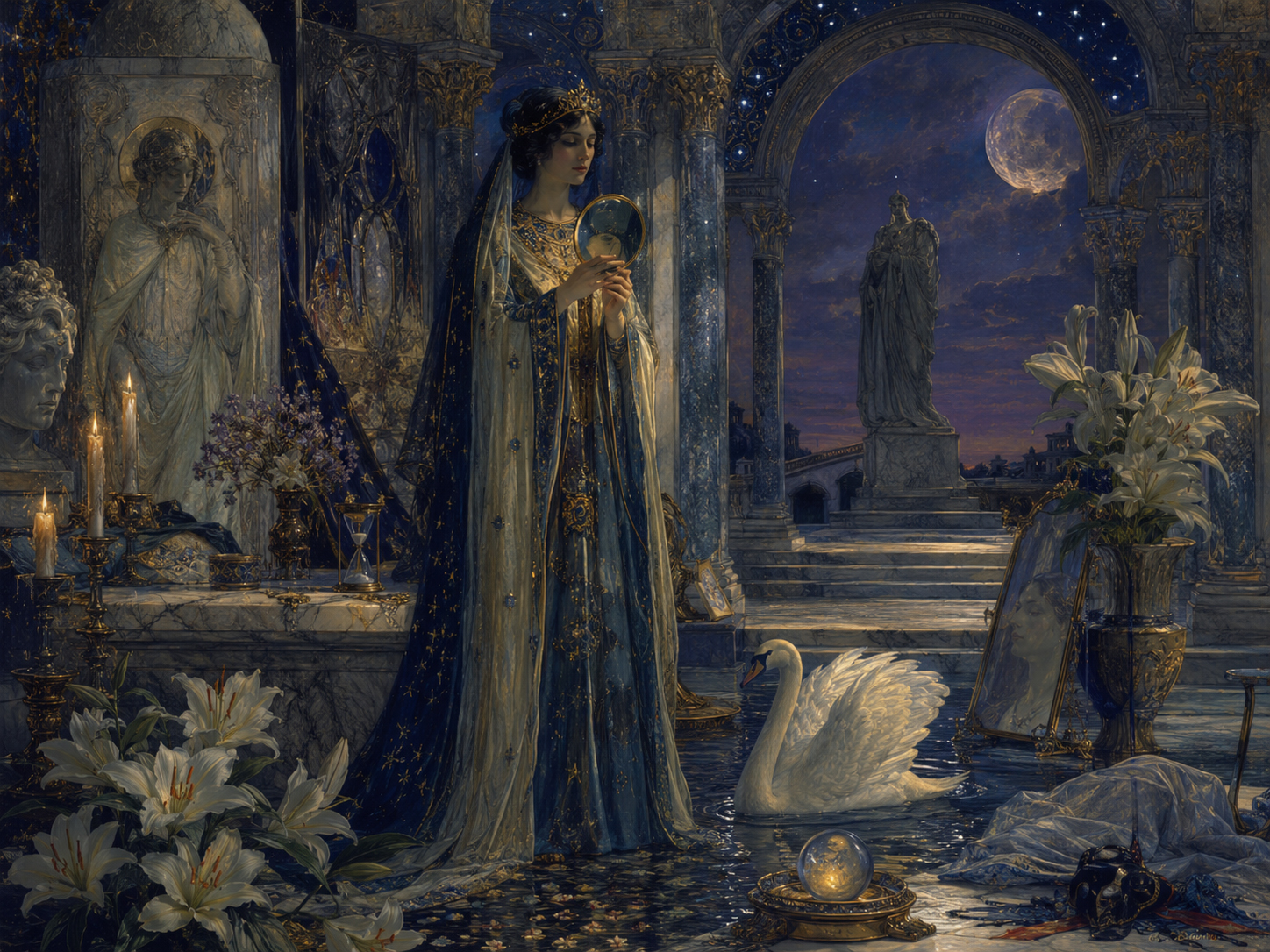
Dream Temple
Inner worlds, myths, visions, moods, and images that behave like riddles.
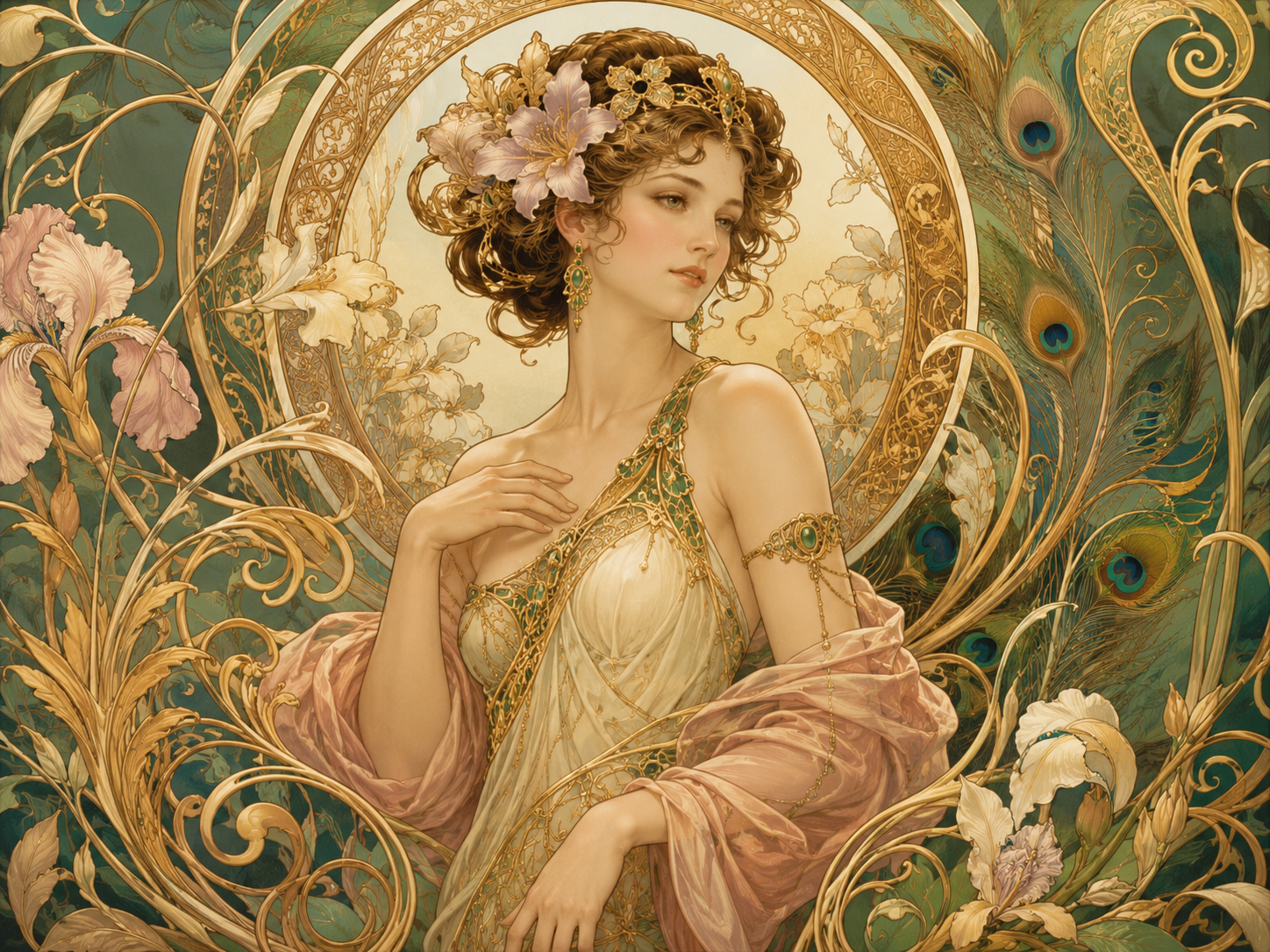
Golden Vines
Flowing lines, plants, posters, decorative design, elegant figures, and architecture that grows like a flower.
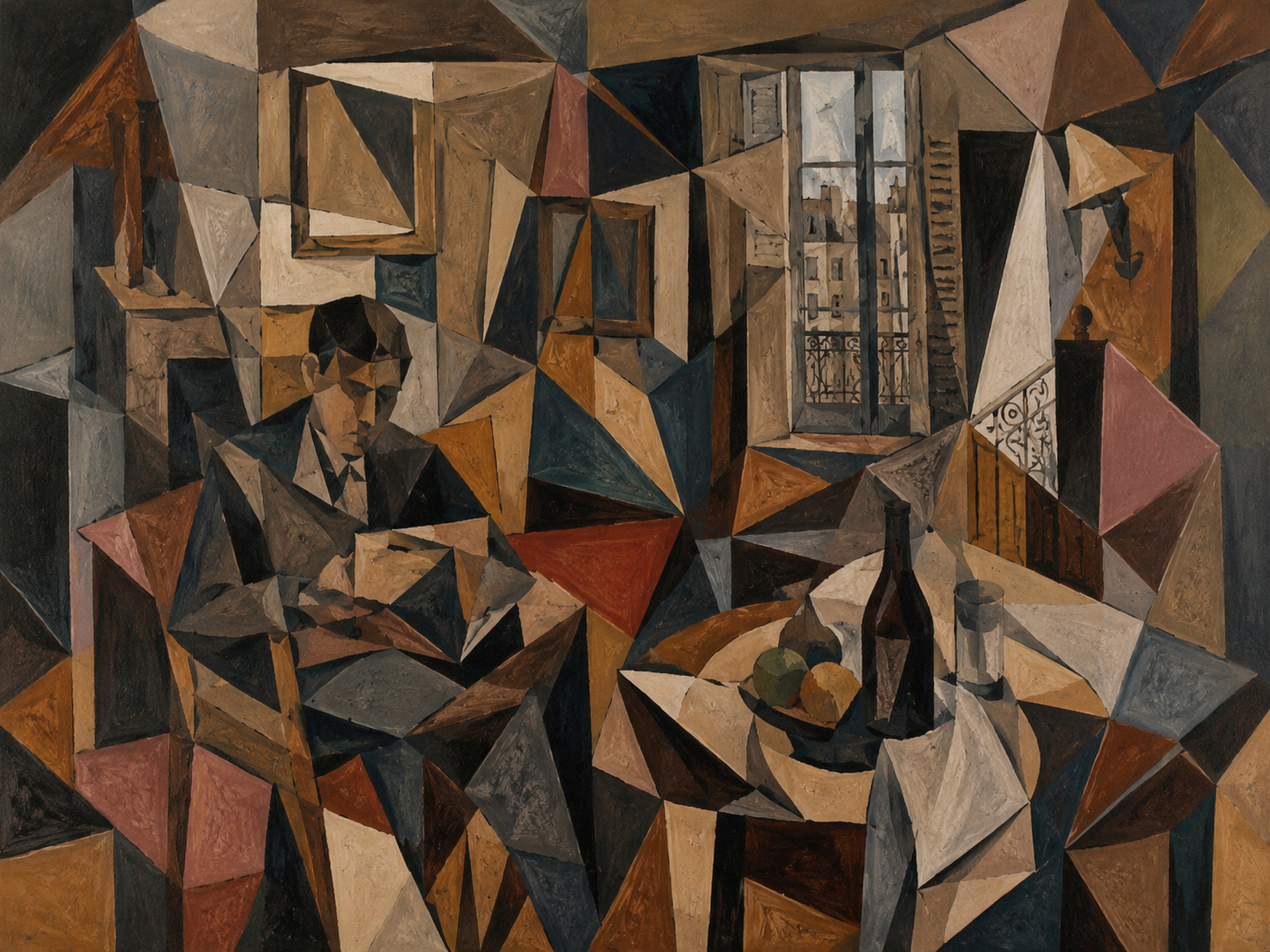
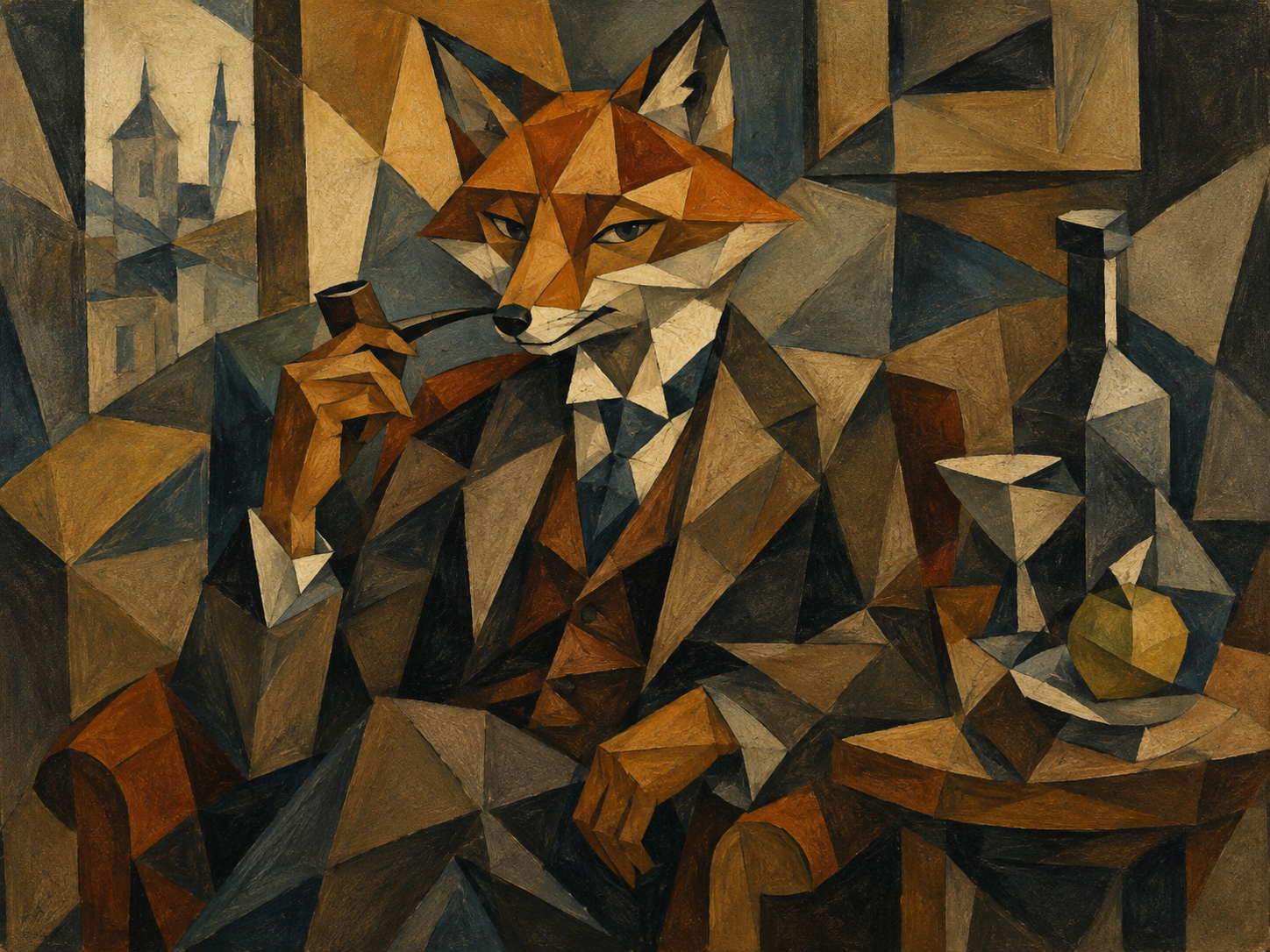
Room of Many Angles
Objects broken apart and rebuilt so the viewer sees multiple sides at once.
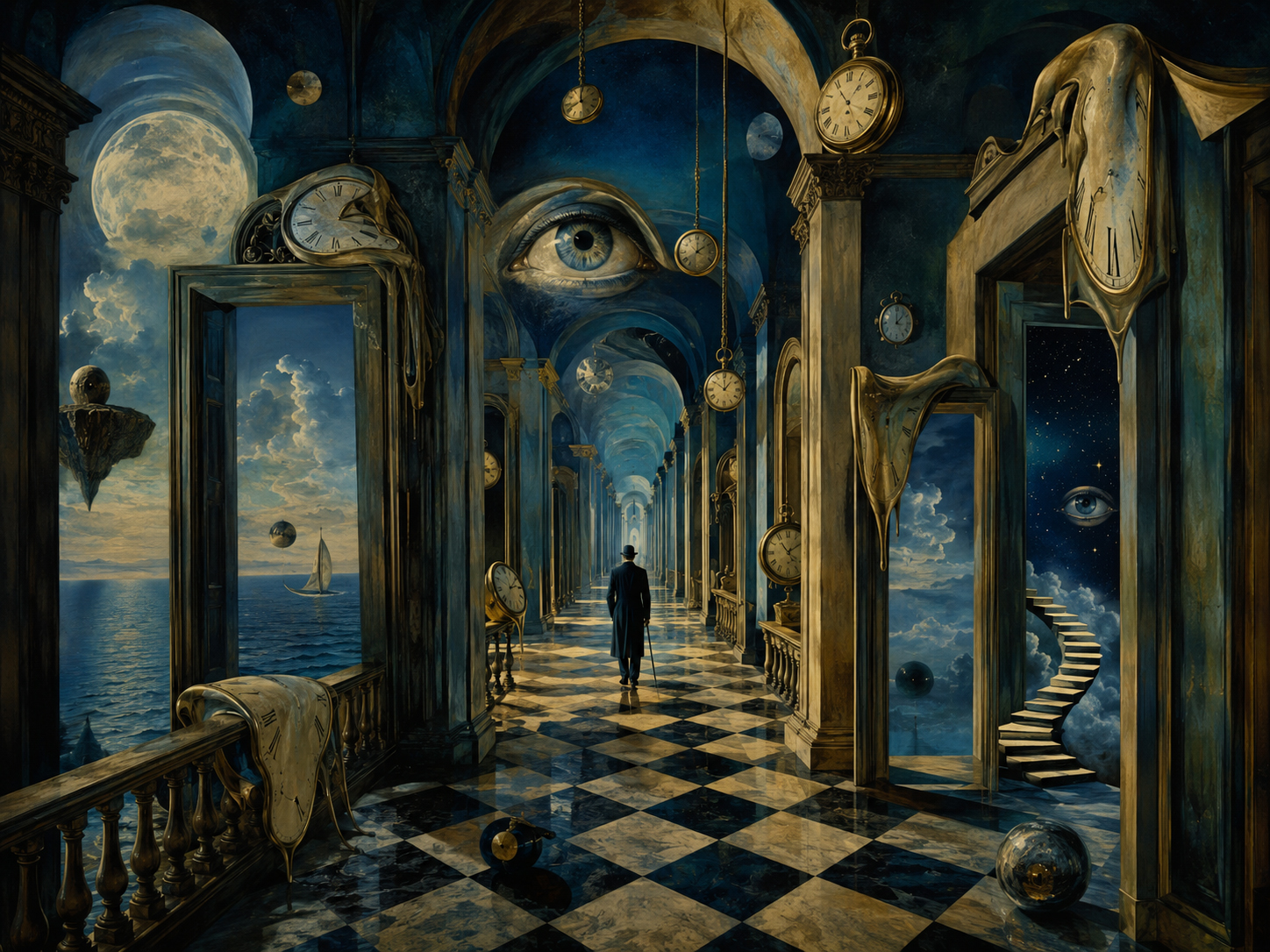
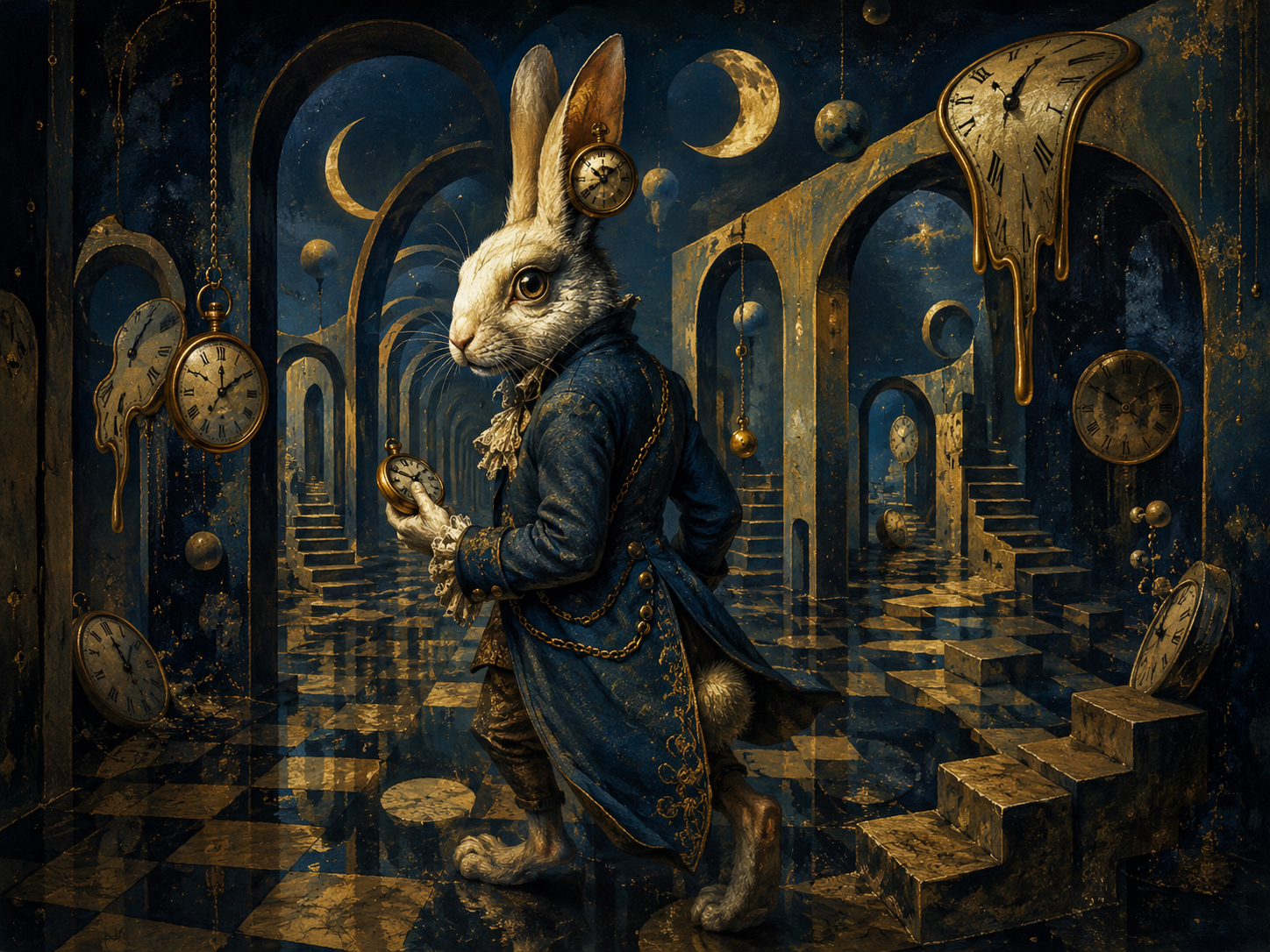
Clock Dream Corridor
Dream logic, strange juxtapositions, unconscious symbols, and rooms that refuse normal rules.
Symbolism: the painting becomes a dream clue
Symbolism is less interested in the visible world than the invisible one: dreams, myths, spirituality, desire, dread, and private meanings. A Symbolist painting may look quiet, but it usually has a secret door open somewhere.
Art Nouveau: design learns to grow
Art Nouveau turns line into a living thing. Posters, jewelry, architecture, furniture, and illustration fill with stems, hair, flowers, insects, and flowing curves. It is one of the great bridges between fine art and design culture.
Modern art: the frame starts cracking
Modern art is not one movement. It is a long argument with tradition. The modern artist asks whether art must imitate nature, tell a story, obey perspective, flatter patrons, or even look finished.
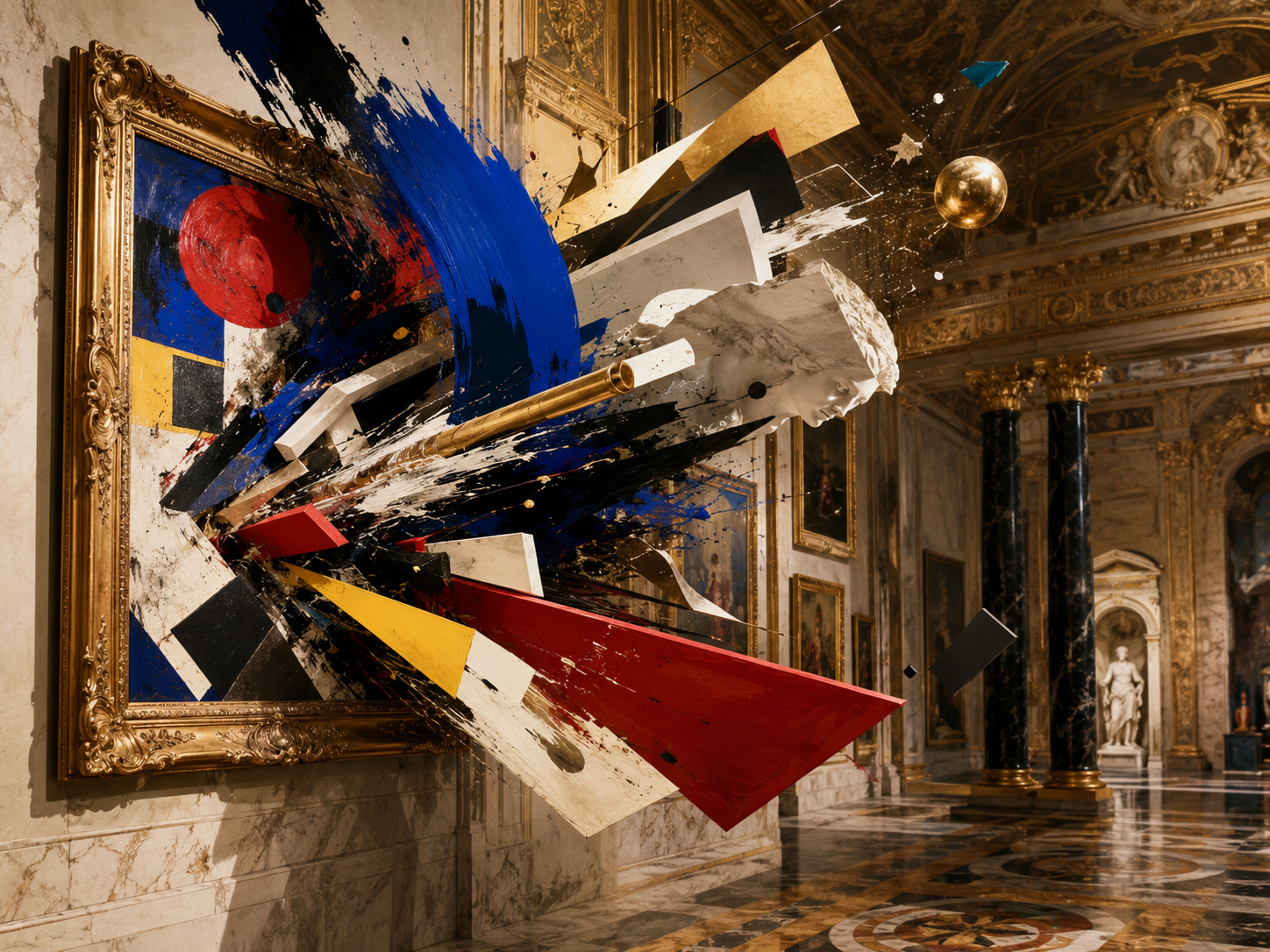
Cubism: one object, many viewpoints
Cubism treats vision like a problem to solve. Instead of one stable viewpoint, it fractures objects into planes, angles, and overlapping forms. It is not confusion for its own sake. It is a new way of showing time, touch, and perception.
Surrealism: the dream moves in
Surrealism opens the door to the unconscious. Clocks behave badly. Rooms stretch. Animals become messengers. Ordinary objects become suspicious. It is art history’s official permission slip for the dream corridor.
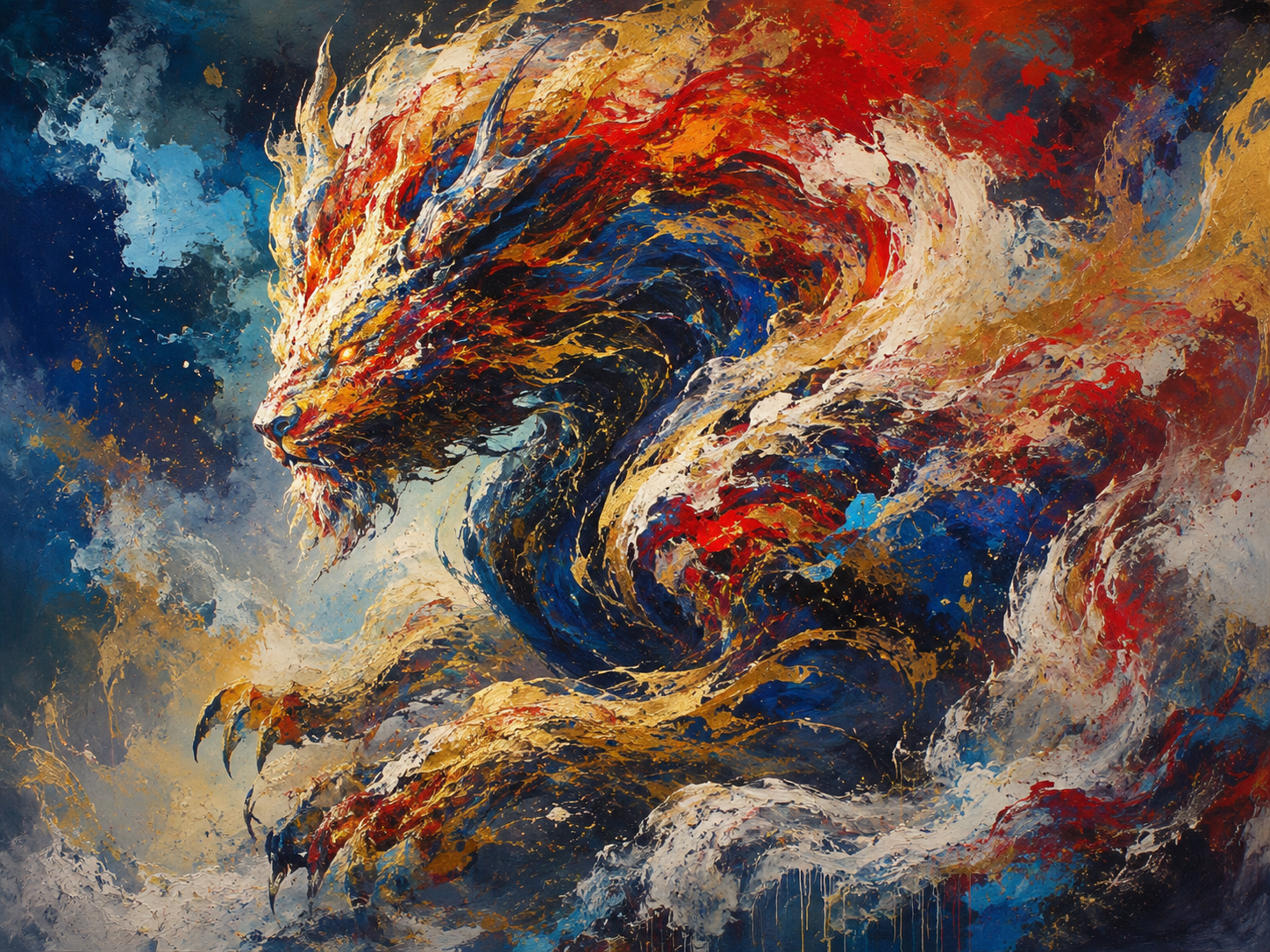
Abstract art: color becomes the creature
Abstract art lets color, shape, line, rhythm, and space carry the meaning. It may still come from the real world, but it no longer has to look like the real world. The viewer stops asking “What is it?” and starts asking “What is it doing?”
FineArtDaily cheat sheet
| Movement | Memory hook | Look for |
|---|---|---|
| Renaissance | The room gets measured | Perspective, balance, anatomy |
| Baroque | The spotlight hits | Drama, diagonals, shadow |
| Rococo | The room becomes dessert | Pastels, curves, ornament |
| Neoclassicism | Marble makes a moral speech | Clear lines, antique themes, virtue |
| Romanticism | Feelings climb the mountain | Storms, ruins, awe, the sublime |
| Realism | Ordinary life tells the truth | Workers, social reality, plain dignity |
| Impressionism | Light changes everything | Loose brushwork, atmosphere, modern life |
| Post-Impressionism | Color gets emotional | Structure, symbolism, personal vision |
| Cubism | The object has many faces | Planes, angles, fractured viewpoints |
| Surrealism | The dream takes over | Impossible rooms, strange symbols |
| Abstract | Color becomes the creature | Line, shape, rhythm, sensation |
Now go look at famous paintings.
Movements are the weather. Paintings are the individual thunderstorms, gardens, rooms, jokes, prayers, and accidents.