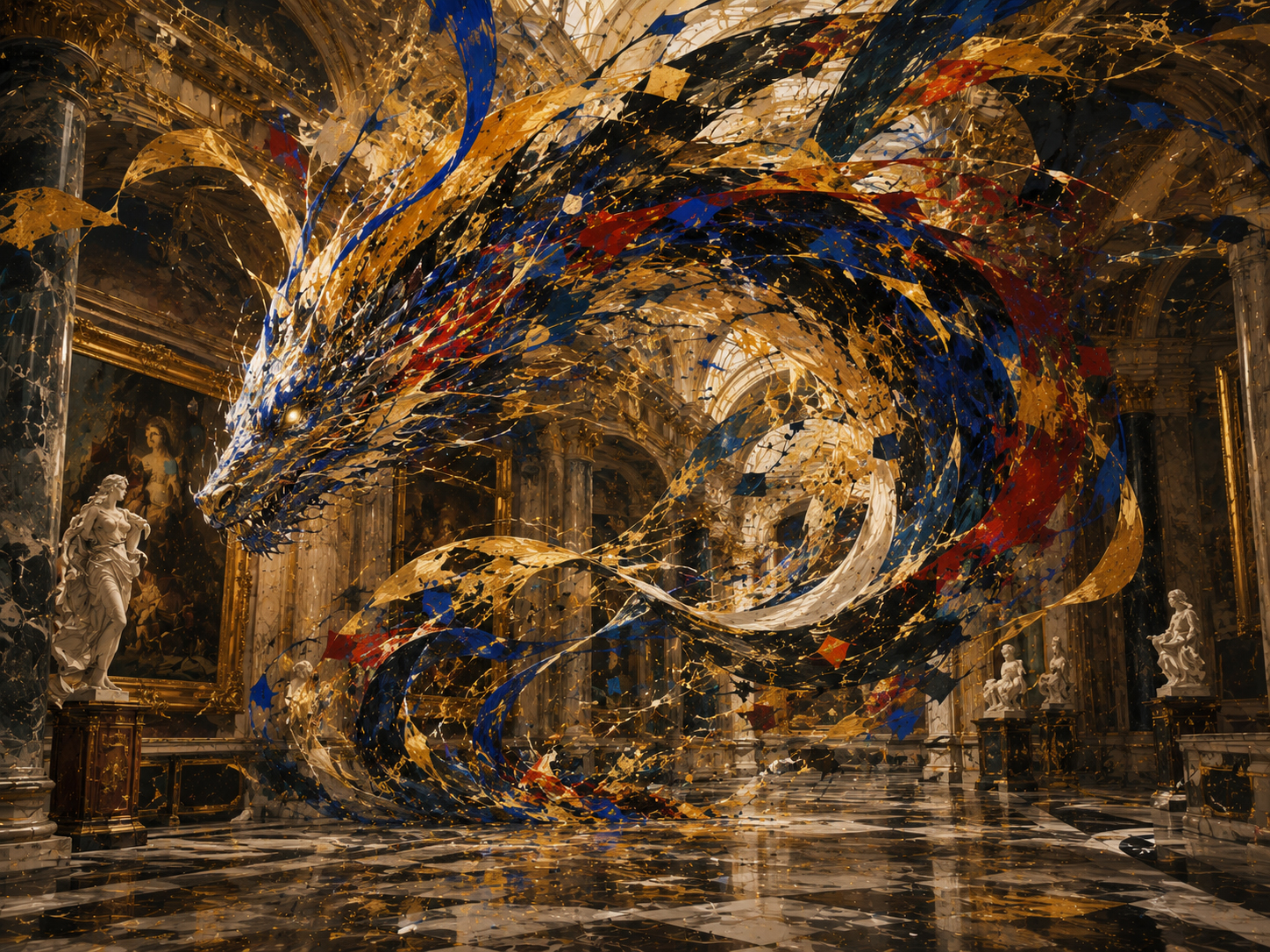
Character Summary
Who is the Abstract Dragon?
The Abstract Dragon is FineArtDaily’s guide to art that stops pretending the world must be copied literally. It arrives when viewers panic because a painting has no obvious person, table, apple, horse, saint, landscape, or polite little vase.
The dragon’s job is not to make abstract art easy. Its job is to make abstract art lookable. It teaches visitors to notice energy, balance, color, movement, contrast, texture, and emotional weather before demanding a label.
Its job in the museum
The Abstract Dragon protects paintings from the worst museum sentence: “I could do that.” It answers with a wingbeat, a color explosion, and a reminder that simplicity can be brutally hard.
It breaks the rectangle.
The dragon treats the frame as a stage, a cage, a battlefield, and occasionally a snack.
It reads color as emotion.
Red can shout. Blue can sink. Yellow can flash. Black can hold the whole room together.
It listens for rhythm.
Repeated marks, tilted shapes, and visual beats can move like music across a canvas.
It honors the unknown.
Abstract art does not always solve itself. Sometimes the mystery is the point of the visit.
The Abstract Dragon lesson
When an abstract painting feels confusing, stop hunting for the “thing.” Ask better questions. Where is the tension? Which color dominates? What shape repeats? Is the composition calm, violent, playful, lonely, balanced, or exploding?
Abstract art is not a missing picture. It is a different kind of picture.
Its favorite tools
- Shape: circles, blocks, curves, shards, grids, and invented forms.
- Color: emotional temperature, contrast, harmony, and collision.
- Rhythm: repeated marks that make the eye move.
- Scale: tiny gestures, giant fields, and theatrical emptiness.
- Texture: smooth, rough, scraped, layered, stained, or aggressively alive.
Where it appears
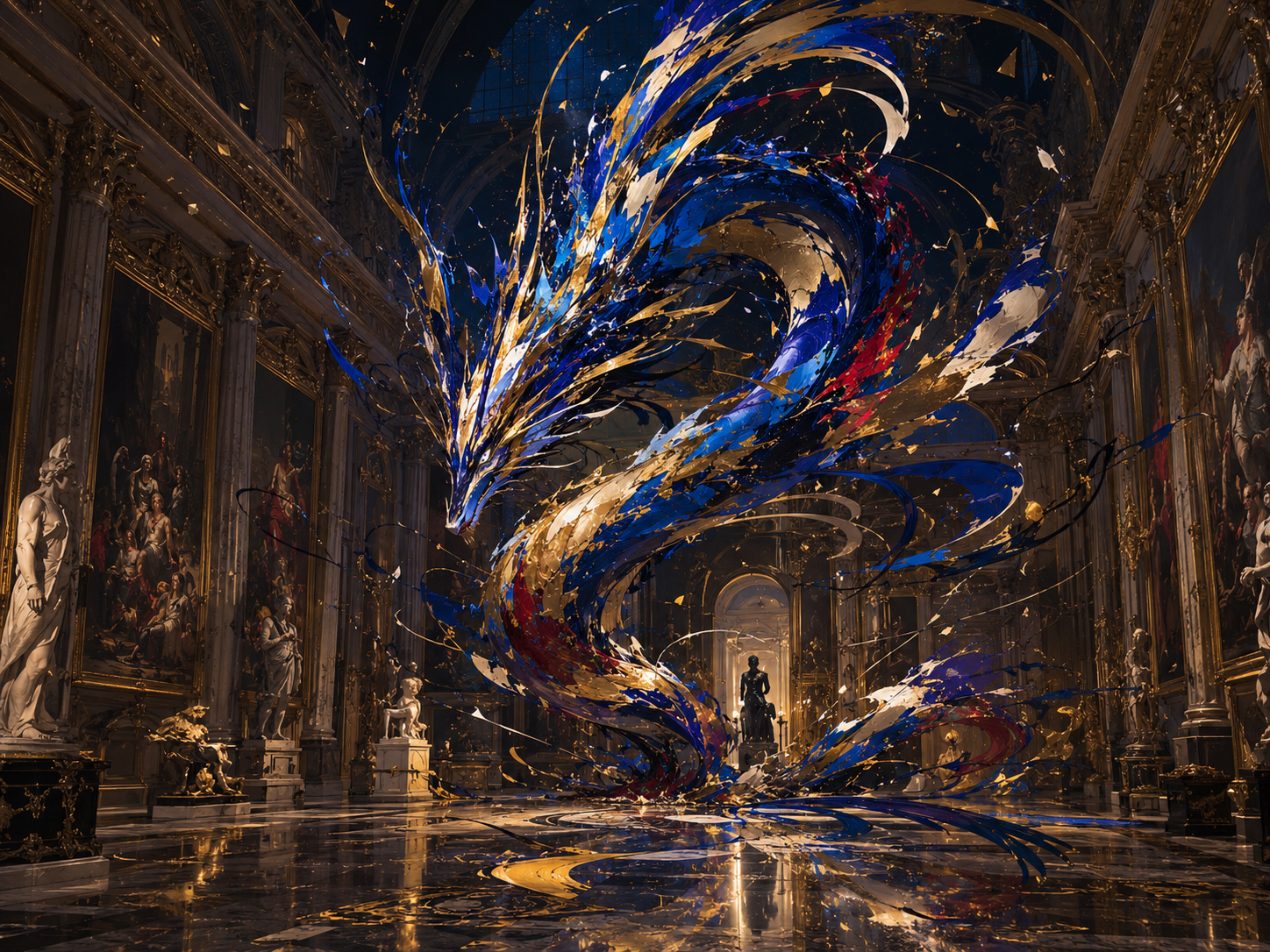
Episode 6: The Abstract Dragon Arrives
The gallery loses its realism license and learns that color can be a main character.
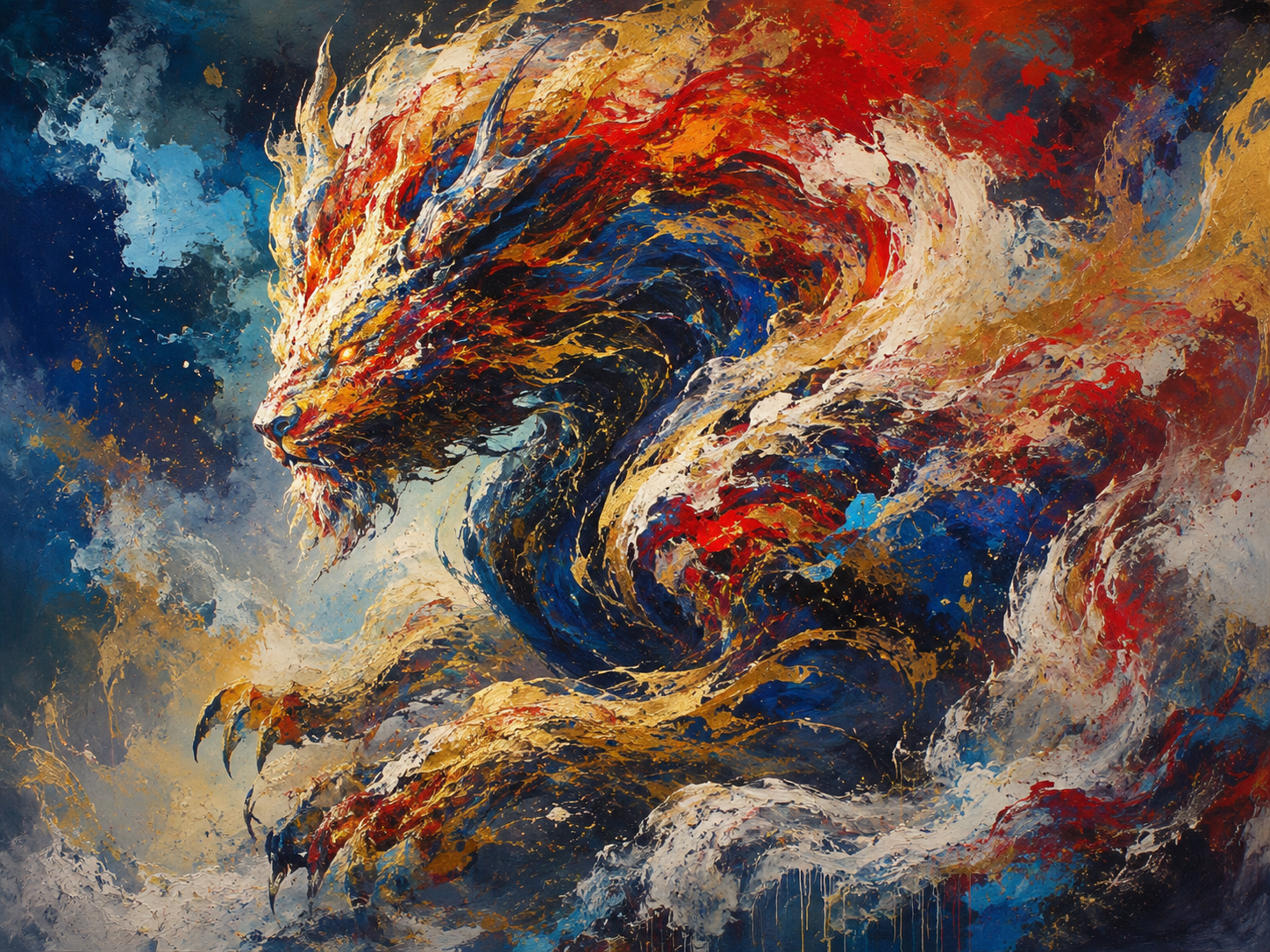
Abstract Art
A practical guide to reading abstraction through shape, color, texture, scale, and feeling.
Allies and rivals
The Abstract Dragon works beautifully with the Palette Goblin, who causes color trouble, and Cubist Fox, who breaks objects into angles. It frequently annoys Curator Cat by leaving emotional scorch marks on perfectly arranged wall labels.
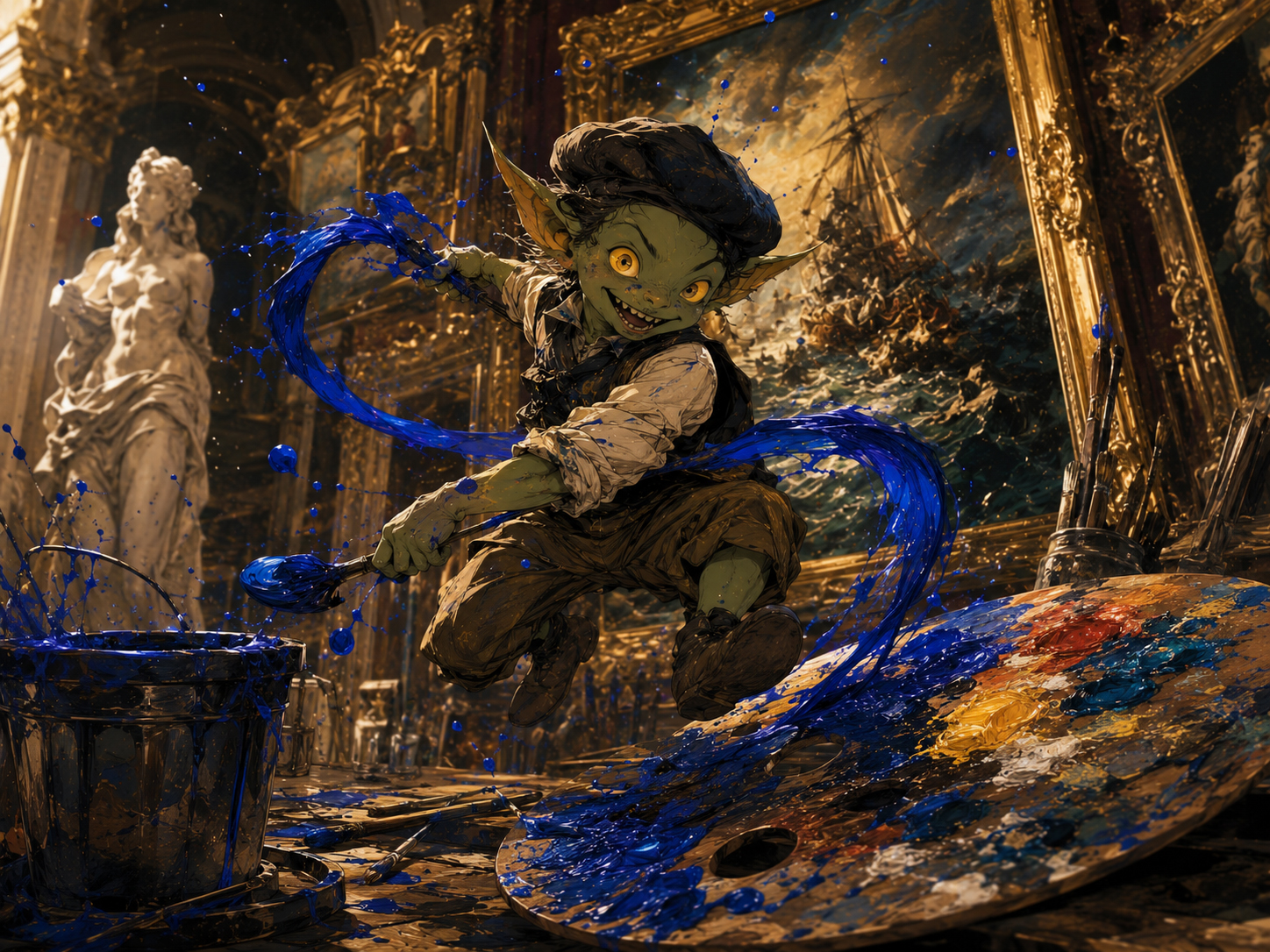
Palette Goblin
Color thief. Chaos assistant. Dangerous near blue.
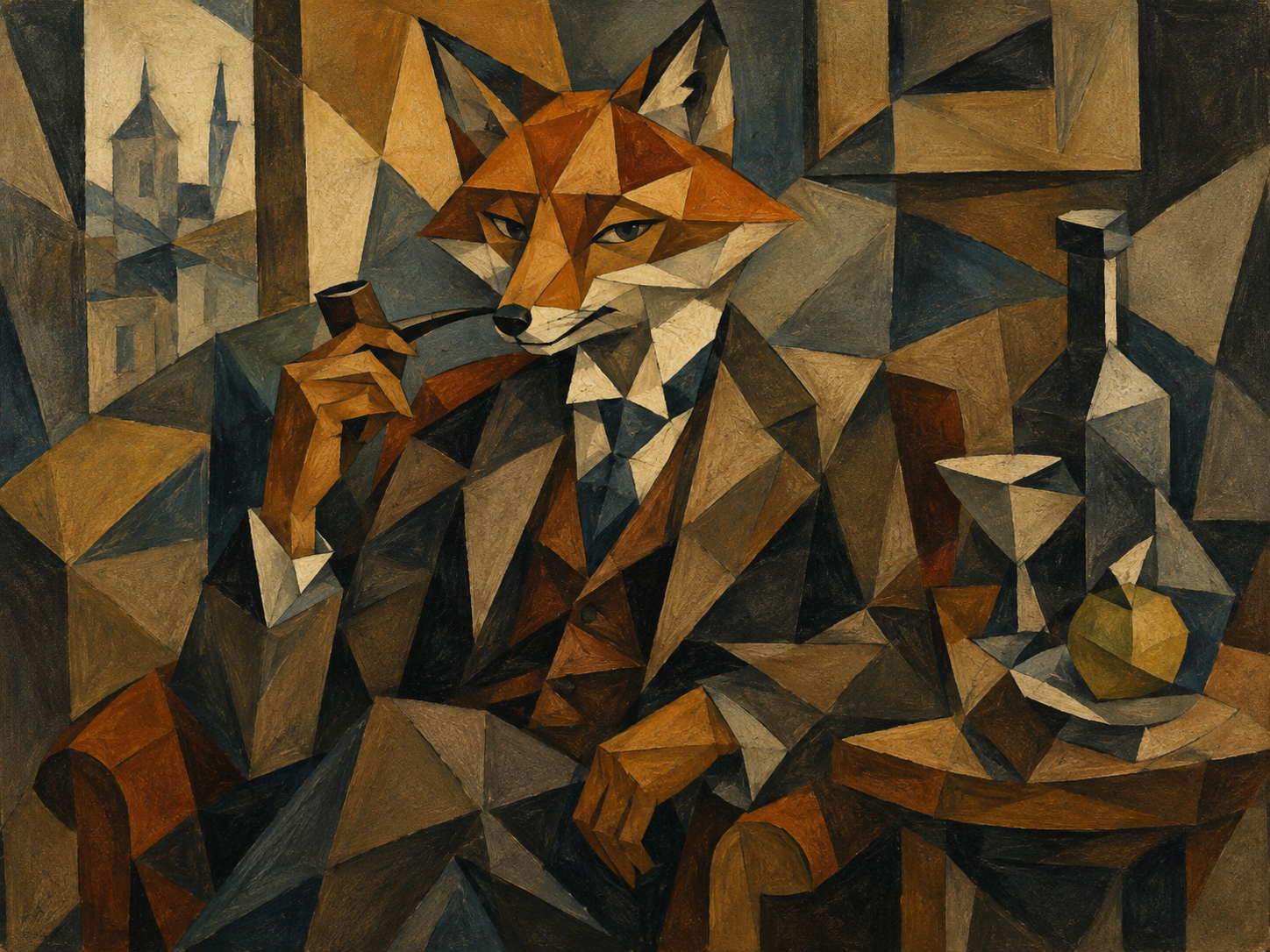
Cubist Fox
Sees every object from five directions at once.
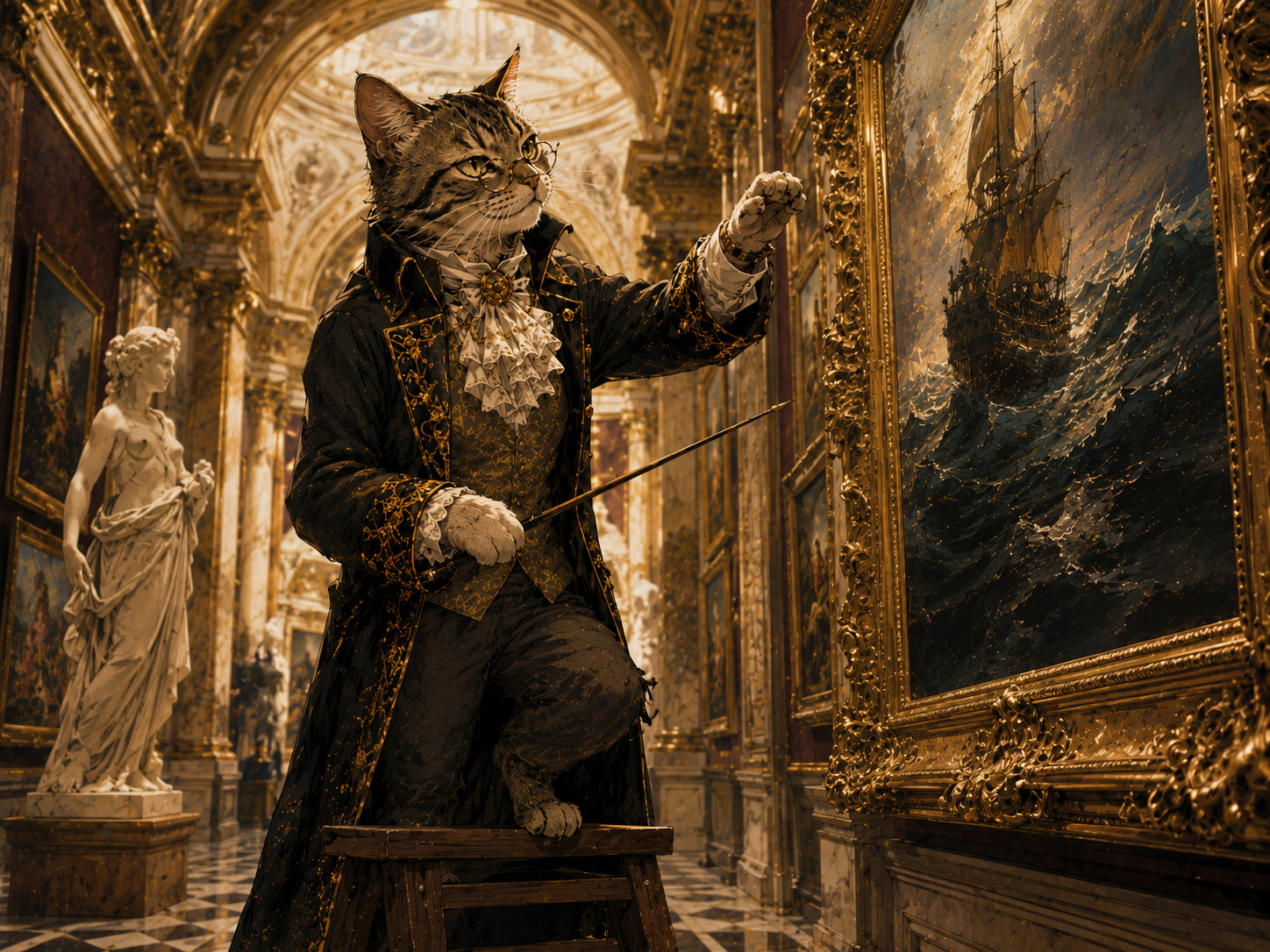
Curator Cat
Believes every dragon should respect hanging height.
Public-domain note
The Abstract Dragon is an original FineArtDaily character inspired by the broad history of modern and abstract art. The page uses original editorial illustration rather than copying protected modern artworks. When the site discusses direct reproductions, museum image permissions should be checked before publishing.
Next stop: color theory
The dragon makes color roar. The Palette Goblin explains why it works.