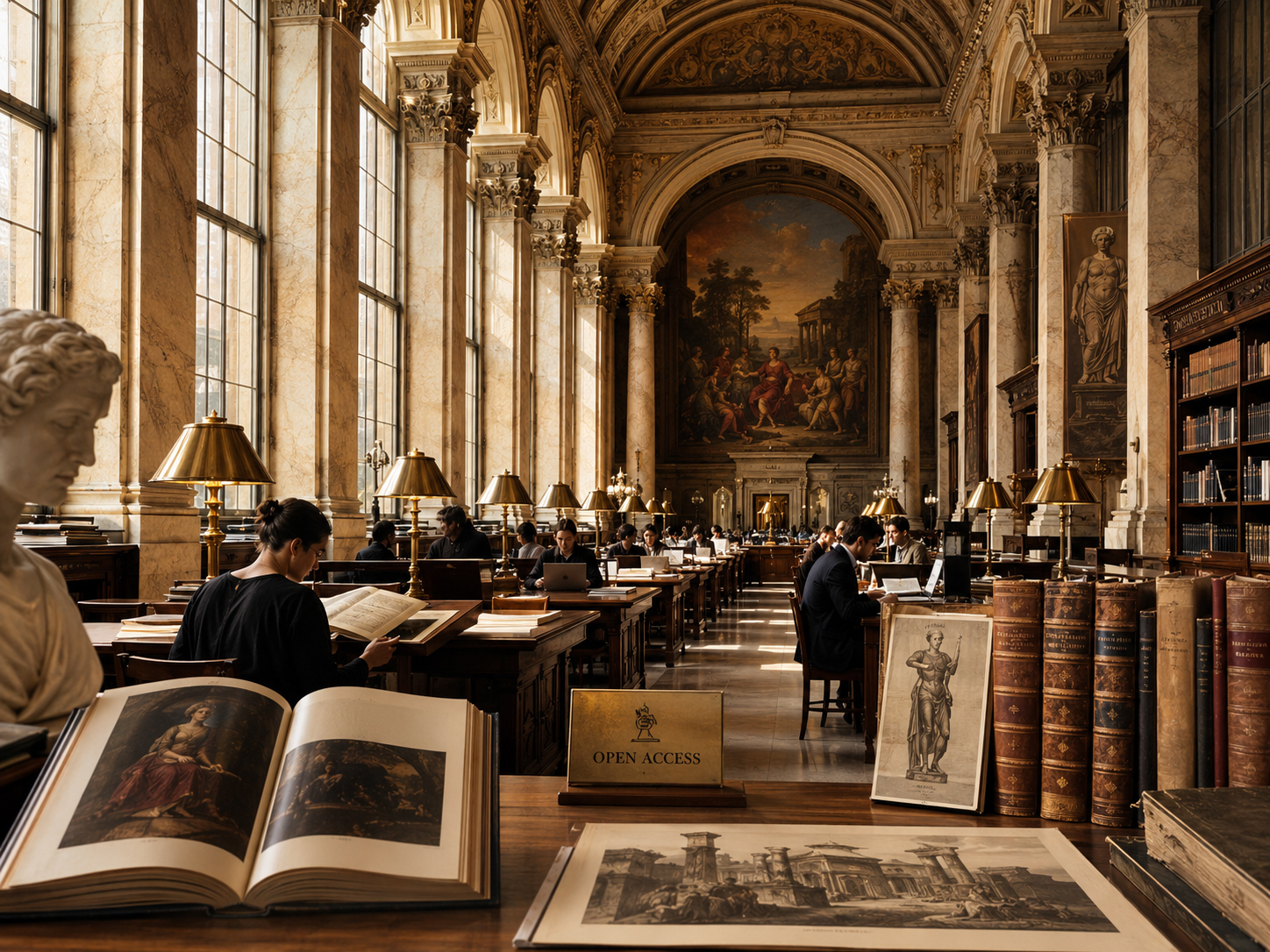
Source philosophy
FineArtDaily is source-aware art fun.
FineArtDaily.com is playful, but it is not trying to fake scholarship. The goal is simple: explain art history clearly, use credible references, avoid pretending, and separate public-domain culture from modern copyright confusion.
Most FineArtDaily images are original manga-style editorial illustrations inspired by art history. When a page discusses a famous work, the writing should be grounded in reliable museum, library, academic, or open-access references whenever possible.
Core open-access museums and collections
These institutions are useful starting points for public-domain art history, object records, artist biographies, collection notes, and image-use guidance. Always check the specific object page before using a direct reproduction.
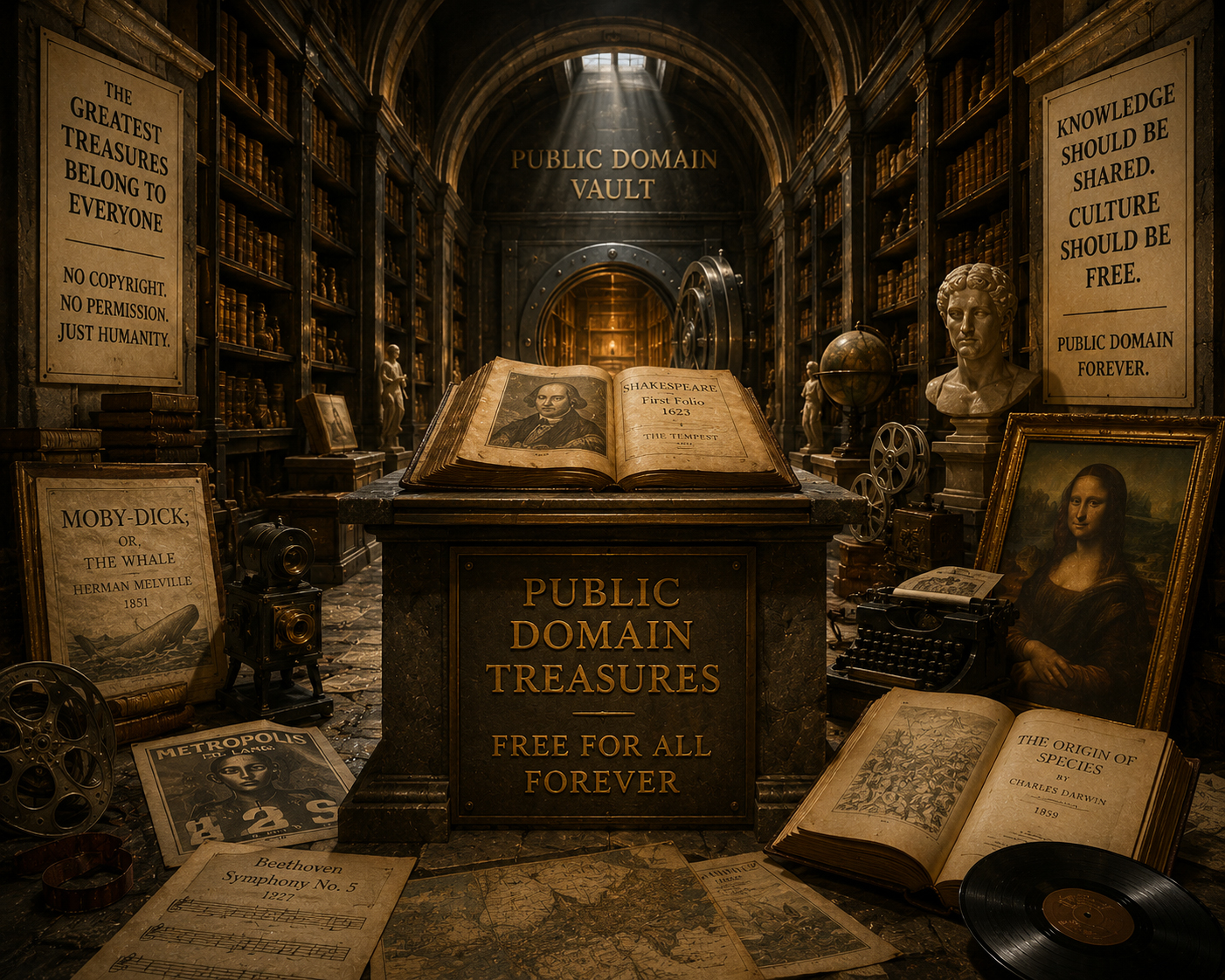
The Metropolitan Museum of Art
Object records, essays, timelines, and open-access collection material for thousands of works.
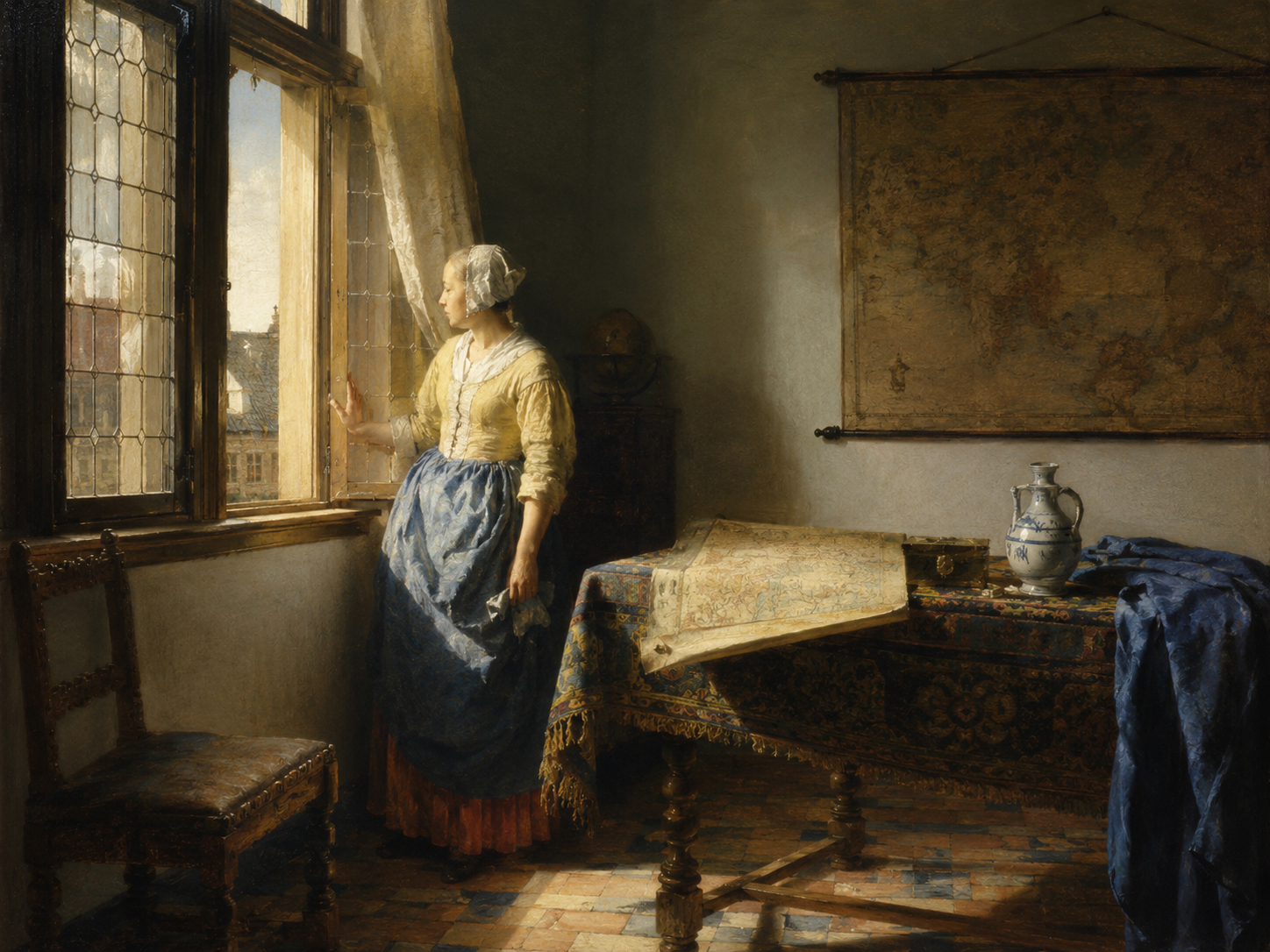
Rijksmuseum / Rijksstudio
Excellent Dutch art records, high-quality collection images, and object information.
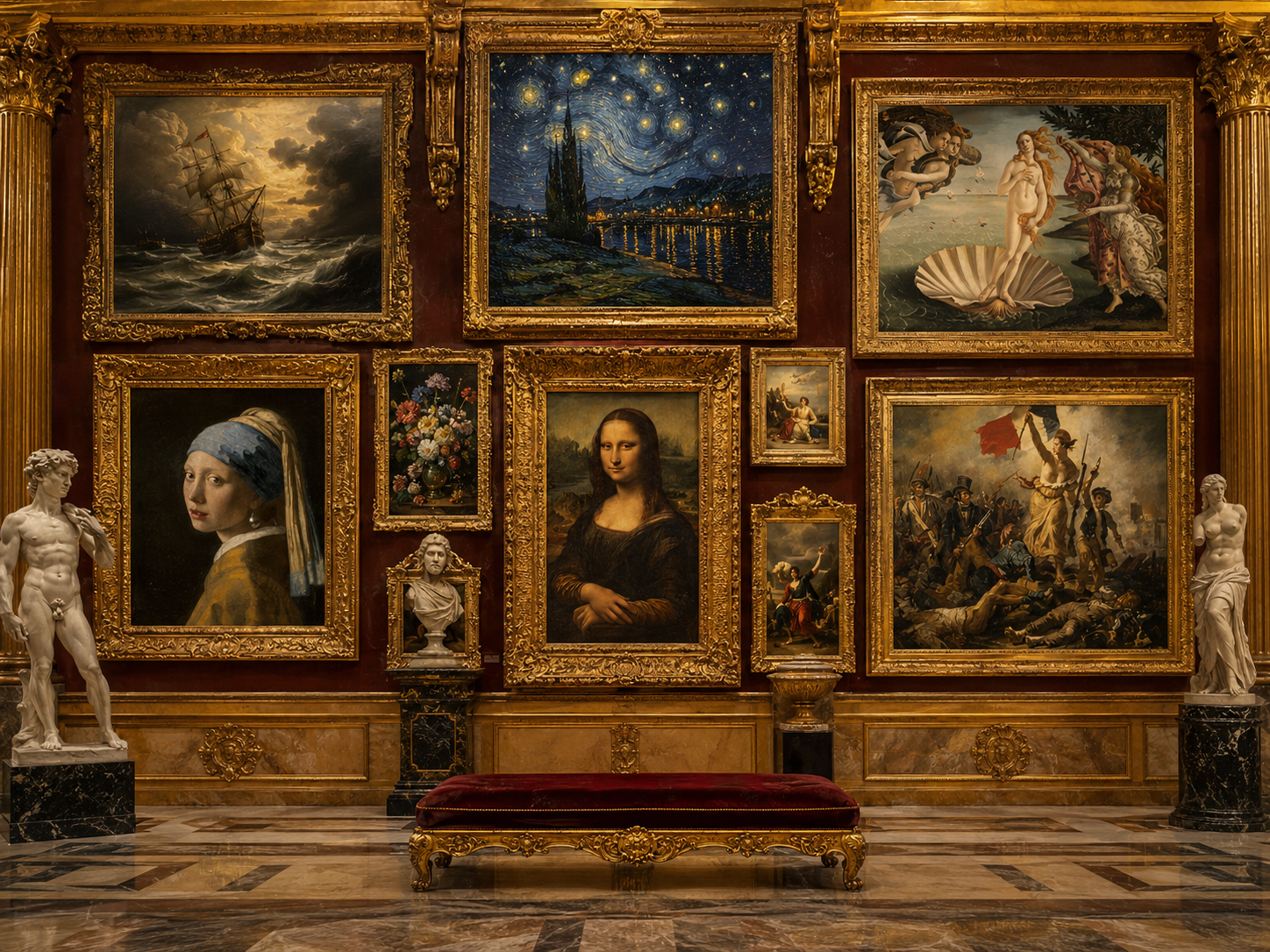
National Gallery of Art
Open-access images, artwork pages, artist notes, and collection information.
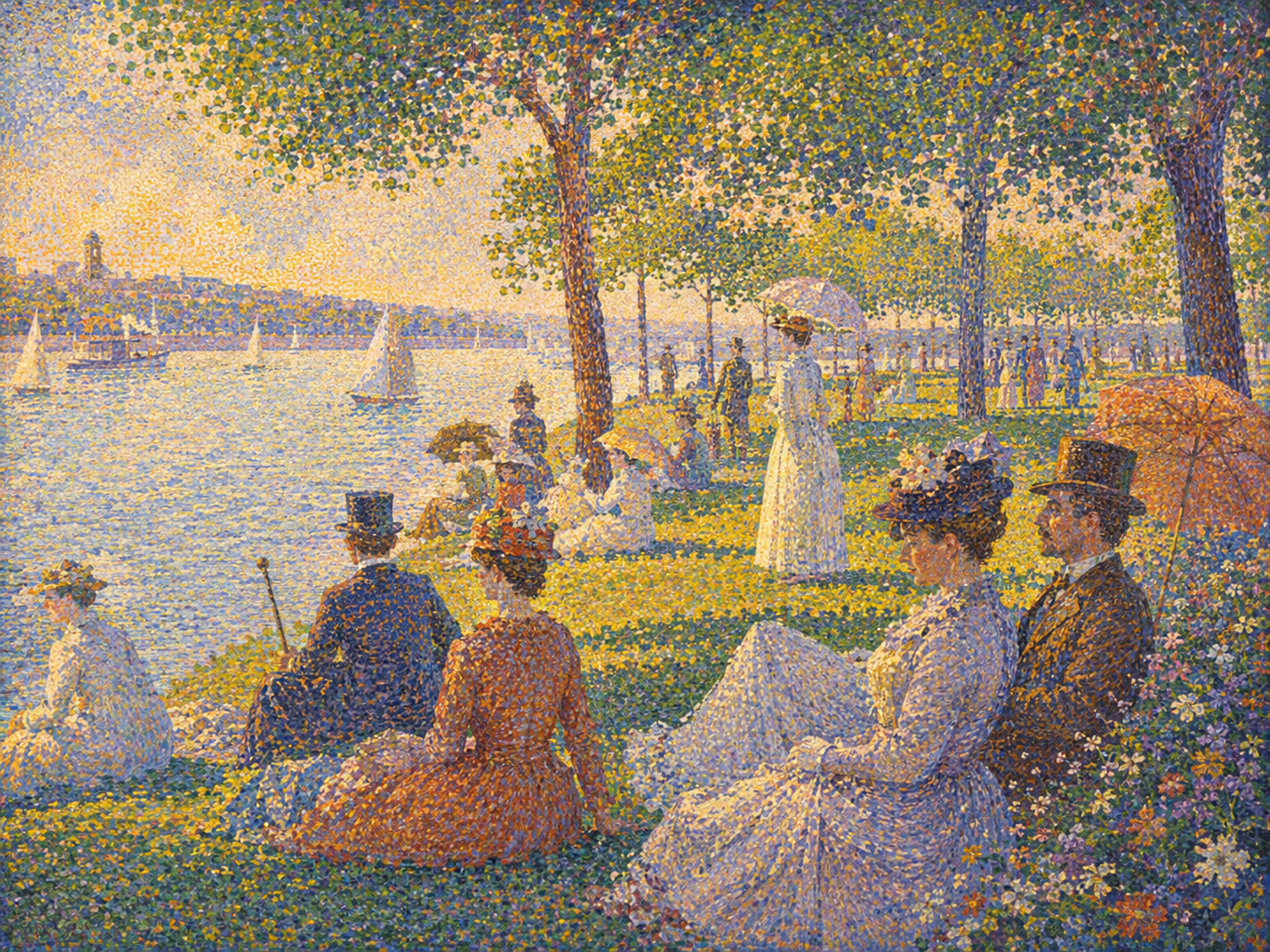
Art Institute of Chicago
Open-access collection records, image guidance, and rich object pages for many masterpieces.
Reference types we like
FineArtDaily pages should lean on sources that are stable, inspectable, and useful to readers. A good source does not need to be boring. It does need to be credible.
Museum object pages
Best for artist, title, date, medium, dimensions, provenance notes, accession numbers, and museum interpretation.
Museum essays
Best for art movements, periods, historical context, technique, patronage, and iconography.
Library archives
Best for older books, public-domain scans, letters, catalogues, prints, and historical documents.
Academic publishers
Useful for deeper context, but FineArtDaily translates carefully instead of stuffing pages with jargon.
Conservation departments
Best for X-rays, underdrawings, pigment notes, varnish cleaning, restoration ethics, and hidden layers.
Public-domain repositories
Useful for old images and scans, but the exact rights and credit language still need checking.
Image and public-domain policy
FineArtDaily prefers original editorial illustration for site art. The illustrations are inspired by art history, not presented as museum reproductions.
When using a direct image of a museum object, check the specific museum page. A painting may be public domain because of age, but a museum photograph, scan, page terms, or metadata policy can still require care. Public domain is powerful, but it is not a magic invisibility cloak.
- Use original FineArtDaily images for story pages and site design whenever possible.
- Use direct museum images only when the object page and institution policy allow the intended use.
- Do not assume every online art image is free to reuse.
- Credit institutions when appropriate, even when credit is not legally required.
- Do not use living artists’ works without permission or a clear license.
Featured source areas by topic
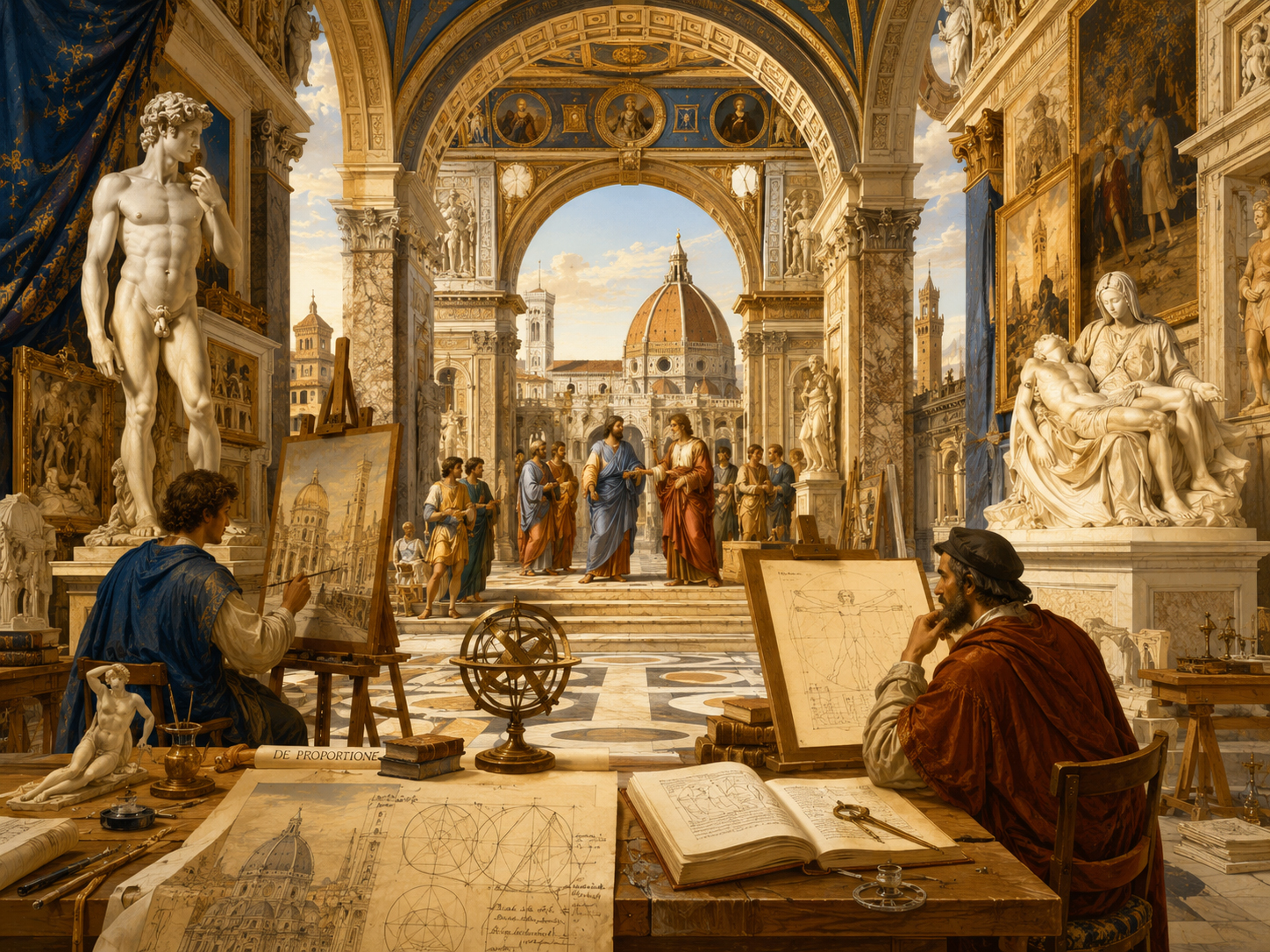
Renaissance
Perspective, humanism, workshops, patrons, classical revival, Florence, Rome, and devotional art.
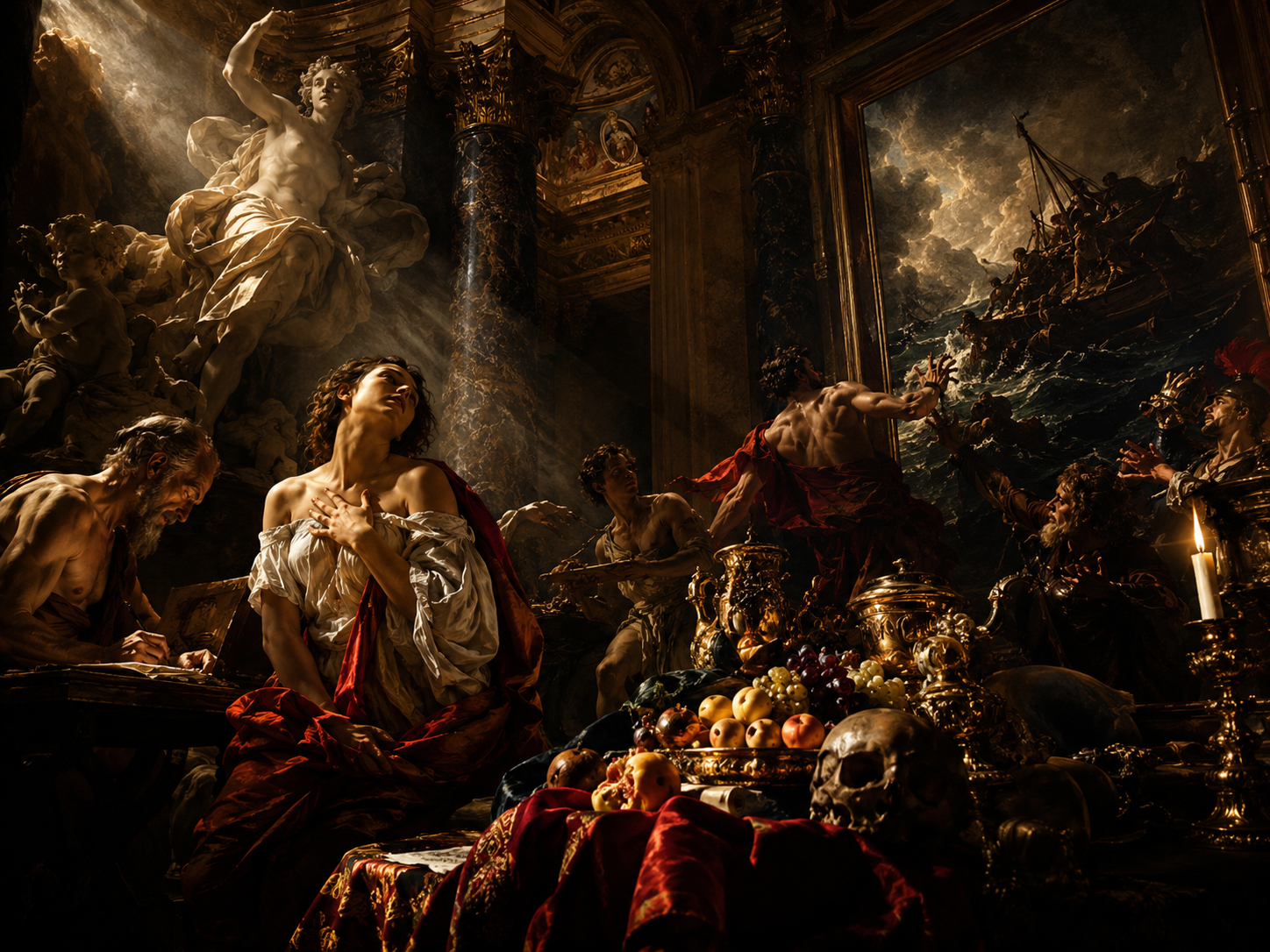
Baroque
Chiaroscuro, motion, theatrical space, religious drama, still life, and power on canvas.
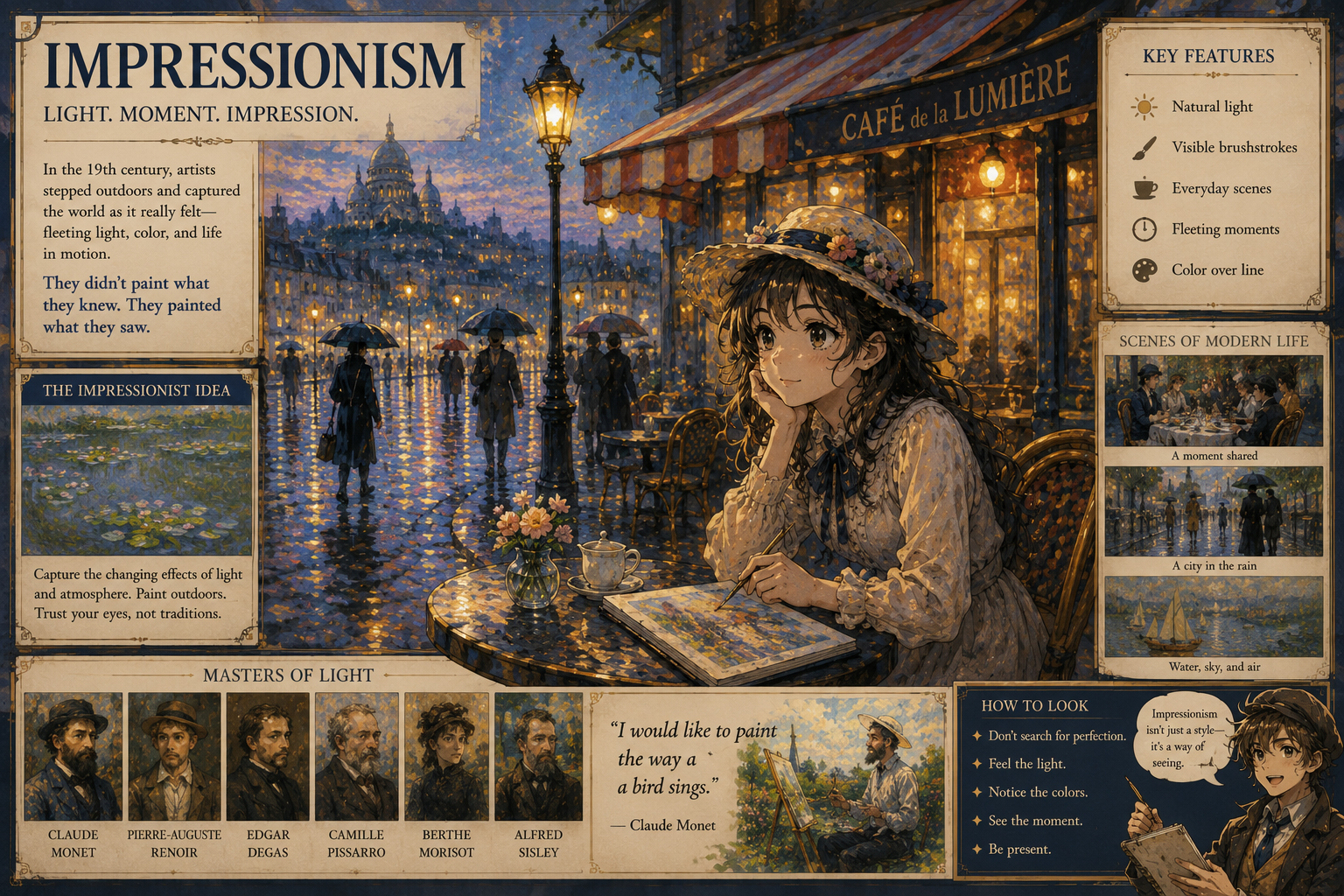
Impressionism
Modern life, outdoor light, broken brushwork, cafés, rain, gardens, dancers, and city leisure.
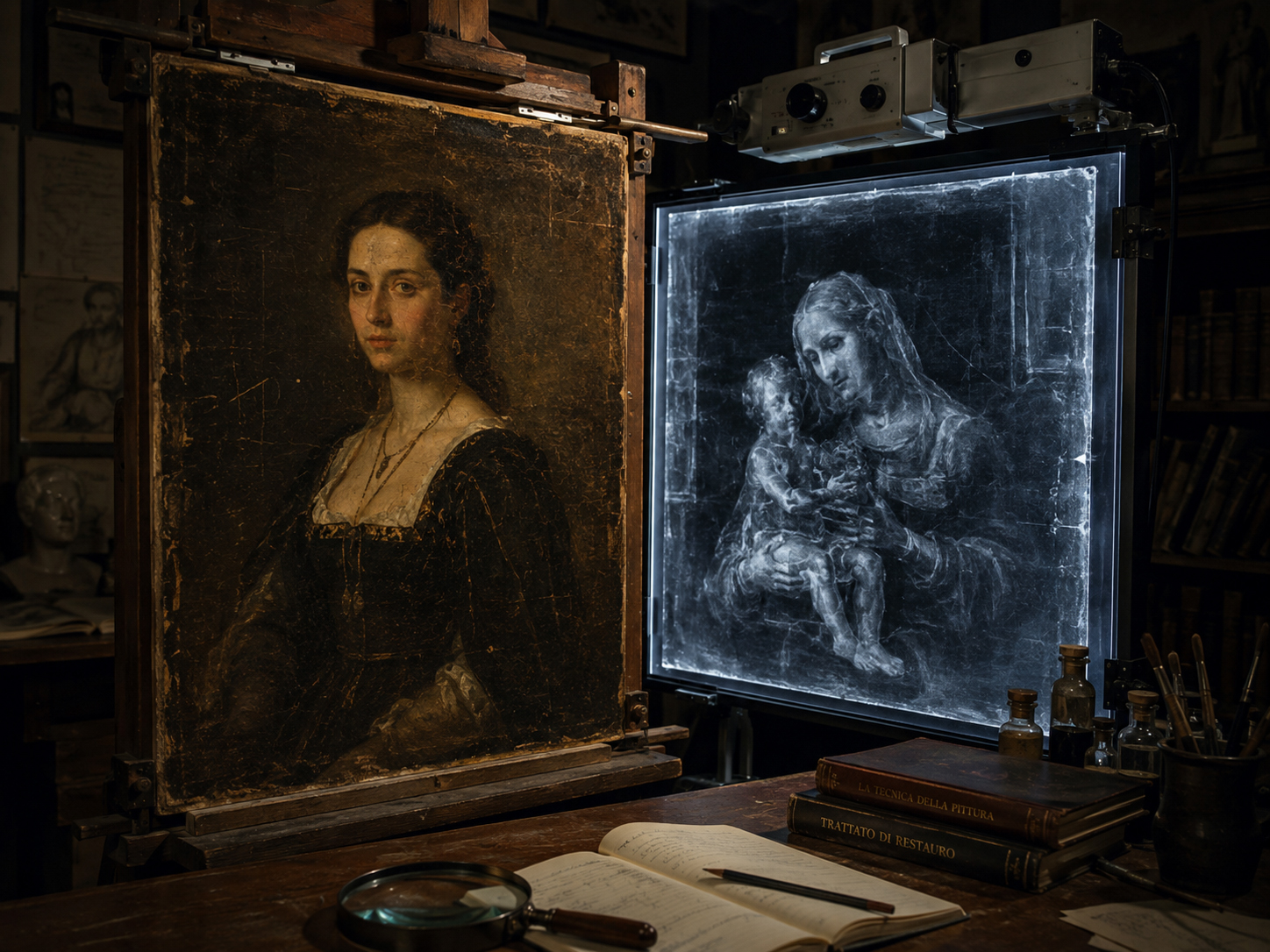
Conservation
X-rays, infrared, underdrawings, pentimenti, varnish, cleaning tests, and restoration choices.
Corrections and updates
Art history contains debate, revised attributions, changing museum language, and newly discovered technical information. FineArtDaily should be corrected when better evidence appears.
To suggest a correction, send the page title, the sentence in question, and a reliable source link. Clear corrections are welcome. Vague yelling in the museum lobby will be handed to Curator Cat.