FineArtDaily field guide
What makes Baroque art feel Baroque?
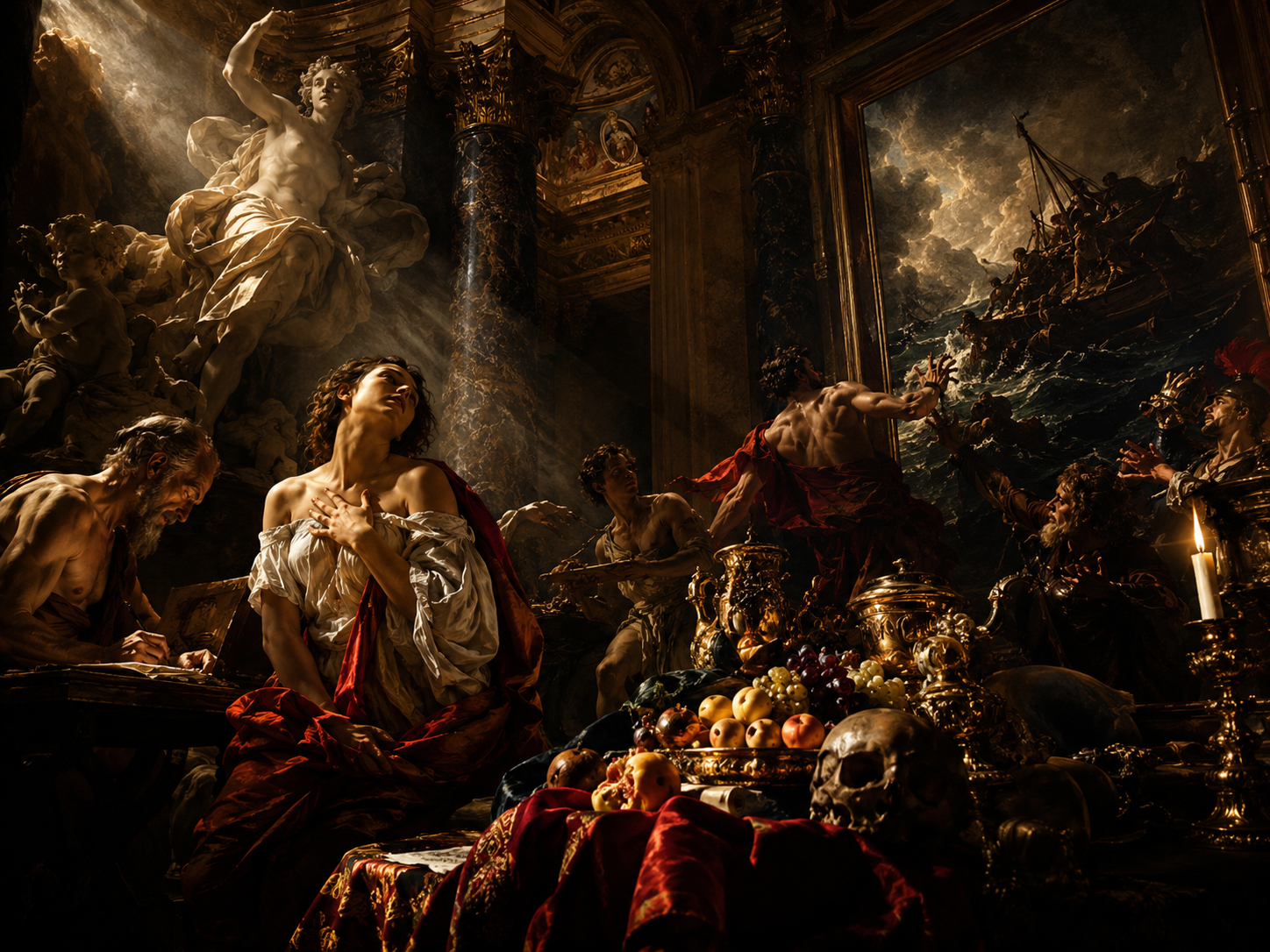
Baroque art wants you to feel the moment before you fully understand it. It loves diagonals, glowing faces, deep shadows, billowing fabric, crowded action, spiritual intensity, and scenes that look like they were staged five seconds after someone shouted, “Lights!”
1. Shadow becomes a character
Baroque artists use darkness as more than background. Shadow hides, reveals, frames, threatens, and focuses the eye. A face emerging from darkness feels urgent because the painting is controlling what you are allowed to see.
This dramatic light-and-dark effect is often called chiaroscuro. FineArtDaily translation: the painting owns the flashlight.
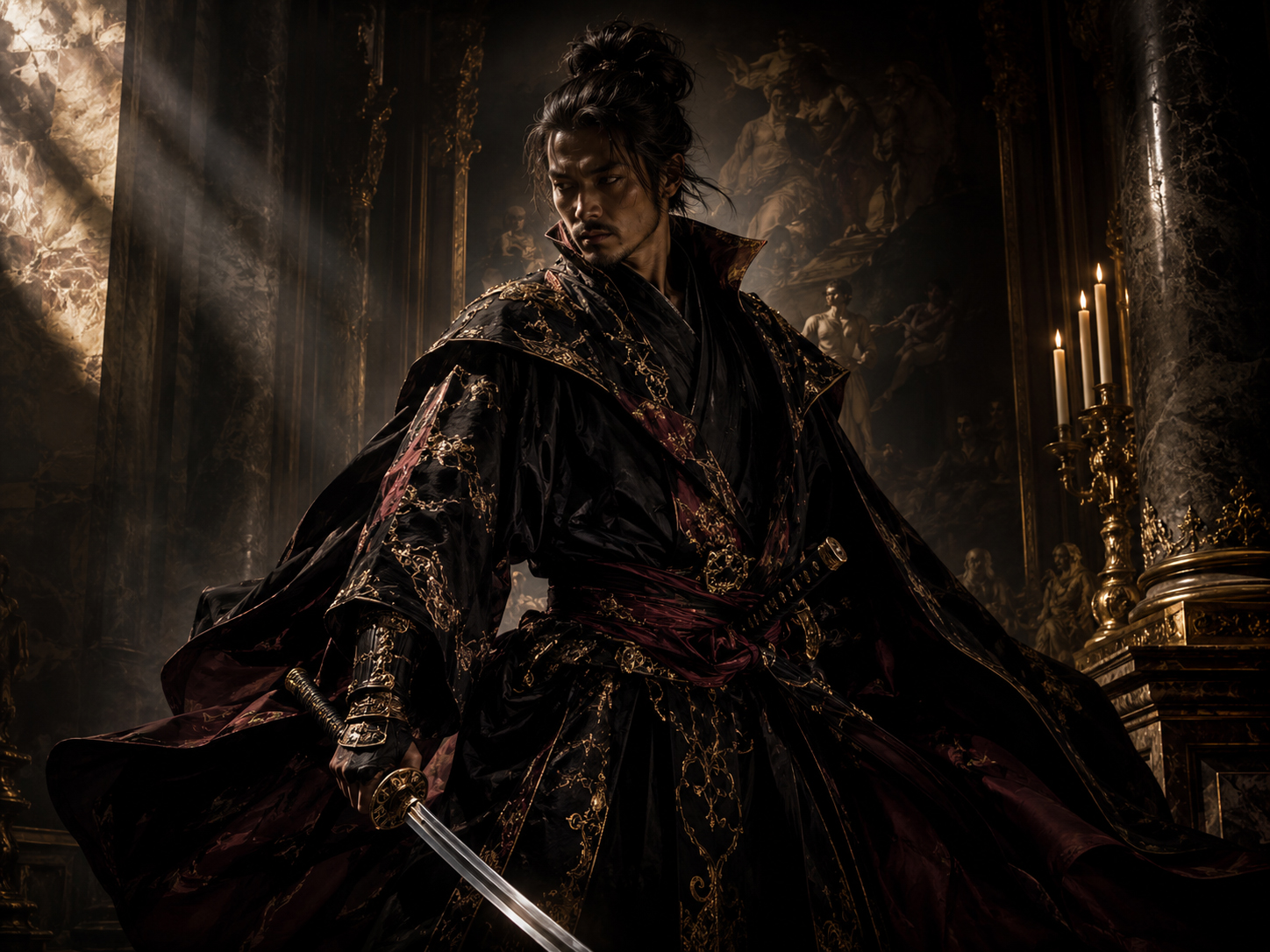
Baroque Shadow Samurai
The house champion of hard light, deep darkness, and dramatic entrances.
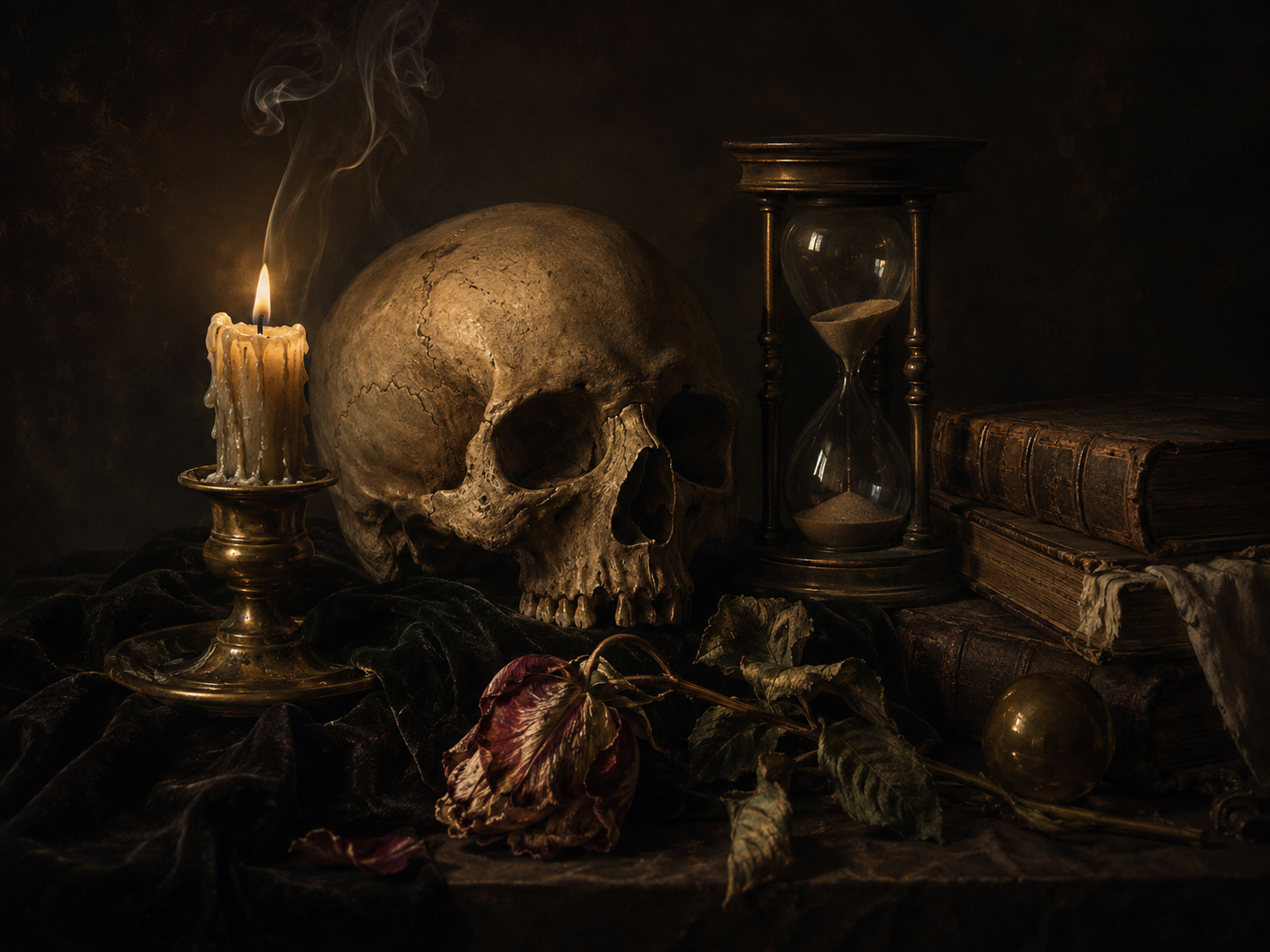
Candlelight philosophy
Baroque still lifes can turn fruit, skulls, books, and candles into moral theater.
2. Everything moves
Baroque compositions rarely sit still. Figures twist. Arms point. Robes fly. Horses rear. Clouds swirl. Even architecture can feel like it is leaning into the scene. The eye travels through the painting as if following stage choreography.
Look for diagonals. Baroque drama often runs on slanted lines: swords, staircases, bodies, beams of light, raised hands, collapsing ships, and storm clouds.

Storm as stage
Sea, sky, and disaster become a moving emotional machine.
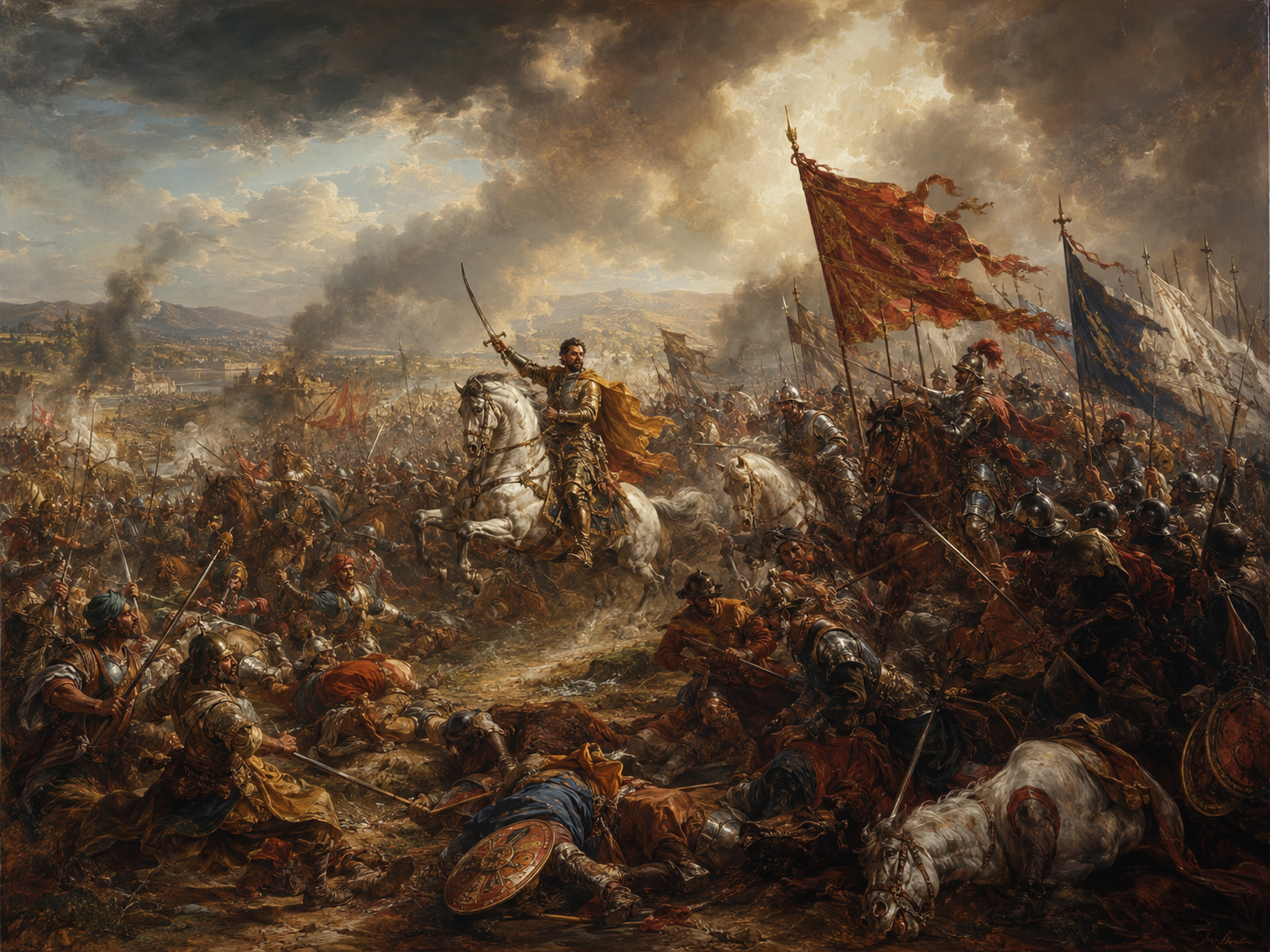
Battle chaos
Baroque action often uses smoke, diagonals, and crowds to make history feel alive.
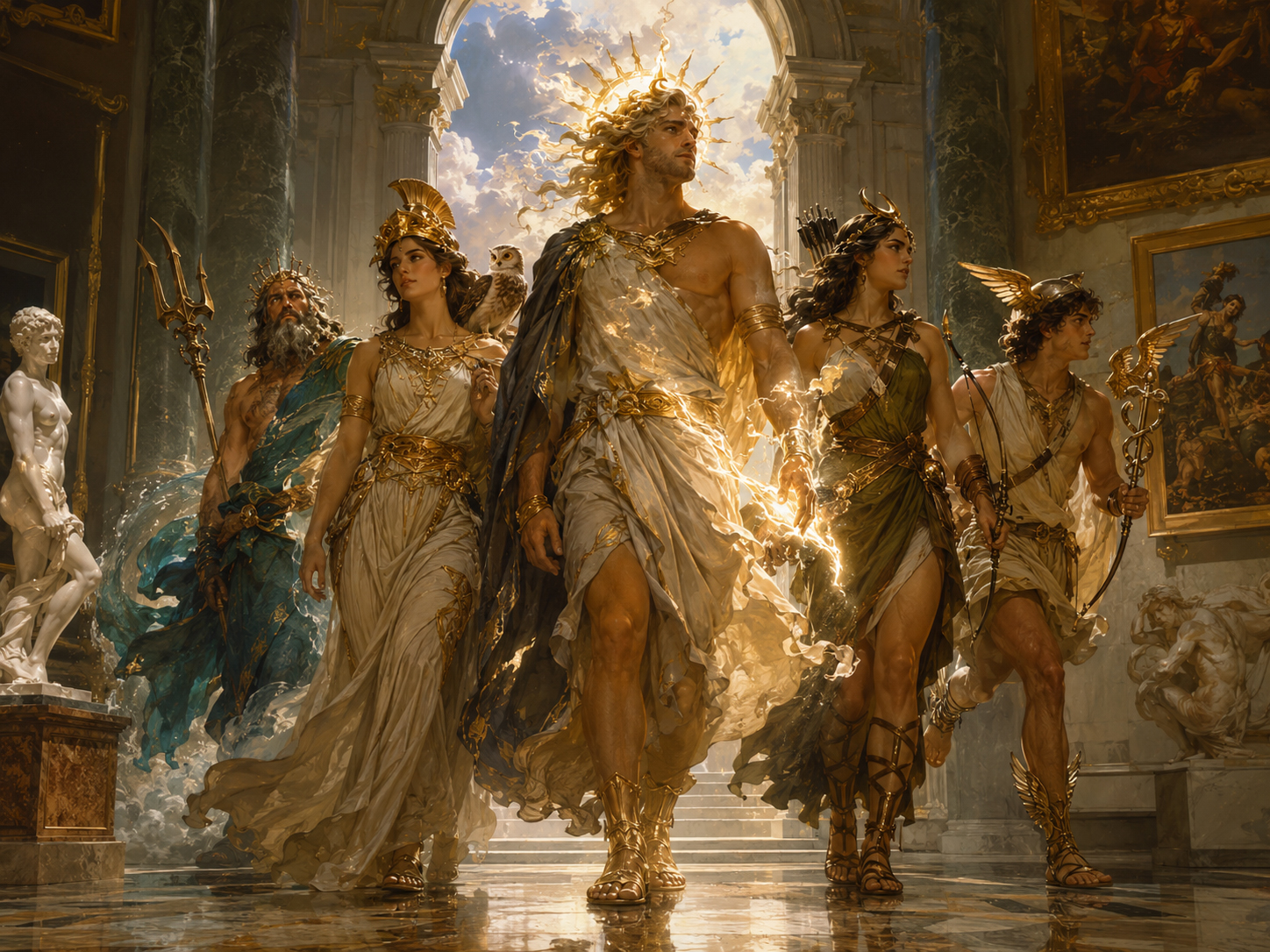
Myth enters loudly
Gods, heroes, saints, and allegories arrive with clouds, curtains, and attitude.
3. Emotion is not subtle
Baroque art often wants a direct emotional response: awe, fear, pity, devotion, triumph, suspense, grief, wonder. It is not embarrassed by intensity. It wants the viewer inside the event, not calmly outside it.
That is why Baroque faces and gestures can feel so immediate. Someone points. Someone gasps. Someone reaches toward heaven. Someone realizes the bill for the gold leaf has arrived.
4. Patrons wanted persuasion
Baroque art grew in a world of churches, courts, aristocrats, civic pride, religious conflict, and political theater. Paintings, sculptures, and buildings were not just decoration. They were arguments made with light, marble, color, and scale.
Churches used art to inspire devotion. Courts used art to project power. Collectors used art to display taste, money, education, and sometimes very dramatic ceilings.
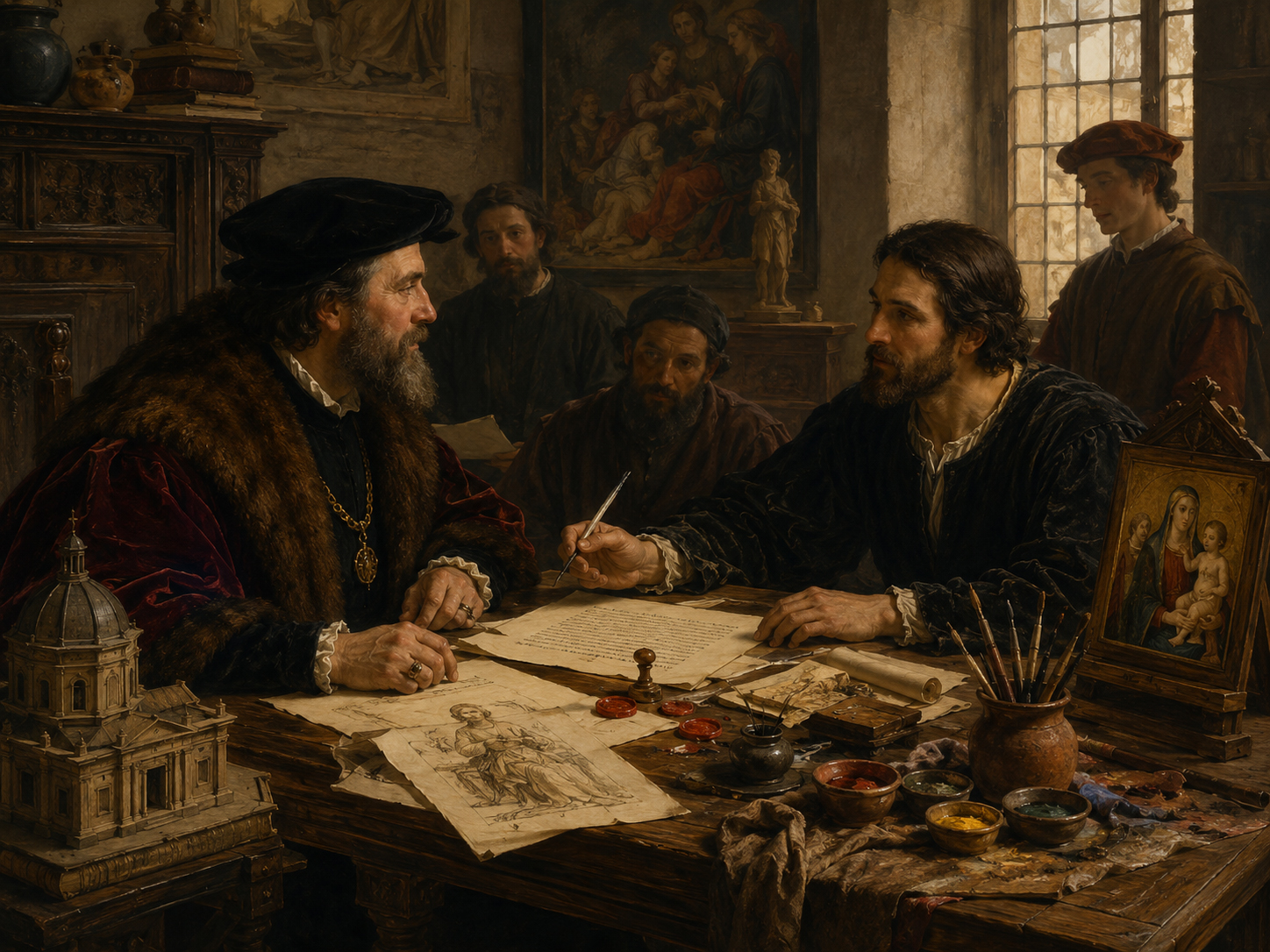
The commission table
Behind every miracle of paint, someone usually wanted terms, symbols, dates, and status.
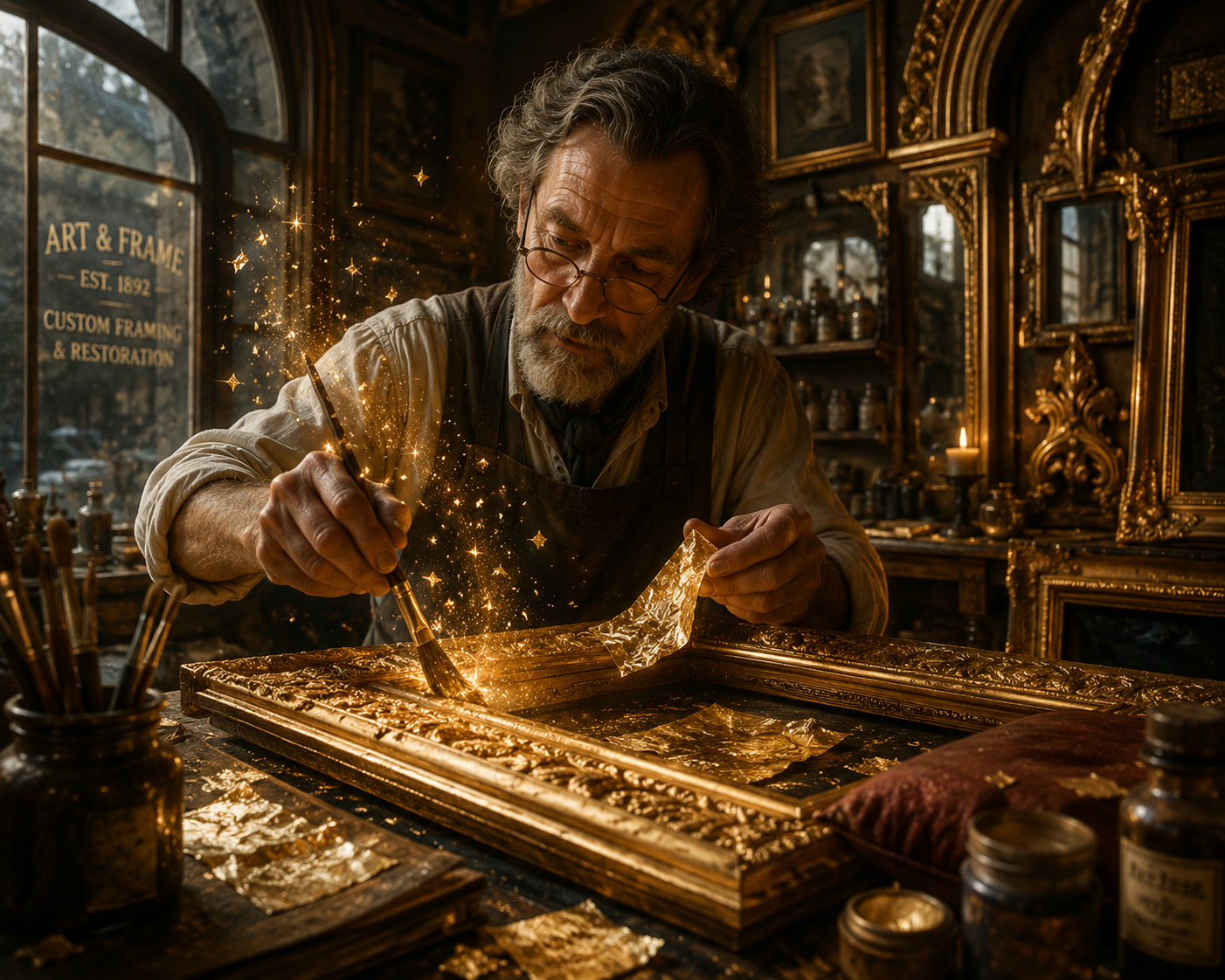
Gold leaf magic
Baroque display often includes frames, surfaces, interiors, and craft as part of the spectacle.
5. Even quiet objects get dramatic
Baroque still life can look luxurious at first: fruit, flowers, silver, shells, glass, books, candles. Then the moral machinery appears. Fruit decays. Flowers wilt. A candle burns down. A skull enters the chat. Beauty and time sit at the same table.
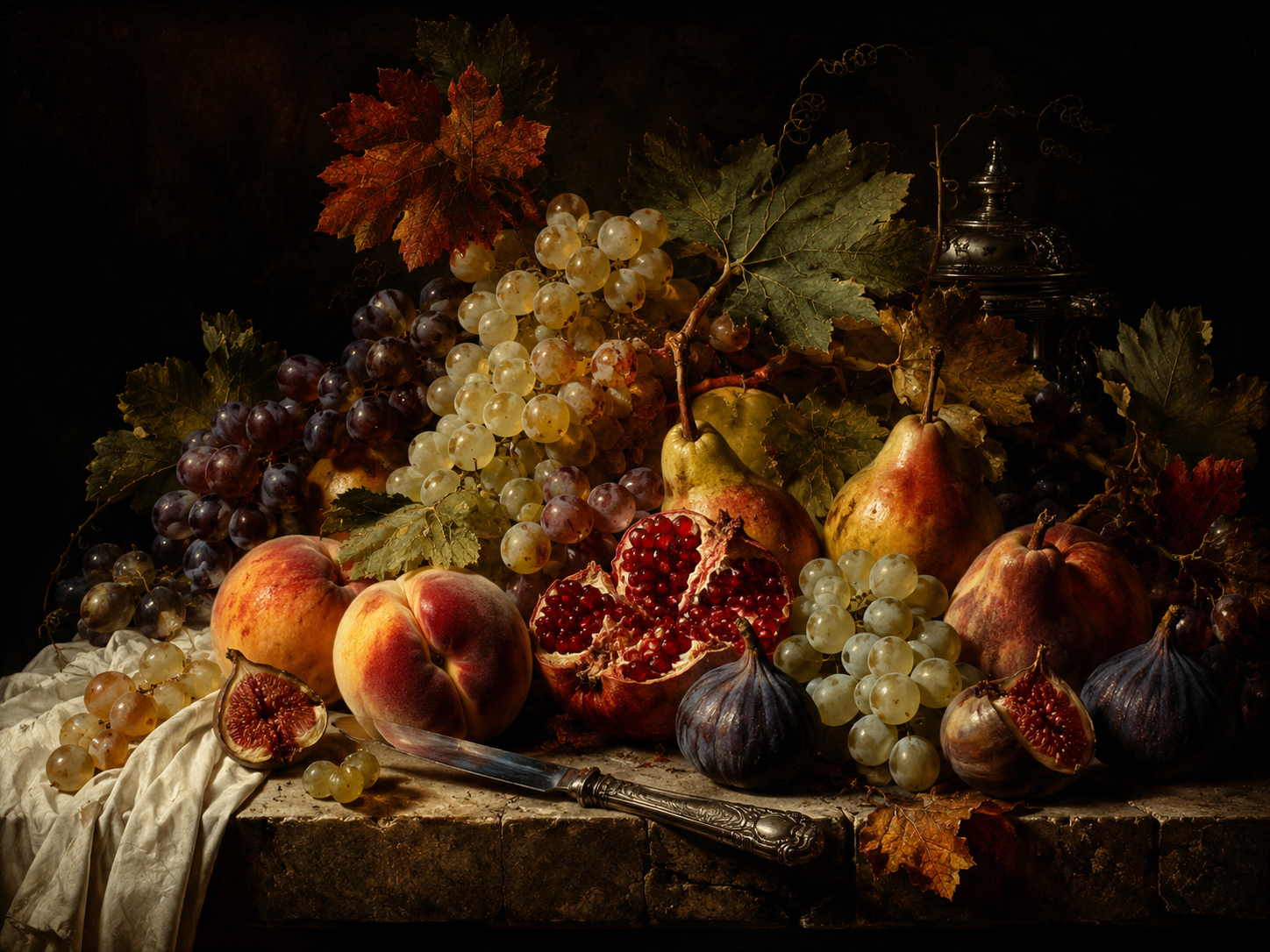
Fruit drama
Abundance, texture, ripeness, and the quiet threat of time.
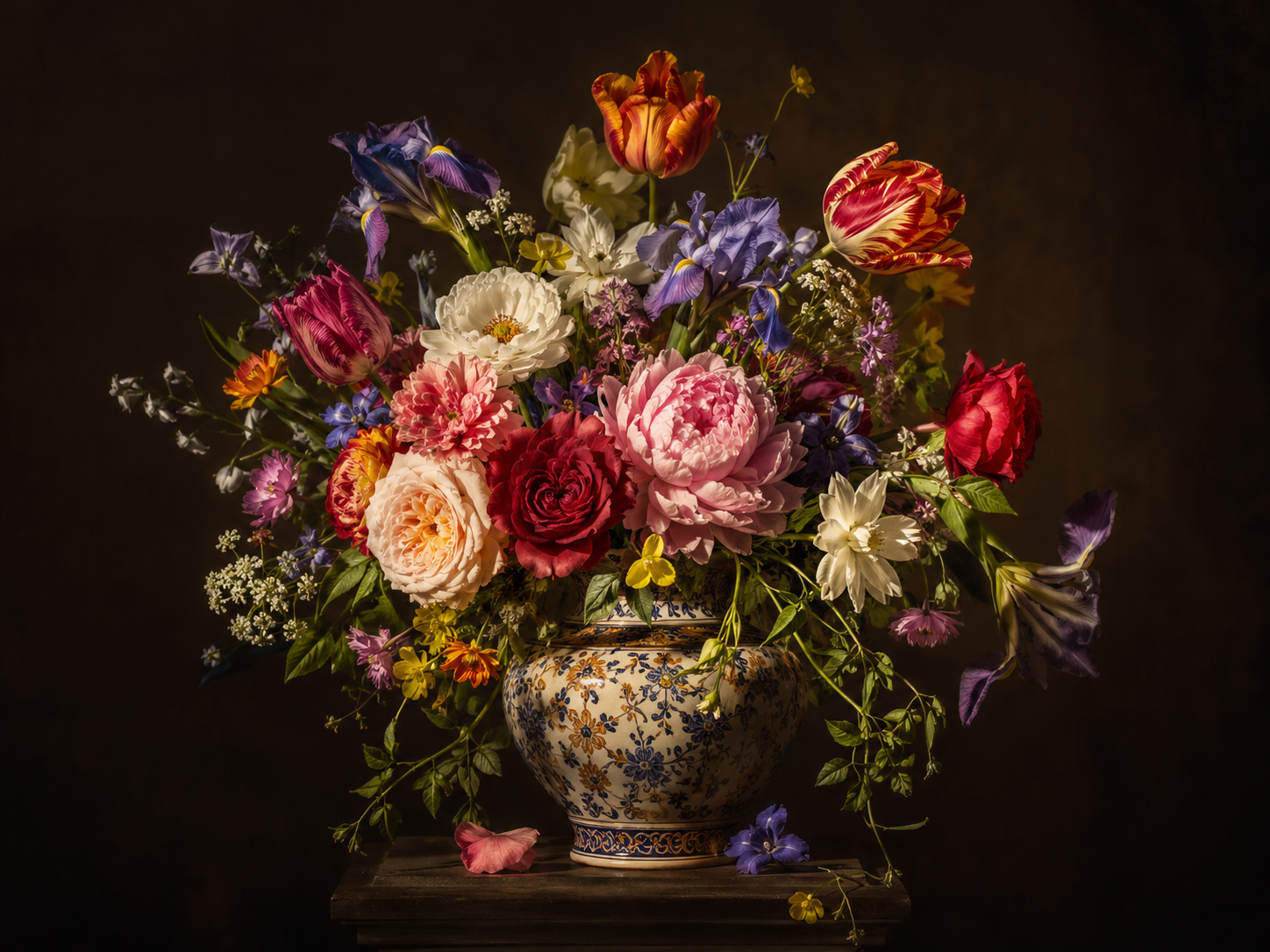
Flowers under pressure
Petals become color, status, fragility, and a reminder that beauty has a clock.
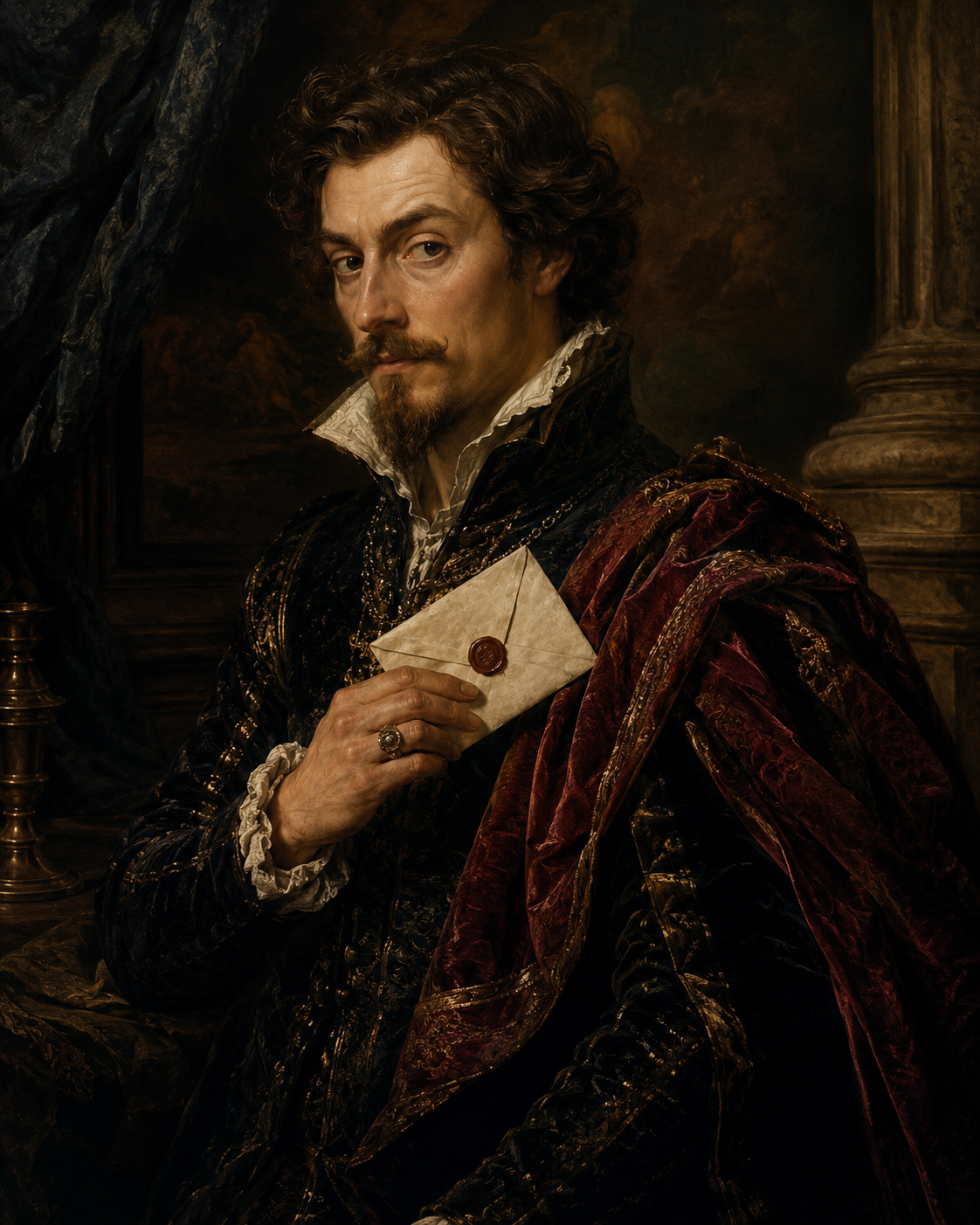
Portrait with a secret
Baroque portraiture often hints at rank, psychology, power, and hidden story.
Quick museum test
How to spot Baroque energy
Ask five questions: Where is the brightest light? What is hidden in shadow? Which diagonal moves your eye? What emotion is being pushed toward you? Who benefits from the drama?
Why it still matters
Baroque art taught later visual culture how to stage intensity. Movie lighting, opera, fashion photography, courtroom drama, fantasy posters, religious spectacle, museum blockbusters, and even manga action panels all borrow from the Baroque toolbox: contrast, motion, scale, reveal, and emotional timing.
It is not quiet art. It is art with a pulse.