FineArtDaily field guide
What makes Rococo feel Rococo?
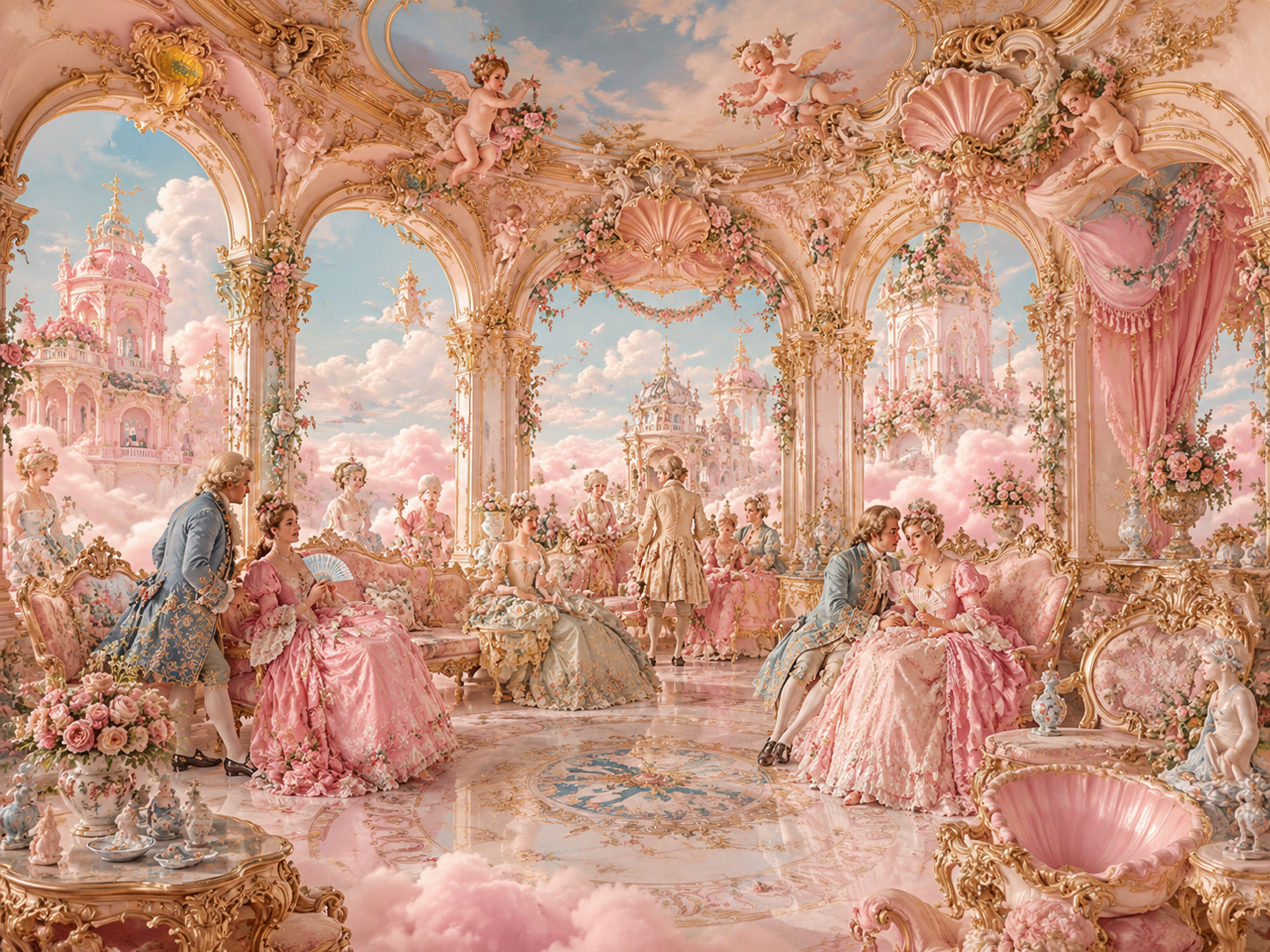
Rococo art is smaller, lighter, more decorative, and more private than Baroque. Where Baroque often stages thunder for churches and courts, Rococo stages pleasure for salons, boudoirs, gardens, music rooms, and aristocratic interiors.
1. Ornament takes over the room
Rococo loves curves, shells, scrolls, garlands, mirrors, gilding, ribbons, flowers, porcelain surfaces, and carved details that seem to wiggle when no one is looking. The decoration is not just a frame around the art. It is part of the performance.
Look for asymmetry and movement in the edges. Rococo design often avoids heavy straight lines. It prefers the swirl, the curl, the floating cloud, and the gold flourish that says, “Yes, this corner also needed jewelry.”
2. Color becomes soft theater
Instead of the deep shadows and blazing spotlights of Baroque painting, Rococo often works with pastel pinks, creamy whites, powder blues, pale greens, warm golds, and pearly skin tones. The light is airy. The atmosphere is perfumed. The room does not shout. It sparkles.
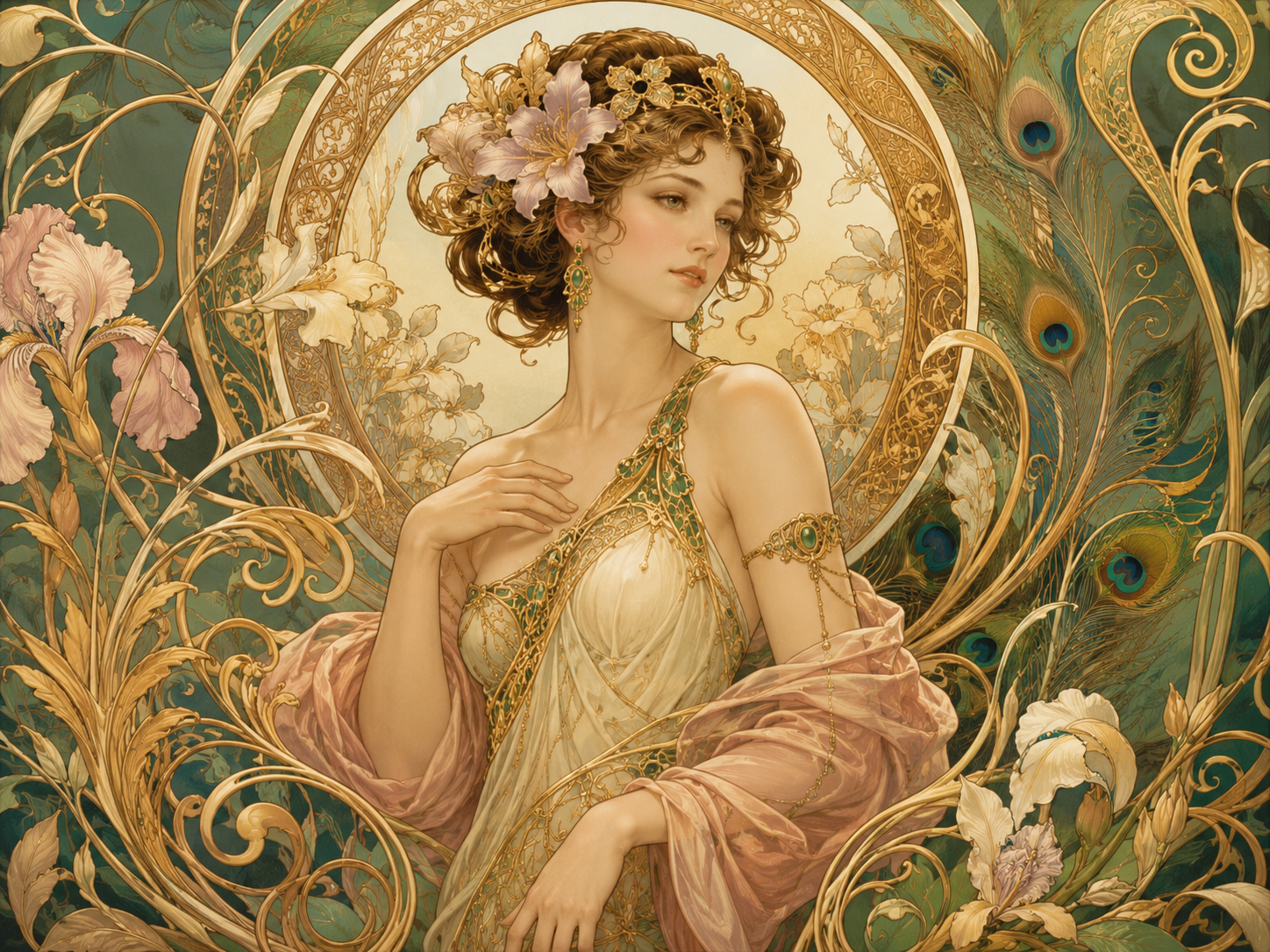
Curves everywhere
Rococo turns the edge of a room into choreography: shell, scroll, vine, ribbon, repeat.
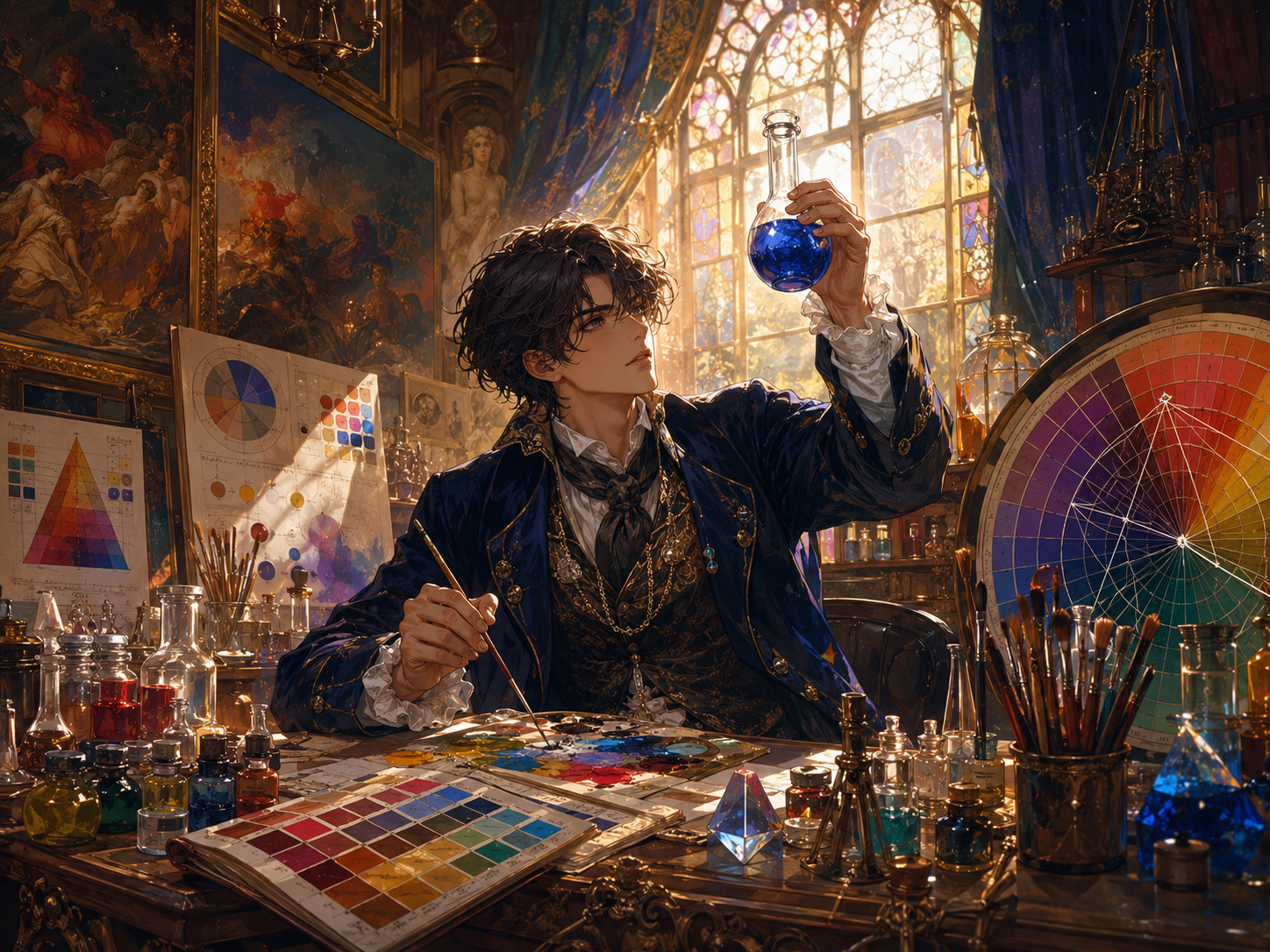
Pastel strategy
Soft color can still control mood, hierarchy, fantasy, and social theater.
3. The salon becomes a stage
Rococo flourished in elite interiors where conversation, music, flirtation, wit, and taste mattered. Paintings often show garden parties, mythological games, musicians, lovers, aristocrats, costumes, swings, letters, and private dramas that pretend to be effortless.
The word “effortless” is the trap. Rococo may look light, but it is highly designed. The casual gesture, the floating dress, the garden path, the tiny dog, the hidden glance — all of it is staged.
4. Baroque versus Rococo
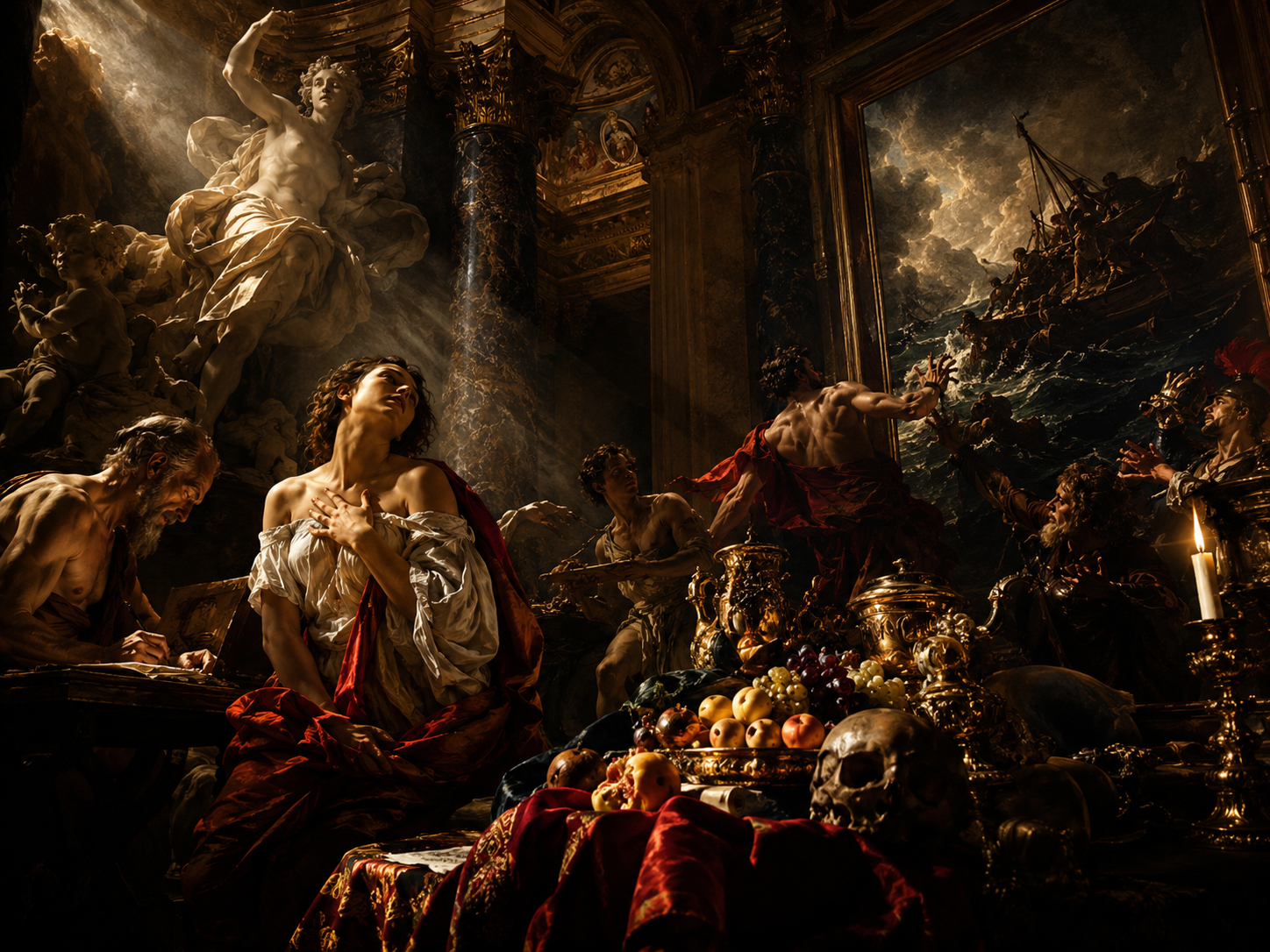
Baroque art often wants awe. Rococo often wants delight. Baroque can feel public, dramatic, religious, and monumental. Rococo tends to feel private, playful, secular, decorative, and intimate. Baroque is thunder. Rococo is champagne foam in a gold cup.
Fast museum test
If the work feels like clouds, ribbons, soft laughter, shell-shaped ornament, pastel luxury, garden games, and aristocratic performance, you are probably near Rococo territory. If someone has fainted into divine light while the ceiling opens, you may have wandered back into Baroque.
5. The sweetness has a shadow
Rococo can be charming, but it also belongs to a world of privilege. Its delicacy, leisure, fantasy, and decorative excess can feel beautiful and fragile at the same time. Later critics often saw it as frivolous, especially when political and social pressure made aristocratic pleasure look out of touch.
That tension makes Rococo interesting. It is not just pretty. It is pretty under pressure.
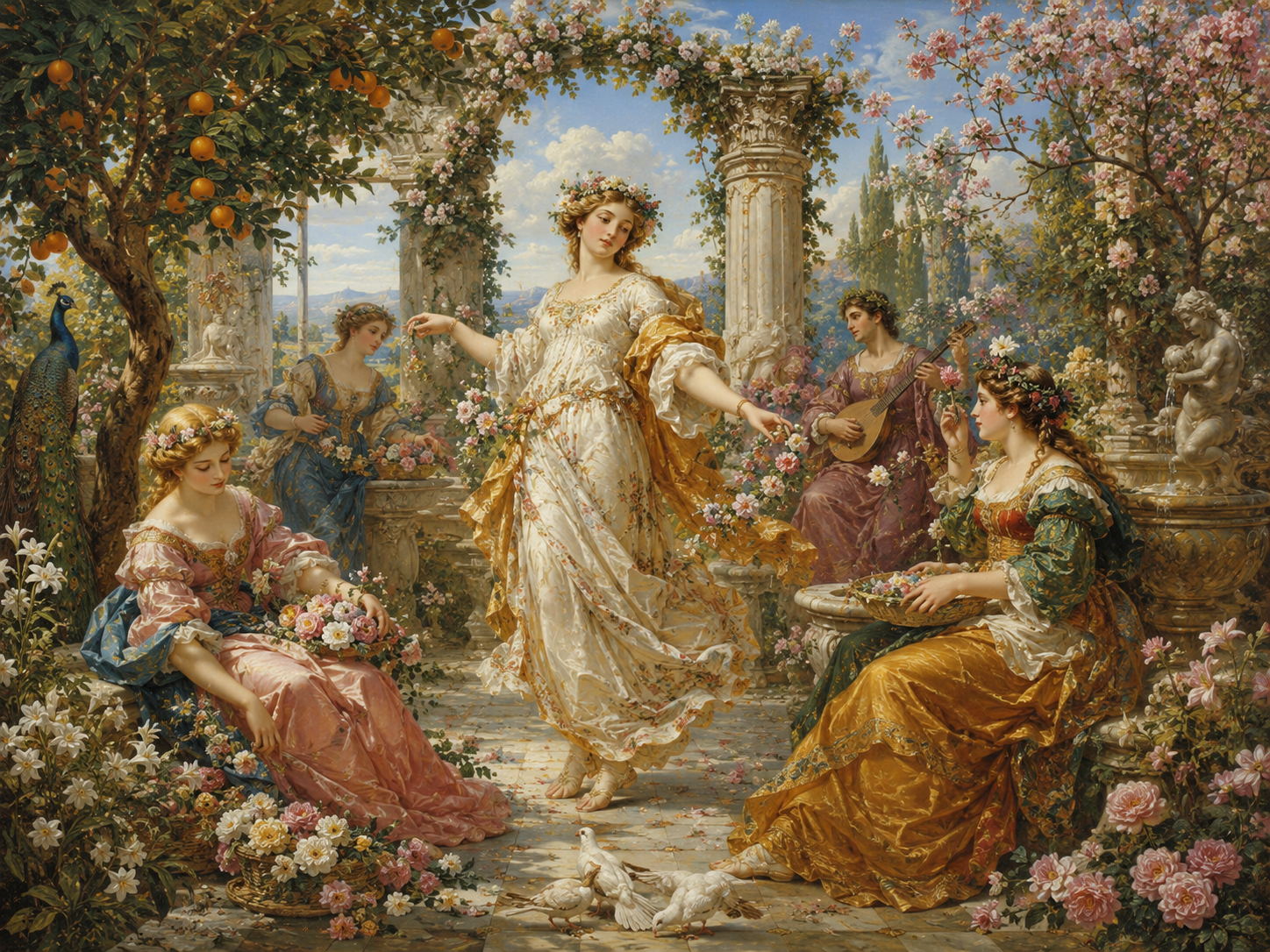
Garden theater
Nature becomes a stage for beauty, symbols, costume, and choreography.

The secret letter
Rococo loves private messages, glances, games, and social codes.
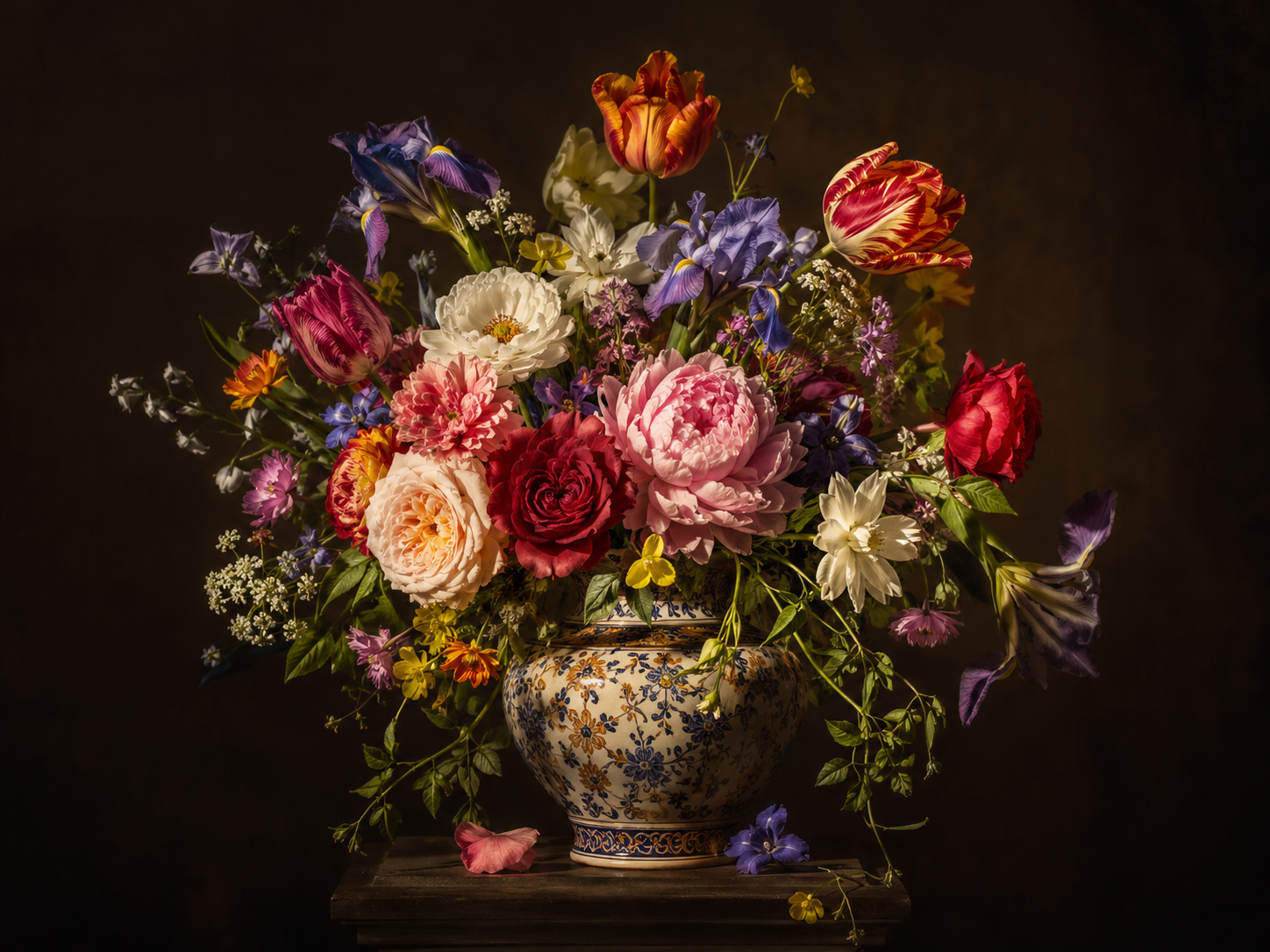
Decorative abundance
Flowers, surfaces, silk, porcelain, and gold all join the visual conversation.
How to look at Rococo art
Start at the edges. Rococo often reveals itself in the frame, furniture, room, dress, garden, and decorative rhythm. Then look for social performance: Who is looking at whom? Who is pretending not to look? What object carries the joke? What does the luxury want you to forget?
Finally, decide whether the work feels innocent, ironic, decadent, charming, anxious, or all five at once. Rococo is usually smiling. The question is what kind of smile.