FineArtDaily field guide
What makes Romanticism feel Romantic?
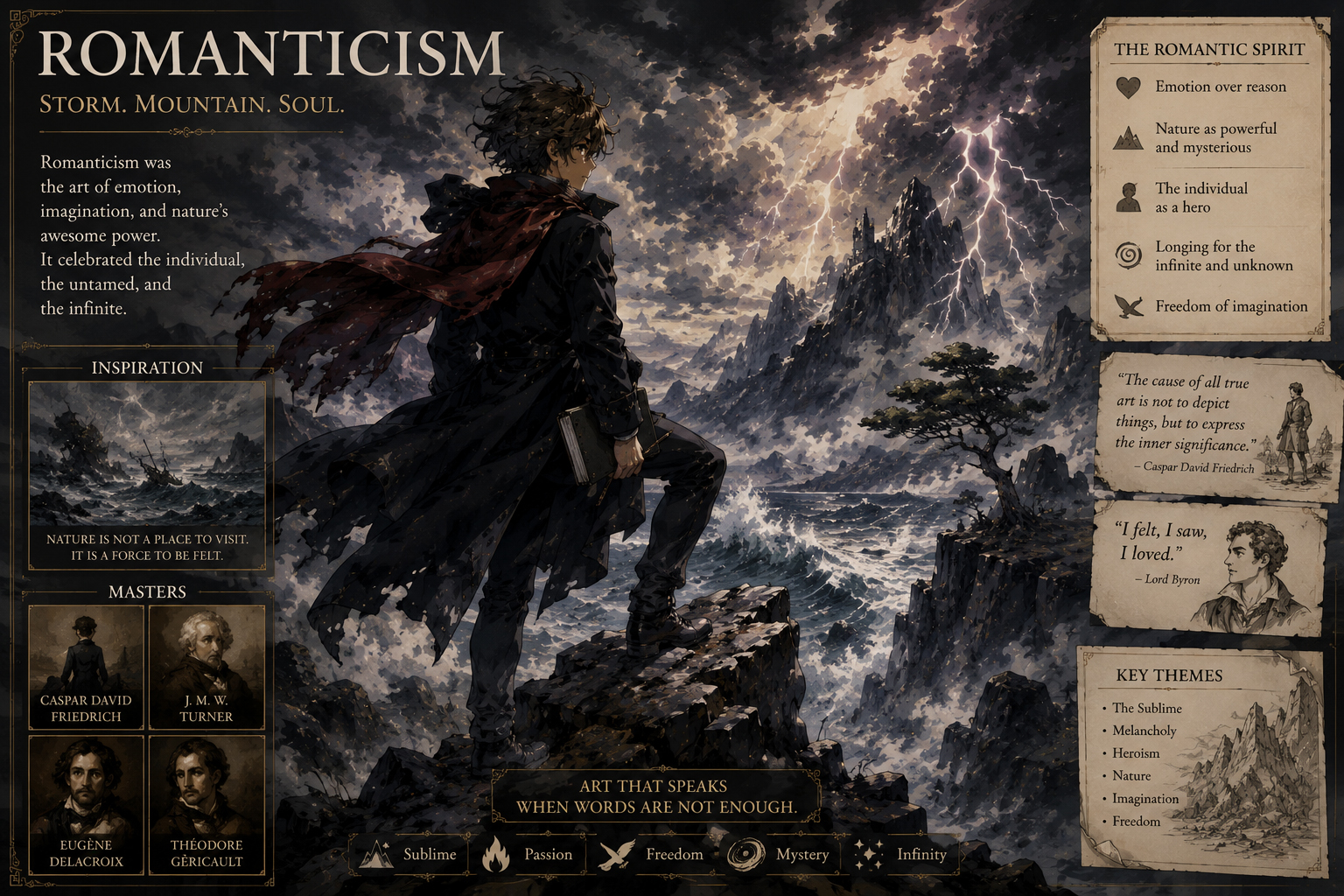
Romanticism is not just romance. It is emotion, imagination, awe, danger, memory, freedom, ruins, mountains, storms, moonlight, rebellion, and the feeling that reason alone cannot explain the world. Where Neoclassicism likes marble discipline, Romanticism opens the window during a thunderstorm and calls that research.
1. The sublime makes humans feel small
The sublime is a key Romantic idea: beauty mixed with terror, wonder, scale, and danger. A quiet flower can be beautiful. A lightning storm over a mountain pass can be sublime. Romantic artists loved the moment when nature feels larger than the viewer’s confidence.
Look for tiny figures facing enormous landscapes, storms, cliffs, oceans, ruins, forests, volcanoes, or skies. The human is often present, but not in control. Romanticism does not mind making civilization look like a temporary camp beside eternity.
2. Emotion becomes evidence
Romantic art treats feeling as serious information. Fear, longing, grief, awe, patriotism, loneliness, spiritual hunger, and wild joy are not side effects. They are the subject. The weather often acts like a mood amplifier: clouds brood, waves rage, sunsets burn, and moonlight turns memory into theater.
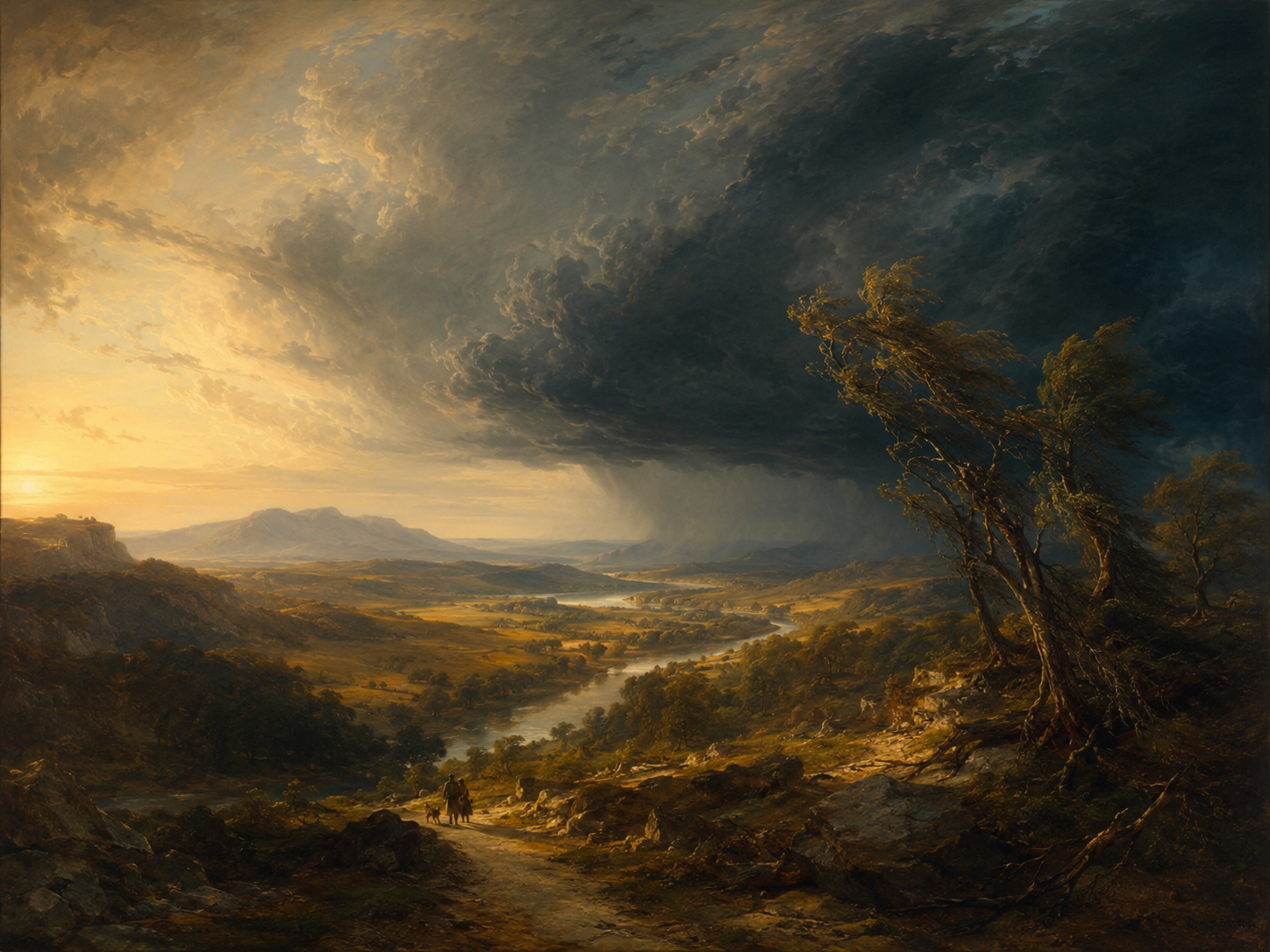
Storm before speech
The sky often tells you the emotional state of the painting before any figure does.
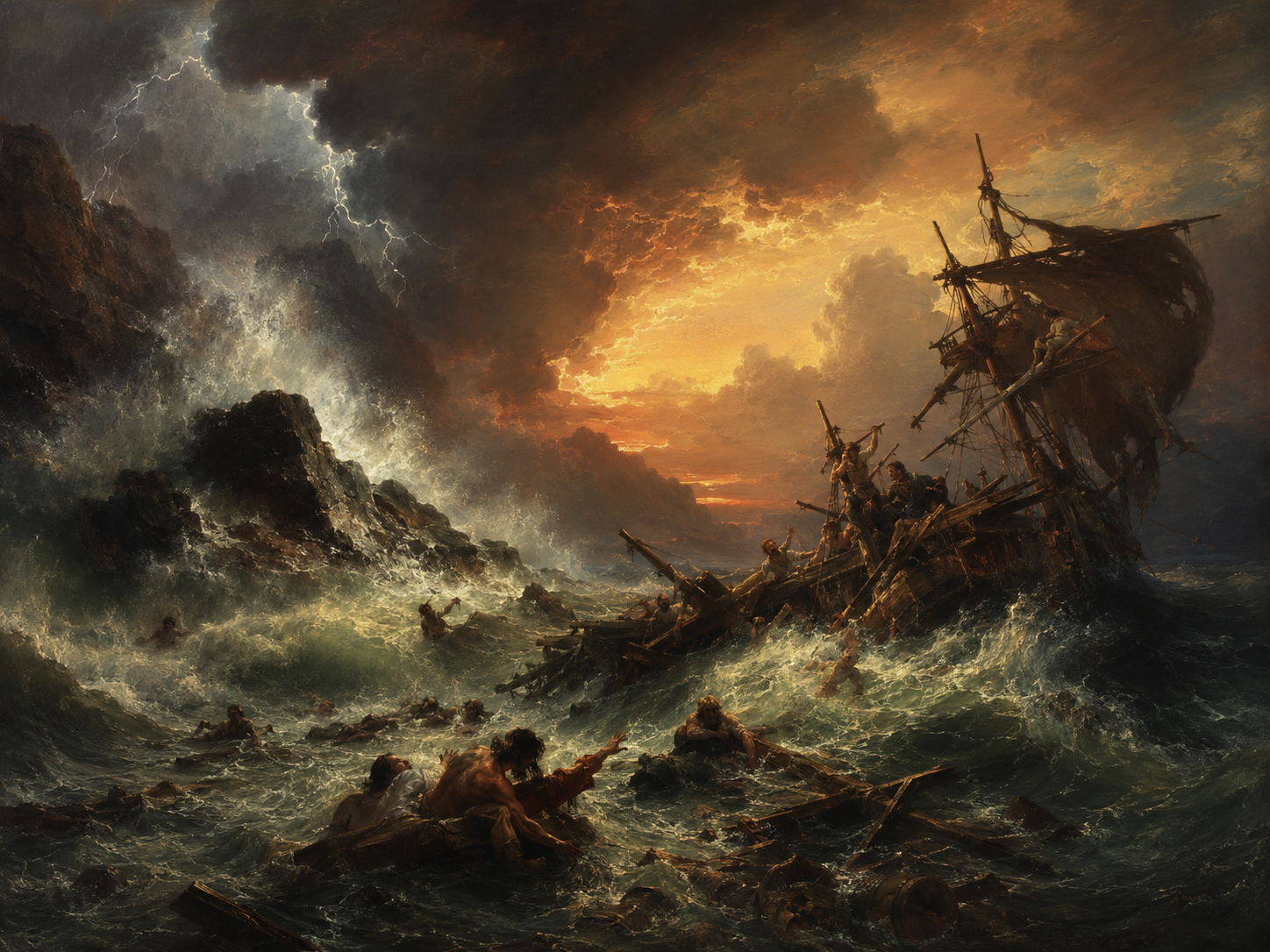
The sea refuses manners
Romantic oceans do not decorate the scene. They argue with it.
3. Nature becomes the main character
In Romanticism, nature is not just background scenery. It is force, mystery, judge, comfort, threat, and spiritual presence. Mountains tower like ancient witnesses. Forests feel enchanted or dangerous. The ocean becomes a moral test with better special effects than any palace.
This is one of the reasons Romantic landscapes can feel cinematic even when no obvious action is happening. The action is atmospheric.
4. Ruins, myths, and the past return
Romanticism often looks backward: medieval ruins, legends, folk tales, ancient myths, national histories, ghosts, and lost worlds. The past is not tidy evidence. It is emotional fuel. A ruined tower is not just architecture. It is memory with moss on it.
That love of the mysterious past helped make Romantic art feel darker, stranger, and more psychological than polite academic history painting.
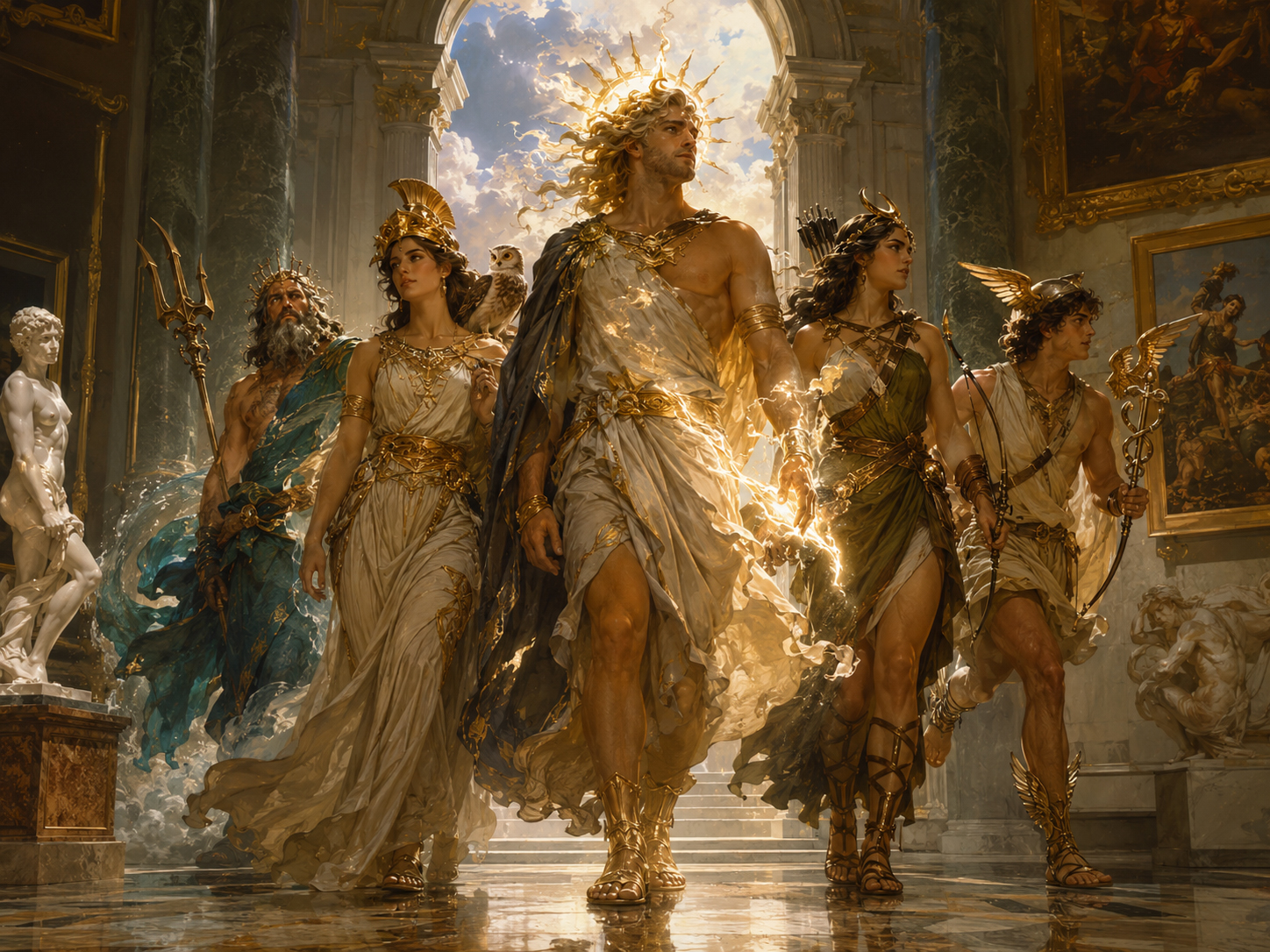
Myth returns
Romantic artists often used myth as a mirror for fear, desire, destiny, and rebellion.
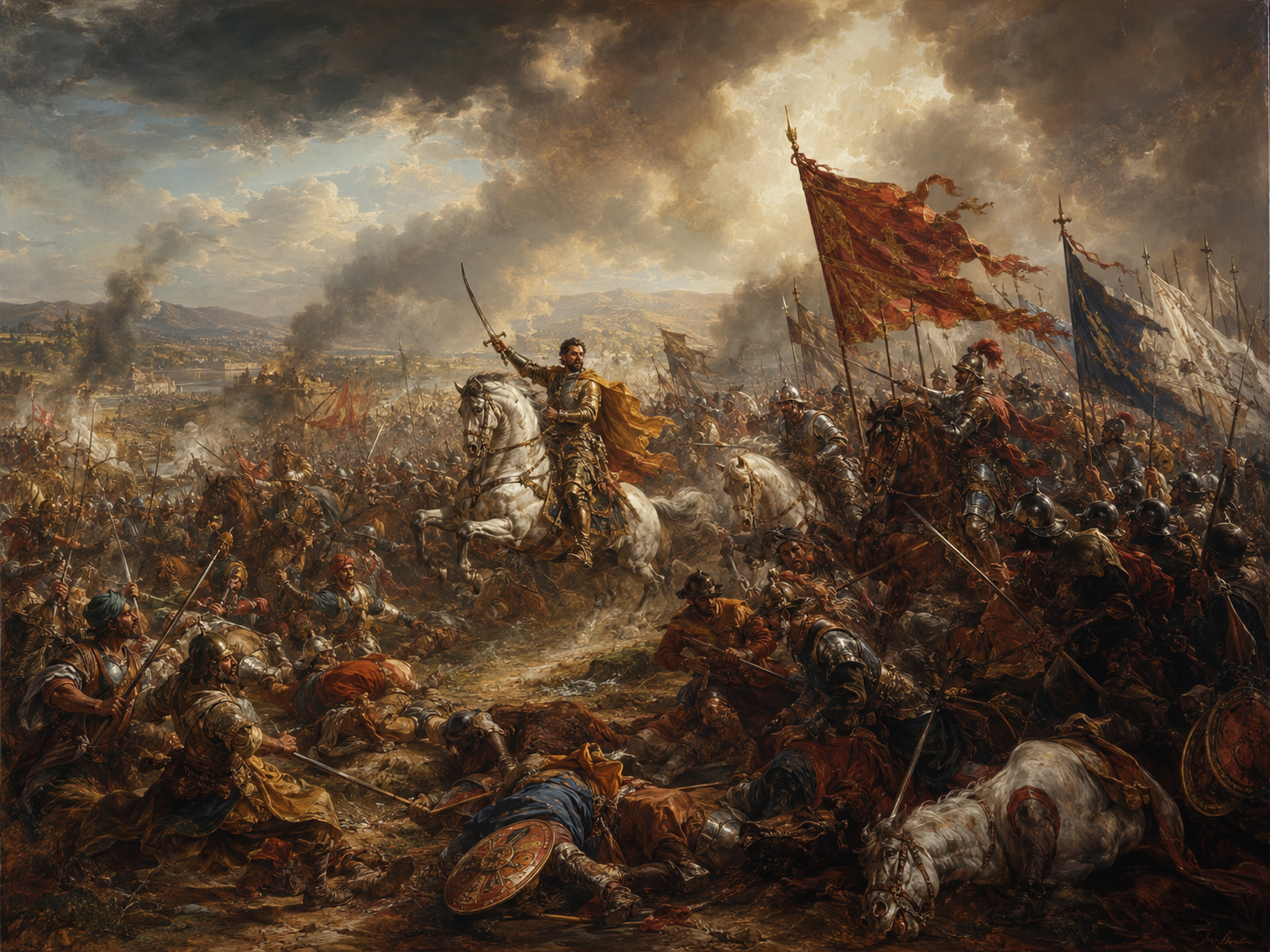
History with weather
Even battle scenes can become emotional landscapes of chaos, courage, and loss.
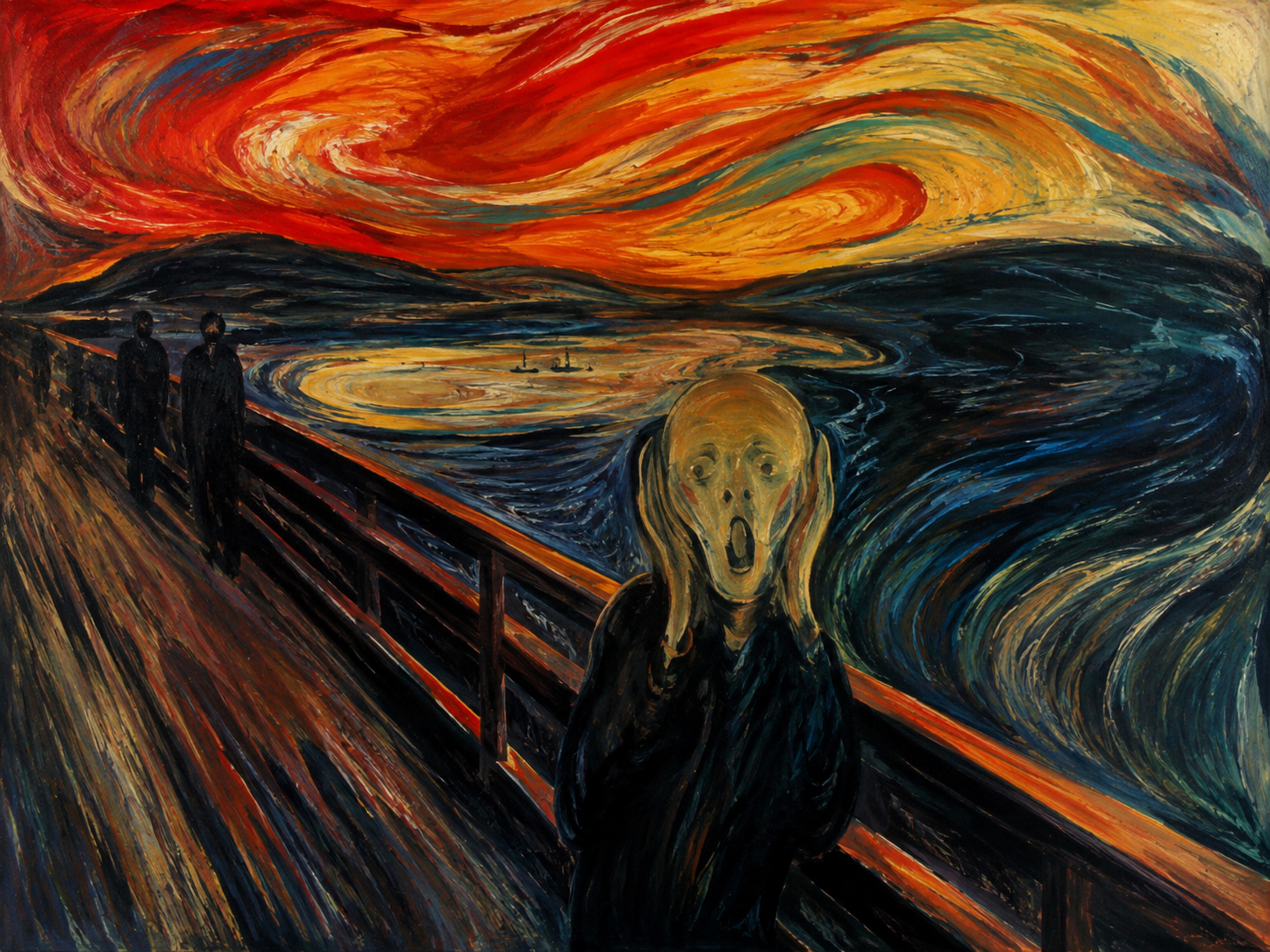
Emotion echoes forward
Romantic intensity helped prepare the road toward Symbolism, Expressionism, and modern emotional art.
5. Romanticism likes the rebel
Romantic art often admires the outsider, the wanderer, the revolutionary, the visionary, the doomed hero, the haunted poet, the misunderstood genius, and the person who refuses to behave like a clean footnote. It prefers the burning heart over the polished résumé.
This is why Romanticism can feel intensely personal. The artist’s imagination becomes a world-building engine, not just a recording device.
Fast museum test
If the painting contains huge weather, tiny humans, ruins, moonlight, shipwrecks, mountains, legends, political fire, spiritual longing, or a sky that appears to be having a nervous breakdown, Romanticism may be nearby.
How to look at Romantic art
Start with scale. Ask what feels bigger than the people: the storm, the mountain, the sea, the past, the idea, the nation, the grief, the divine, or the imagination. Then look at light. Romantic light often behaves like emotion made visible.
Next, ask what the scene wants you to feel before it wants you to know. Romanticism is not anti-intelligence. It simply believes awe, fear, longing, and wonder can be forms of knowledge too.
Why it still matters
Romanticism never really went away. Every movie poster with a lone figure facing a massive sky owes it rent. Every fantasy landscape, haunted castle, doomed hero, stormy album cover, and “tiny person versus enormous world” image carries a Romantic echo.
That is the movement’s secret power: it made inner weather visible.