Fine art, decoded daily
Fine Art Has Entered the Chat.
A glamorous manga museum newspaper about famous paintings, art movements, color, chaos, genius, symbols, scandals, restoration secrets, open-access collections, and the small goblins hiding inside art history.
Today’s FineArtDaily
A newspaper for people who want to read the room.
The homepage now behaves like a daily editorial front page: one masterpiece, one movement, and one museum goblin to pull readers deeper into the site.
Start here
The gallery is open.
FineArtDaily turns art history into a vivid editorial world: famous paintings, open-access collections, visual clues, movement timelines, and characters who explain why the room suddenly feels important.
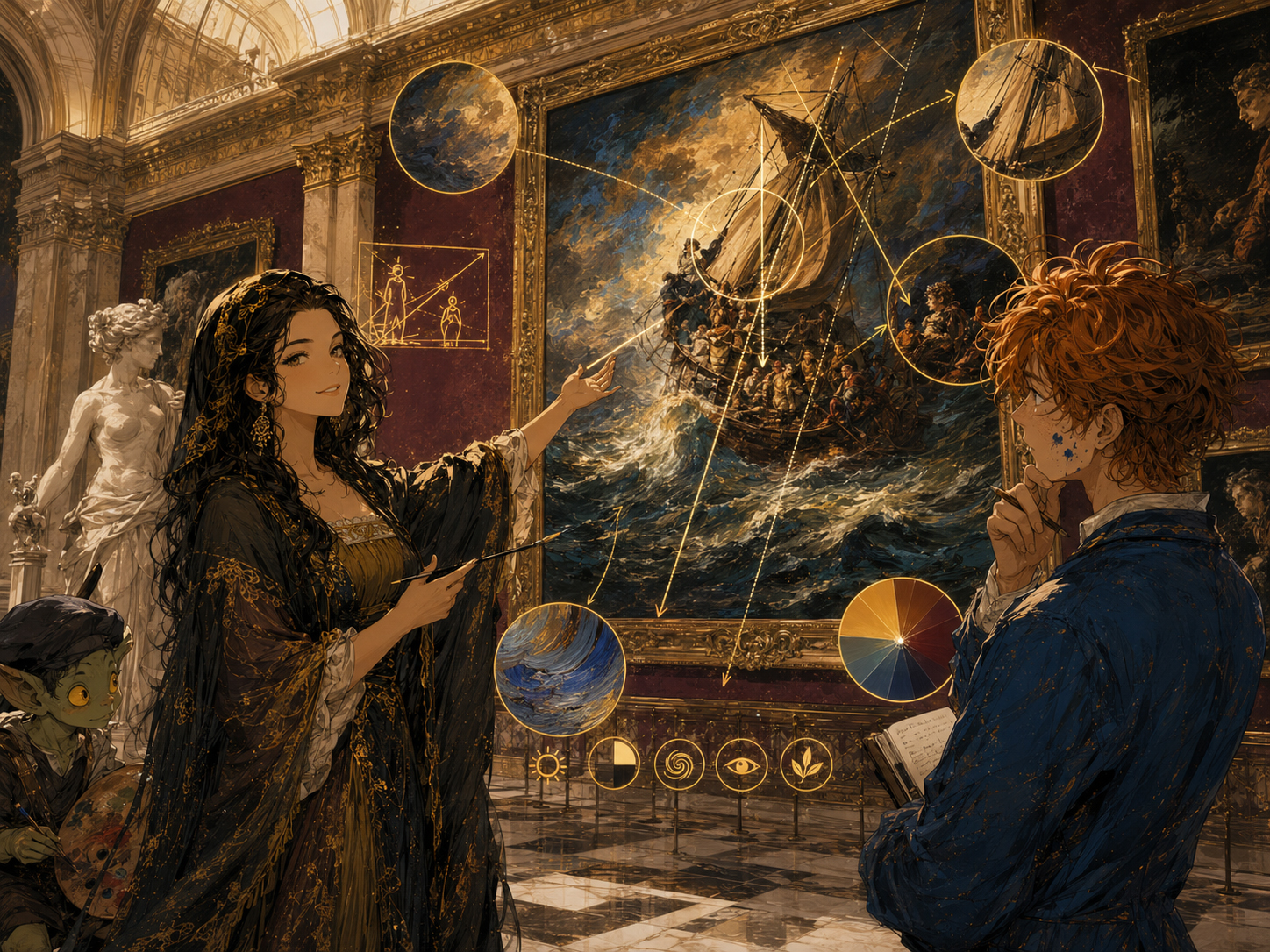
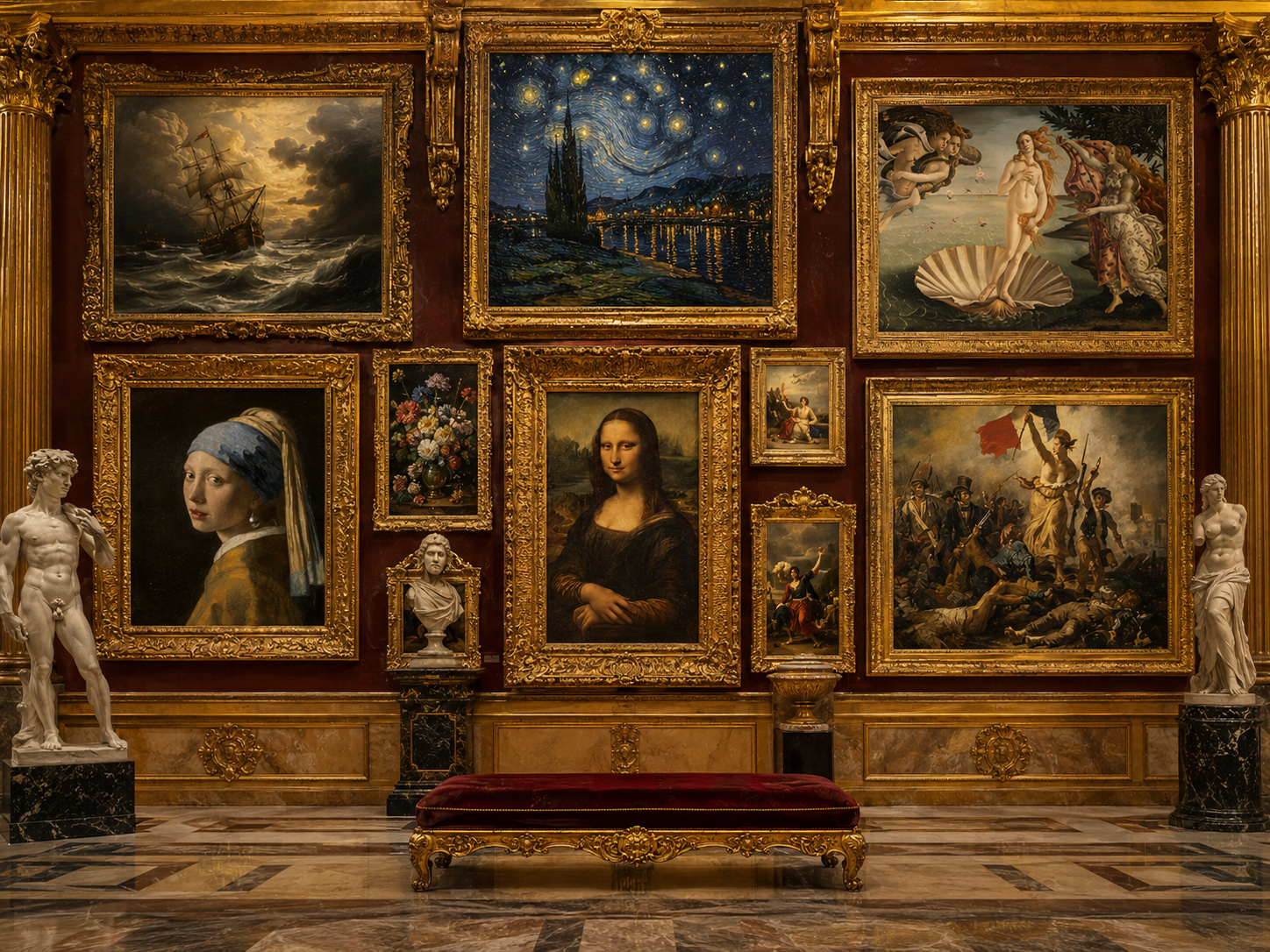
Editorial wall
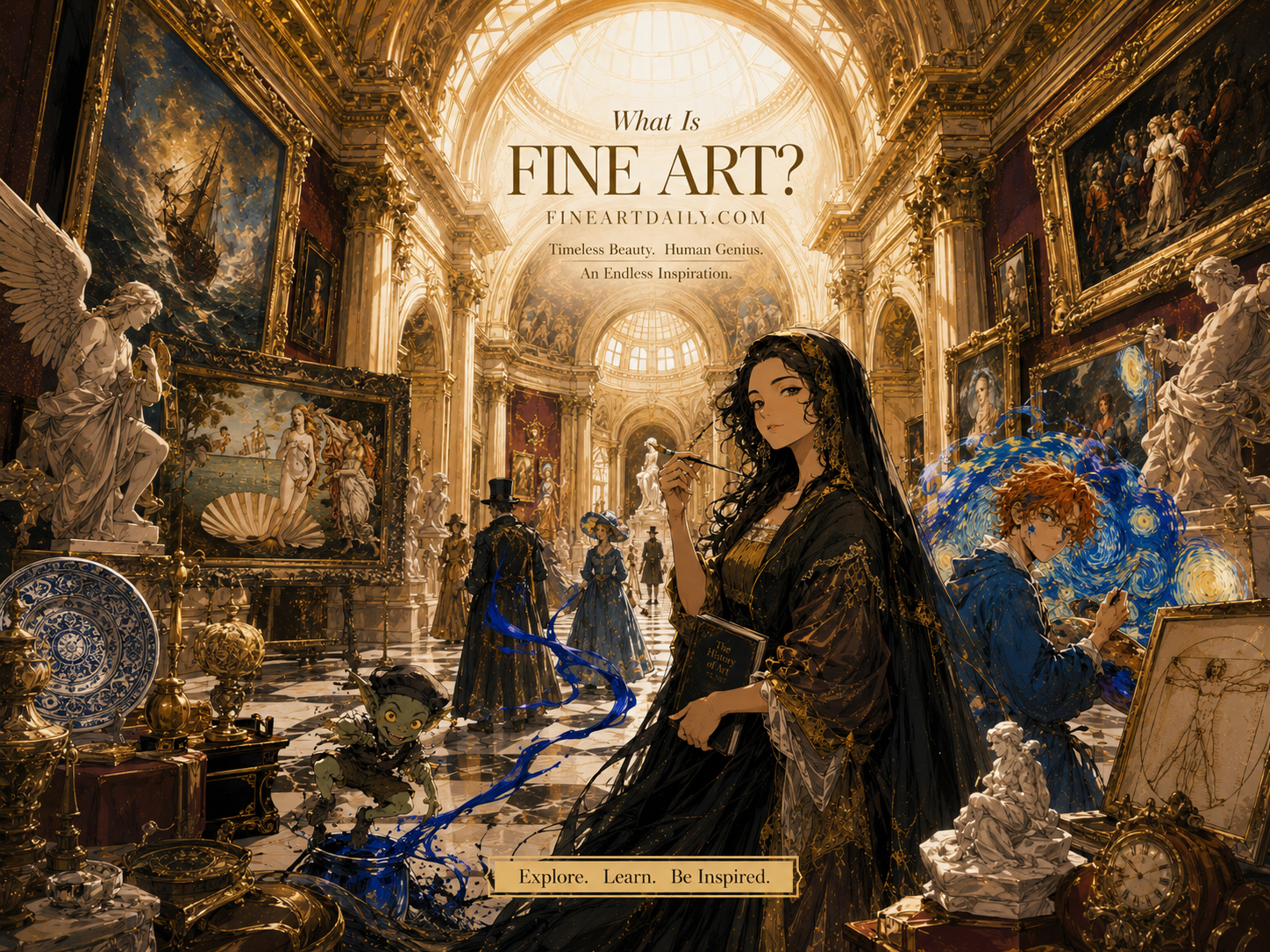
Art history, but with better lighting.
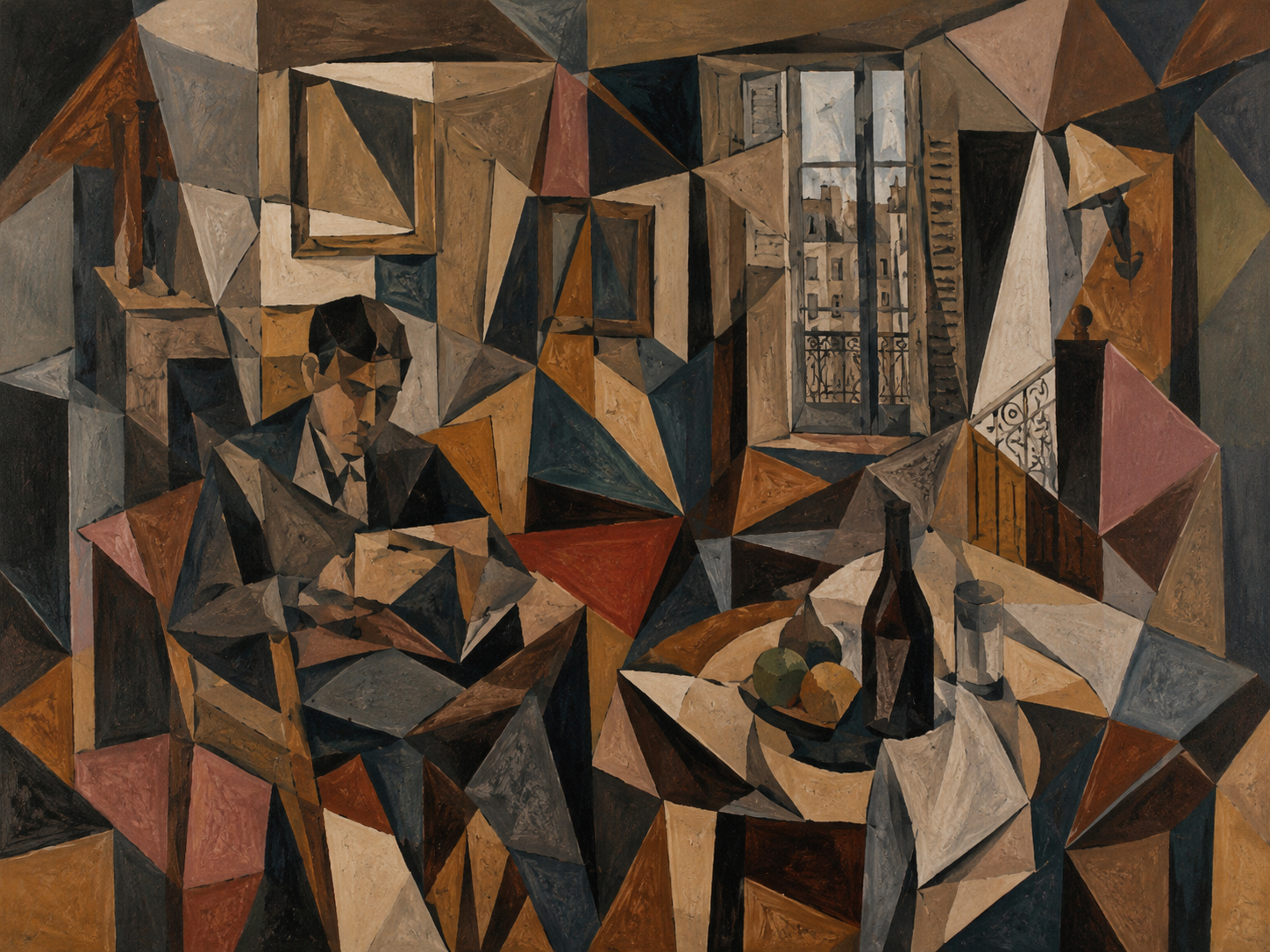
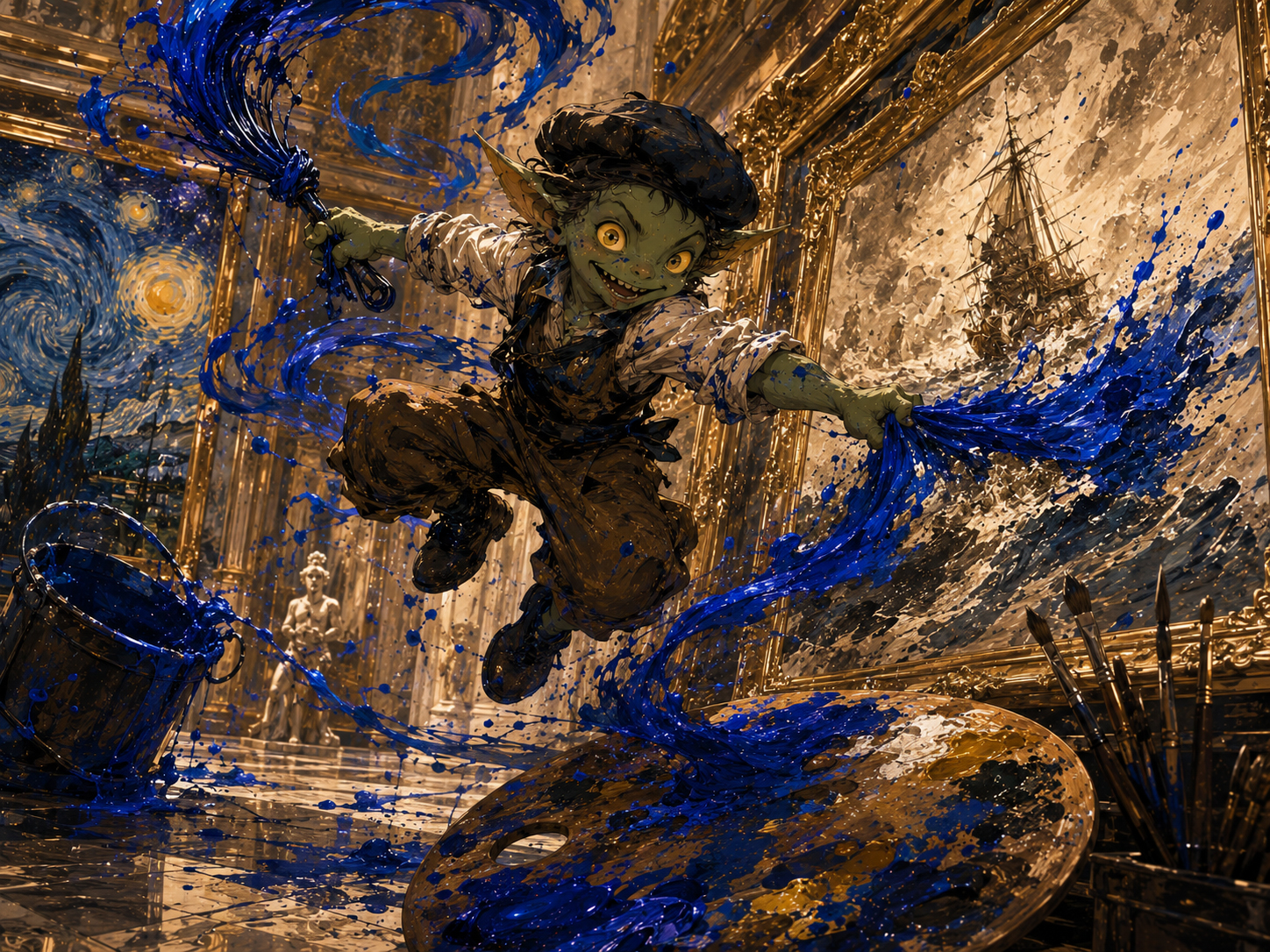
Renaissance order, Baroque drama, Rococo sugar clouds, Romantic storms, Realist workers, Impressionist rain, Cubist angles, Surreal corridors, and one Abstract Dragon who refuses to stay inside the frame.
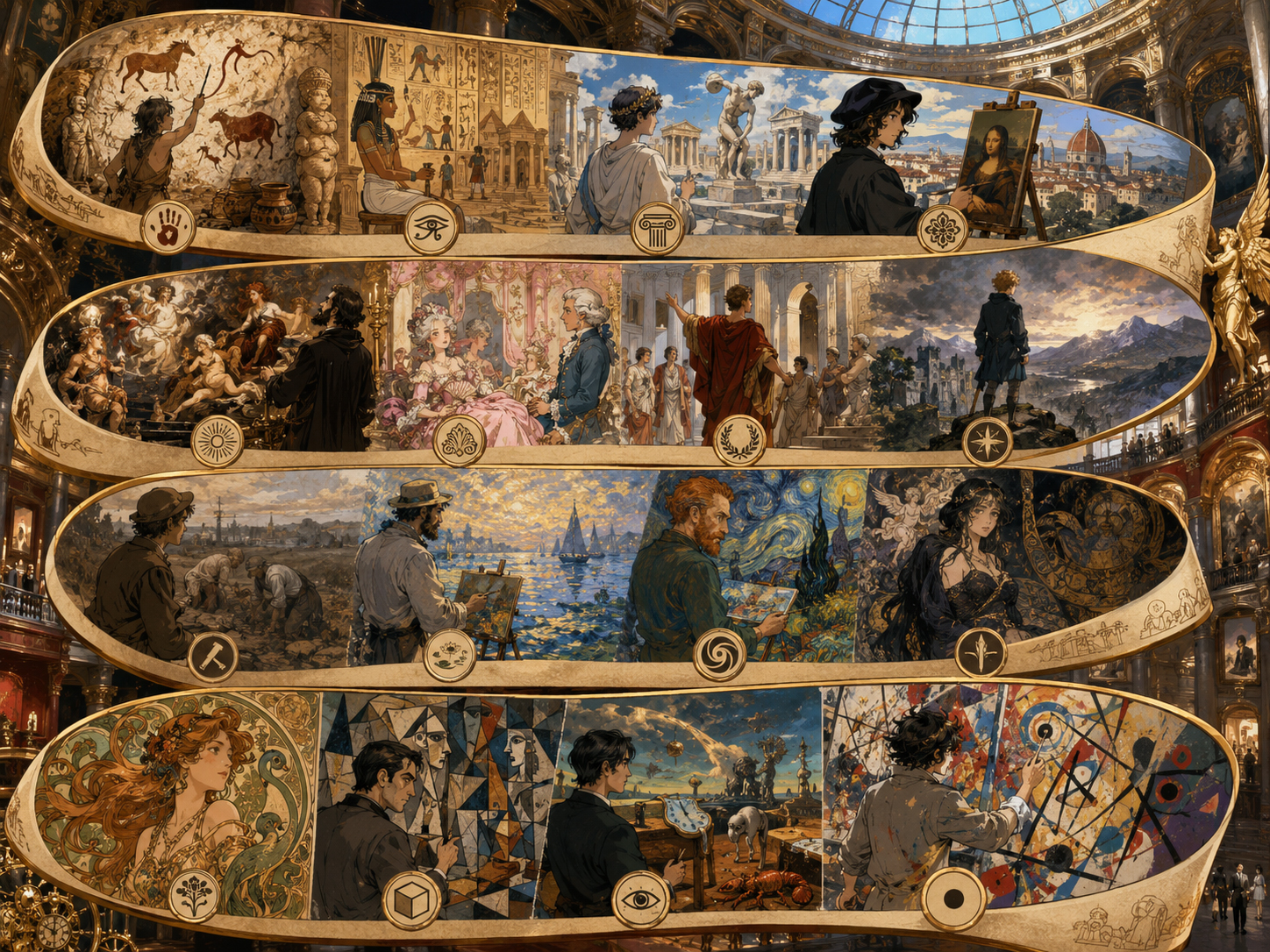
The movements are not a checklist.
They are arguments about beauty, truth, power, light, money, faith, science, cities, machines, and the human urge to make a mark.
Featured movements
Six rooms. Six moods.
Every card is built for a full article page, with enough visual richness to carry the FineArtDaily identity from the first click.
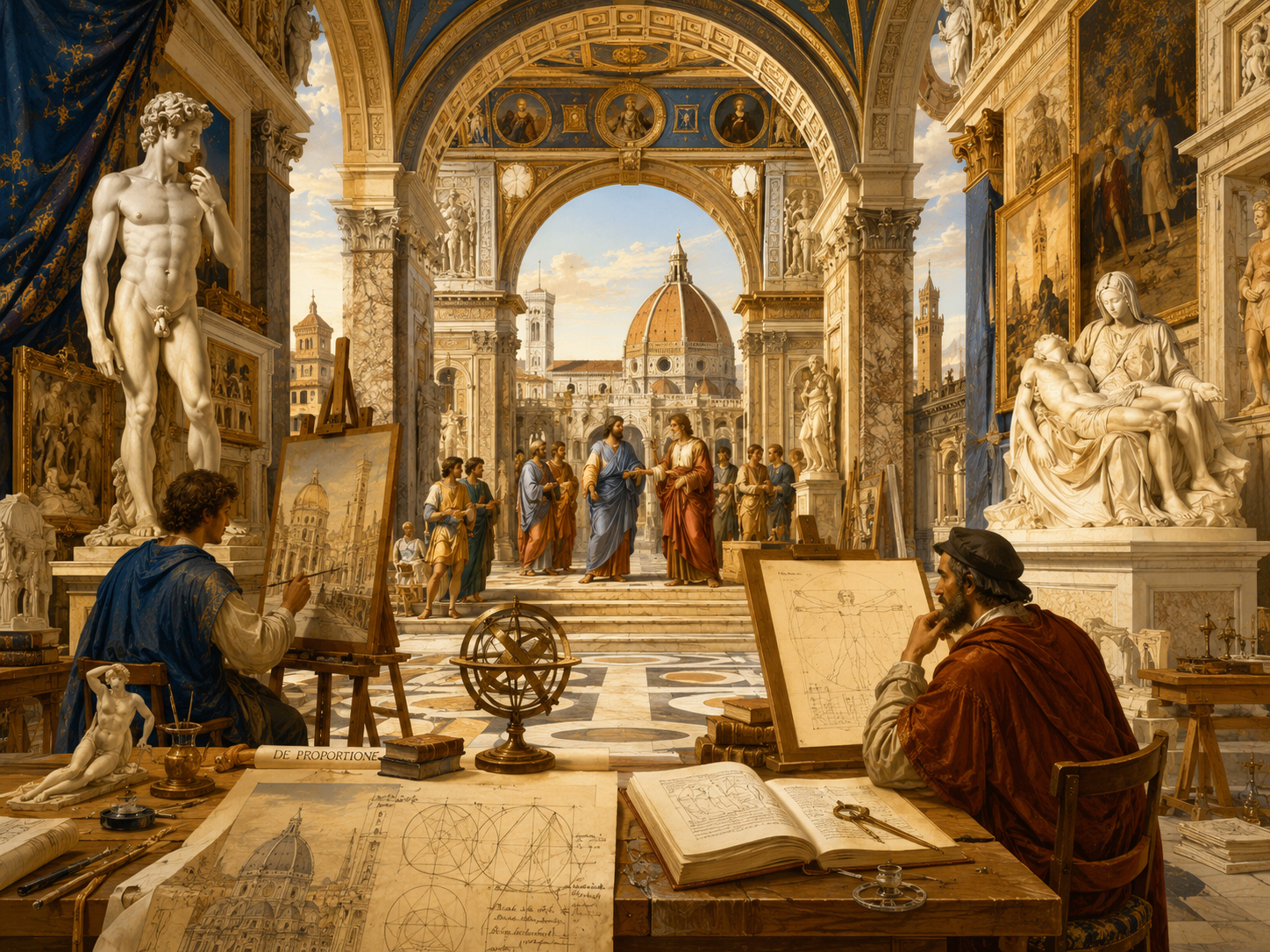
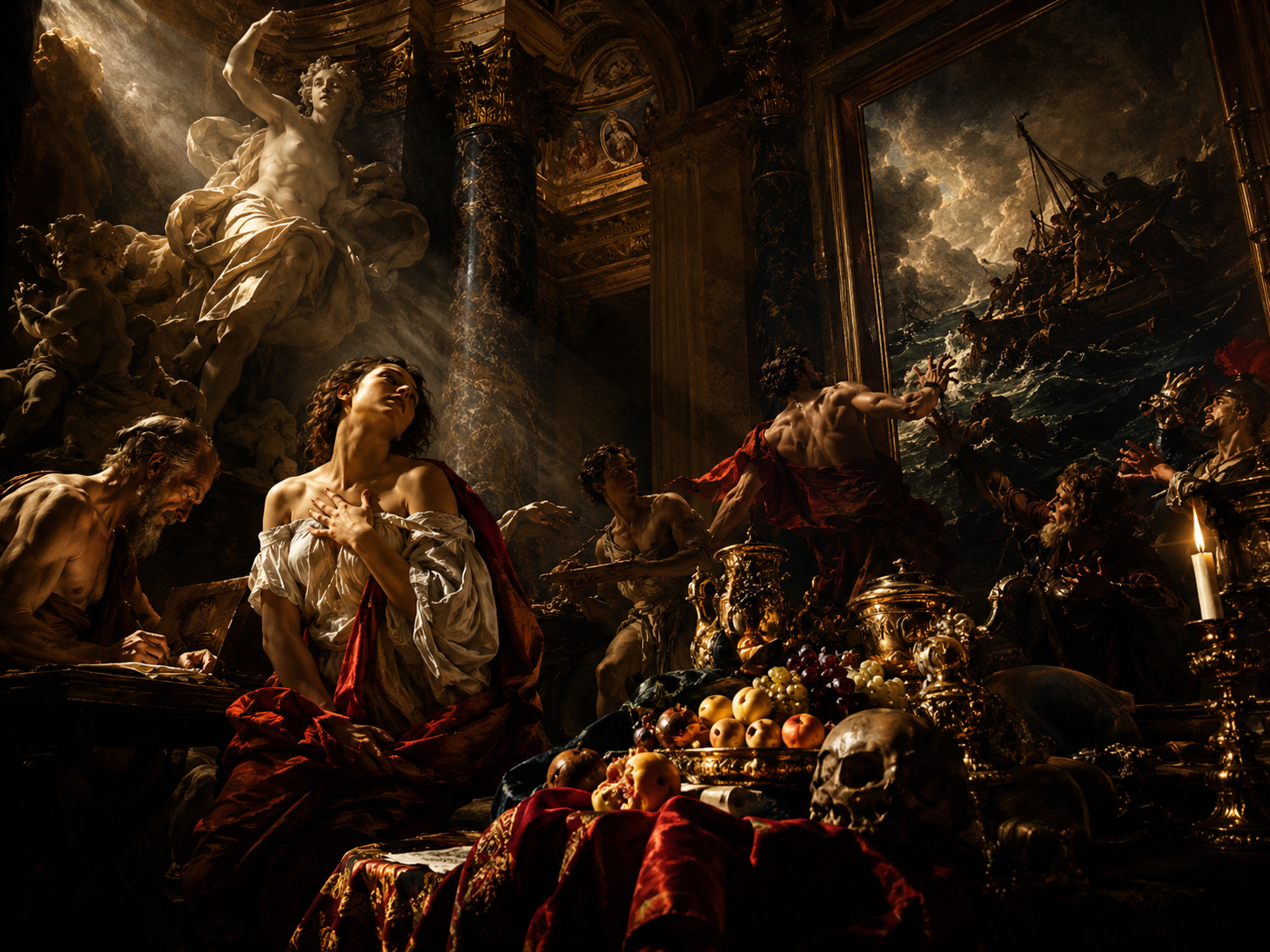
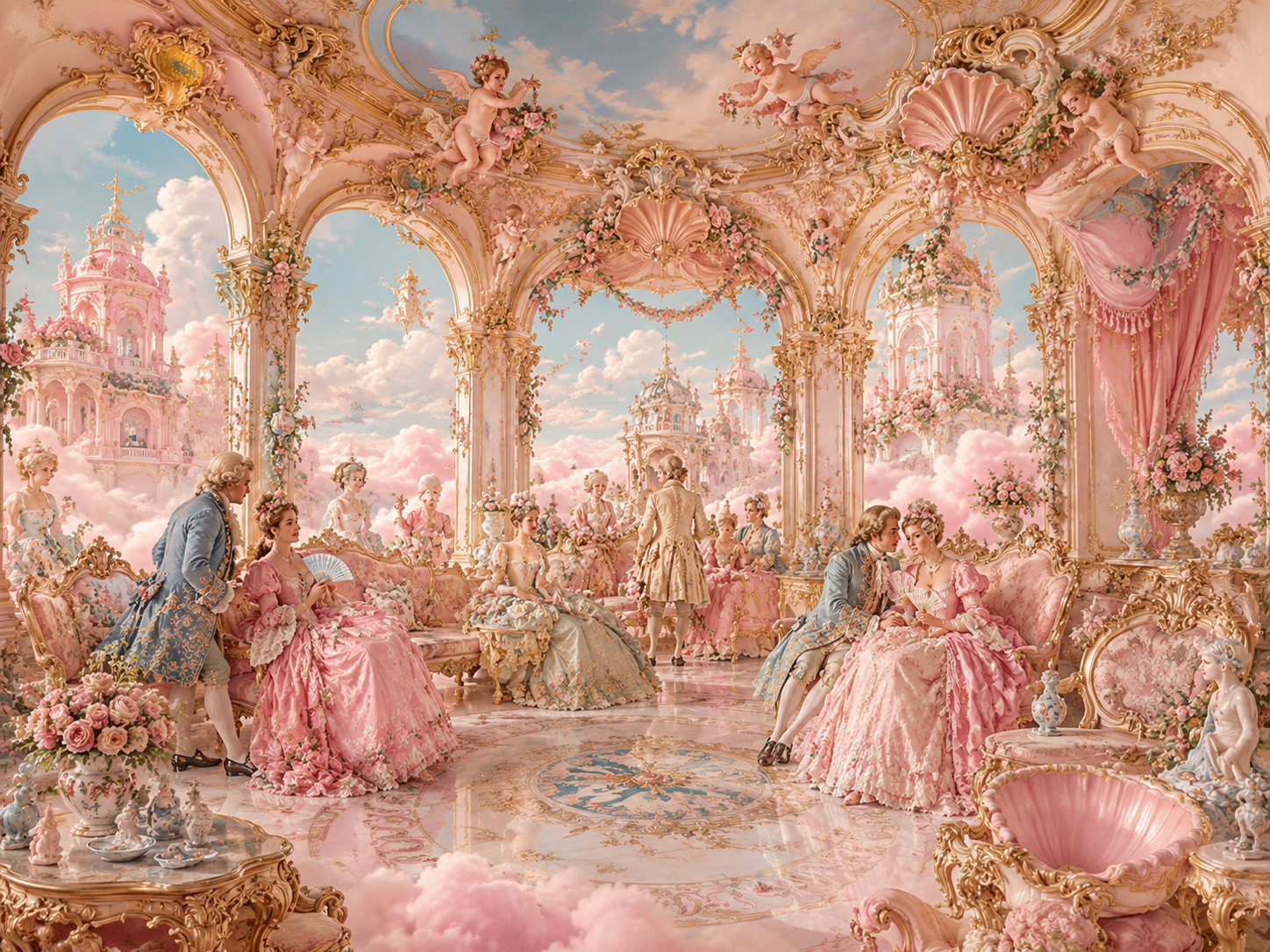
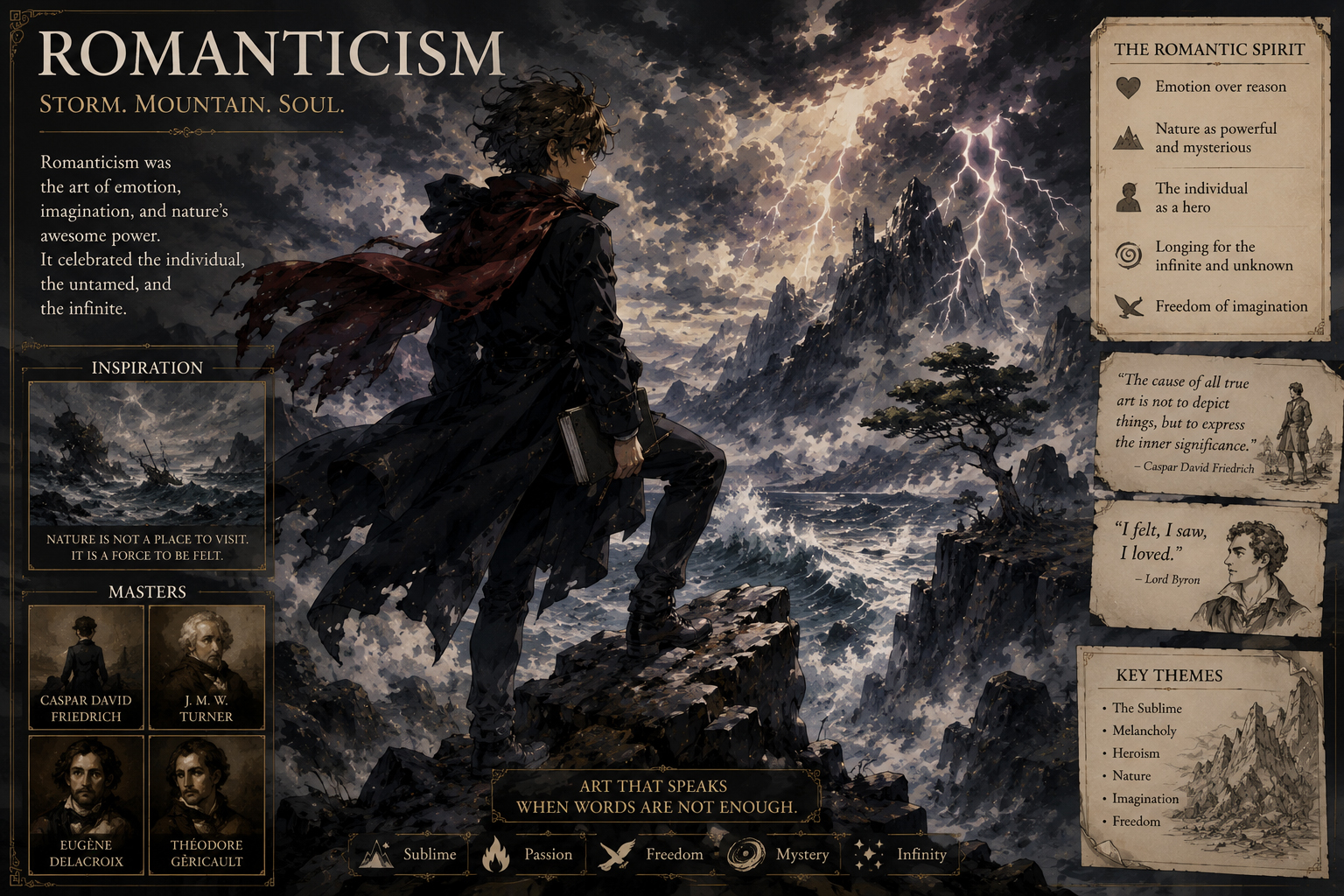
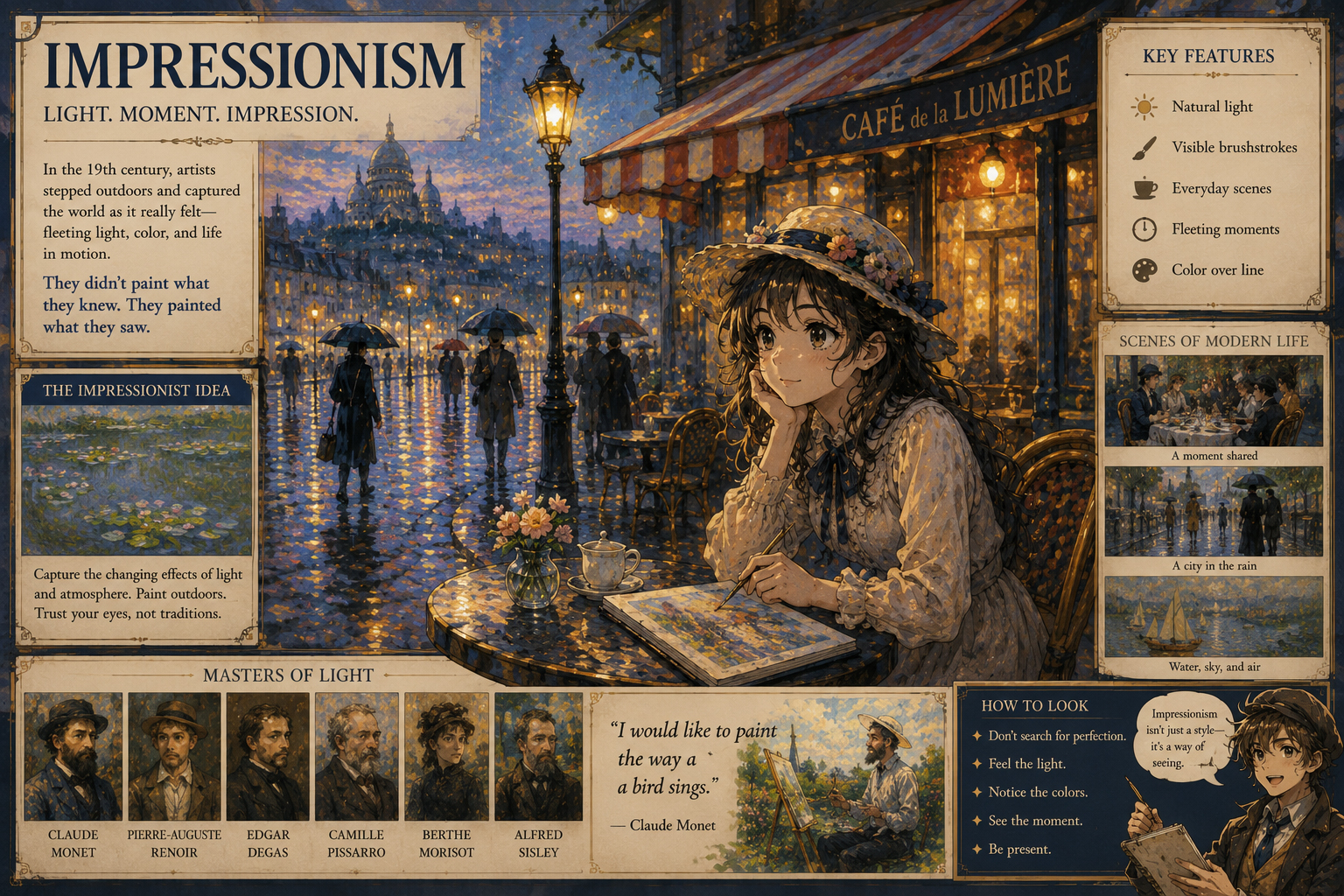
The cast
Meet the museum troublemakers.
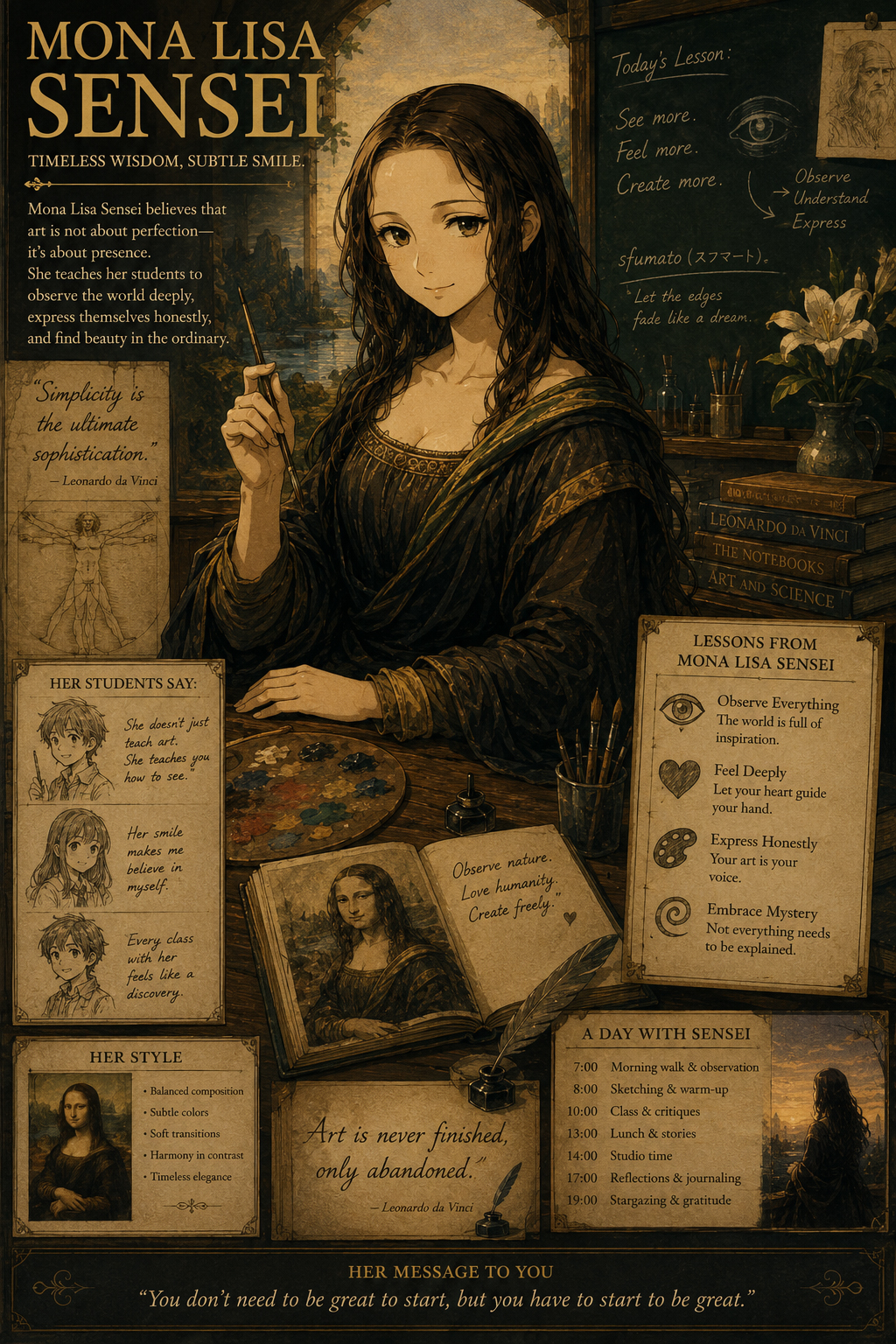
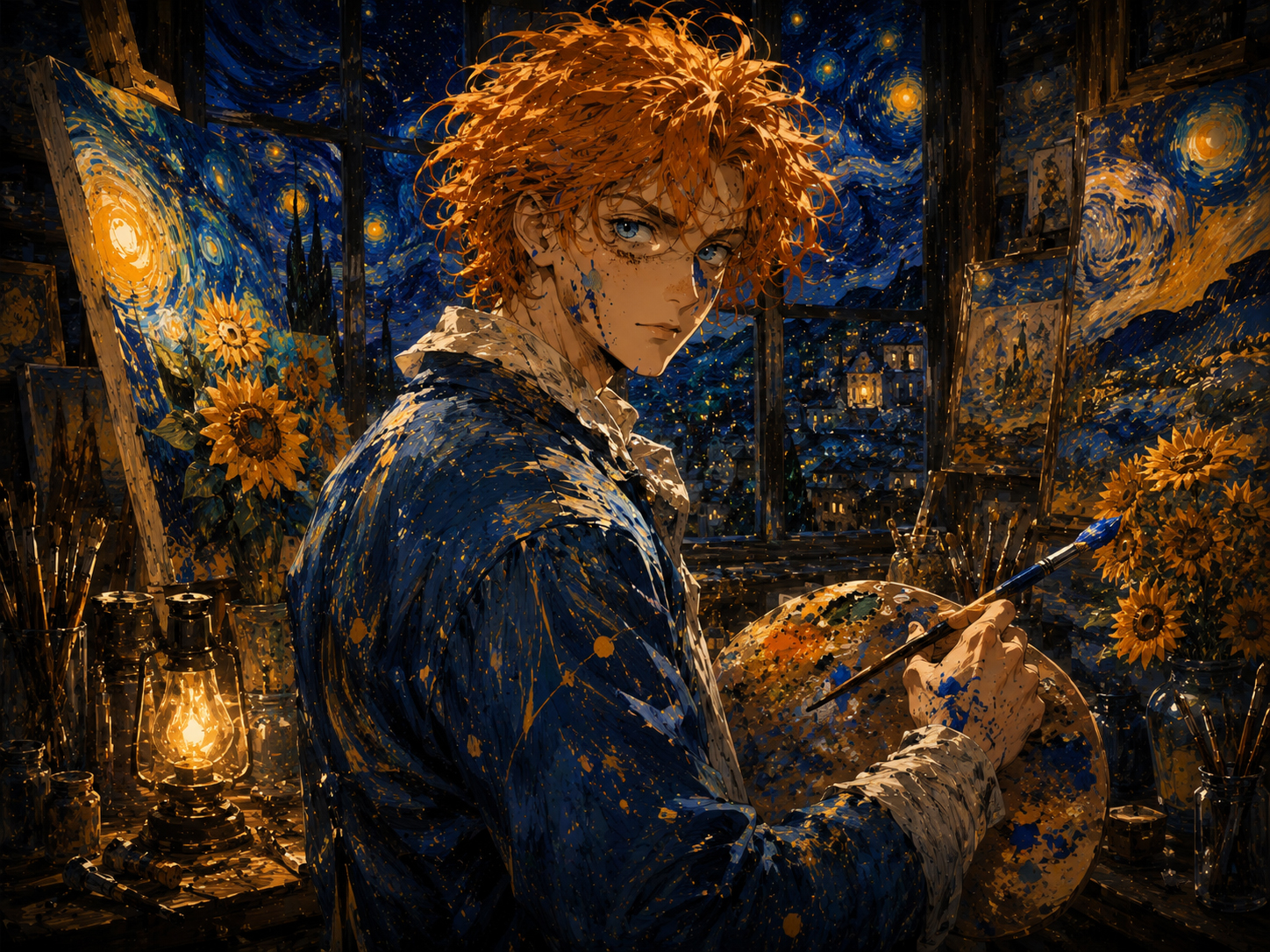
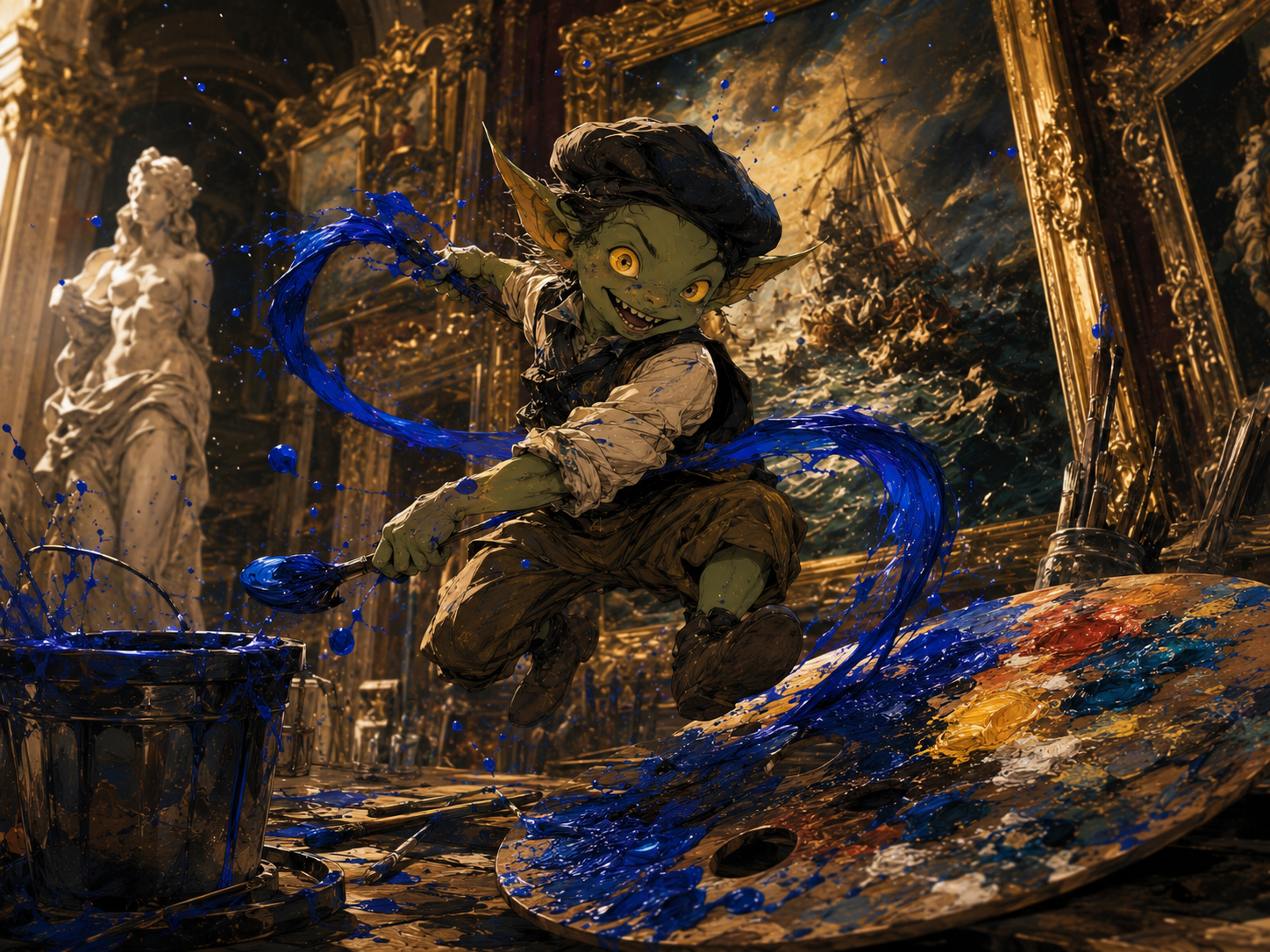
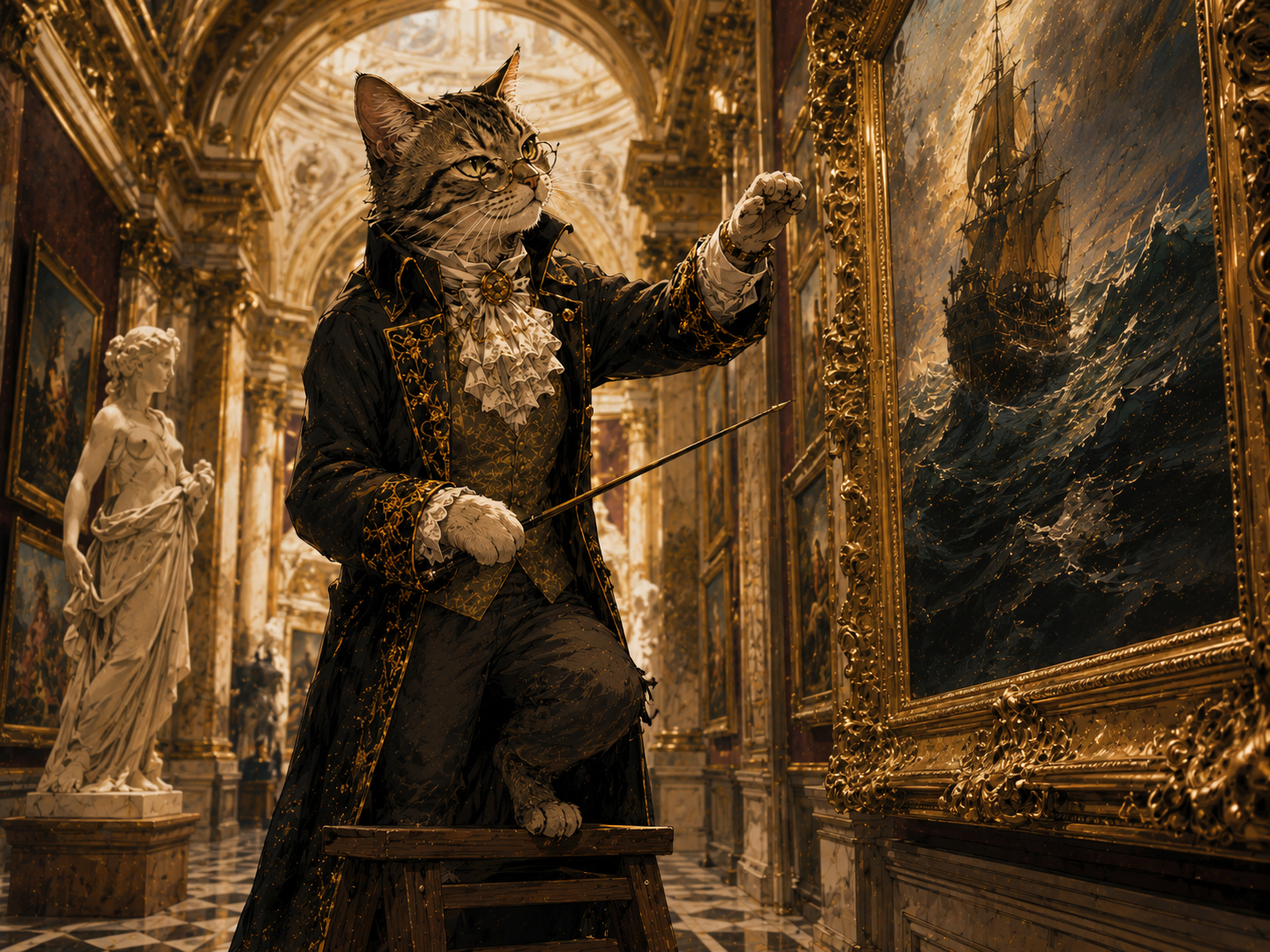
Characters make the site memorable without diluting the art history. They are guides, critics, goblins, and walking metaphors with excellent lighting.
Manga episodes
The gallery starts talking.
Eight short illustrated episodes turn art-history ideas into a continuing museum comedy.
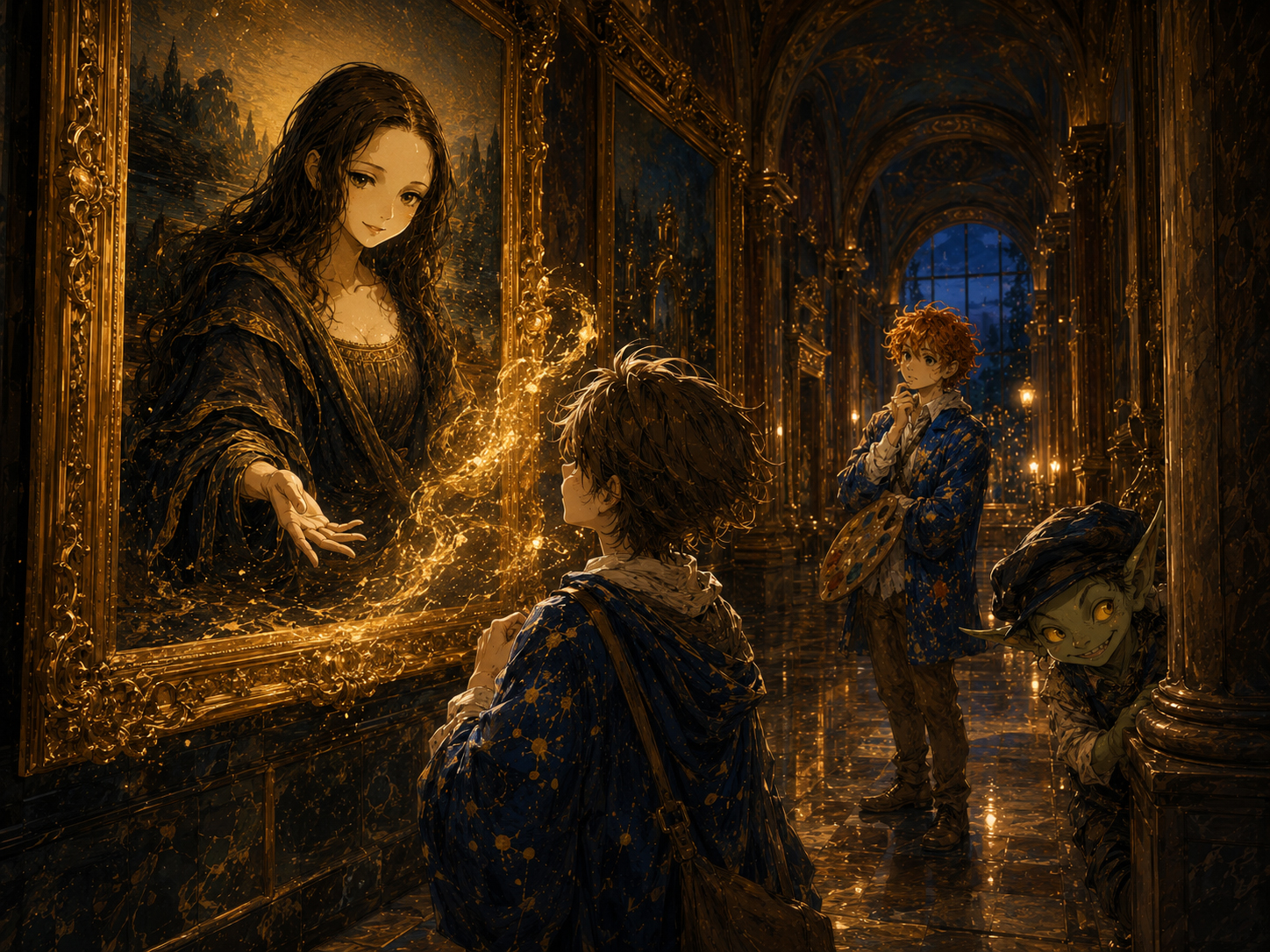
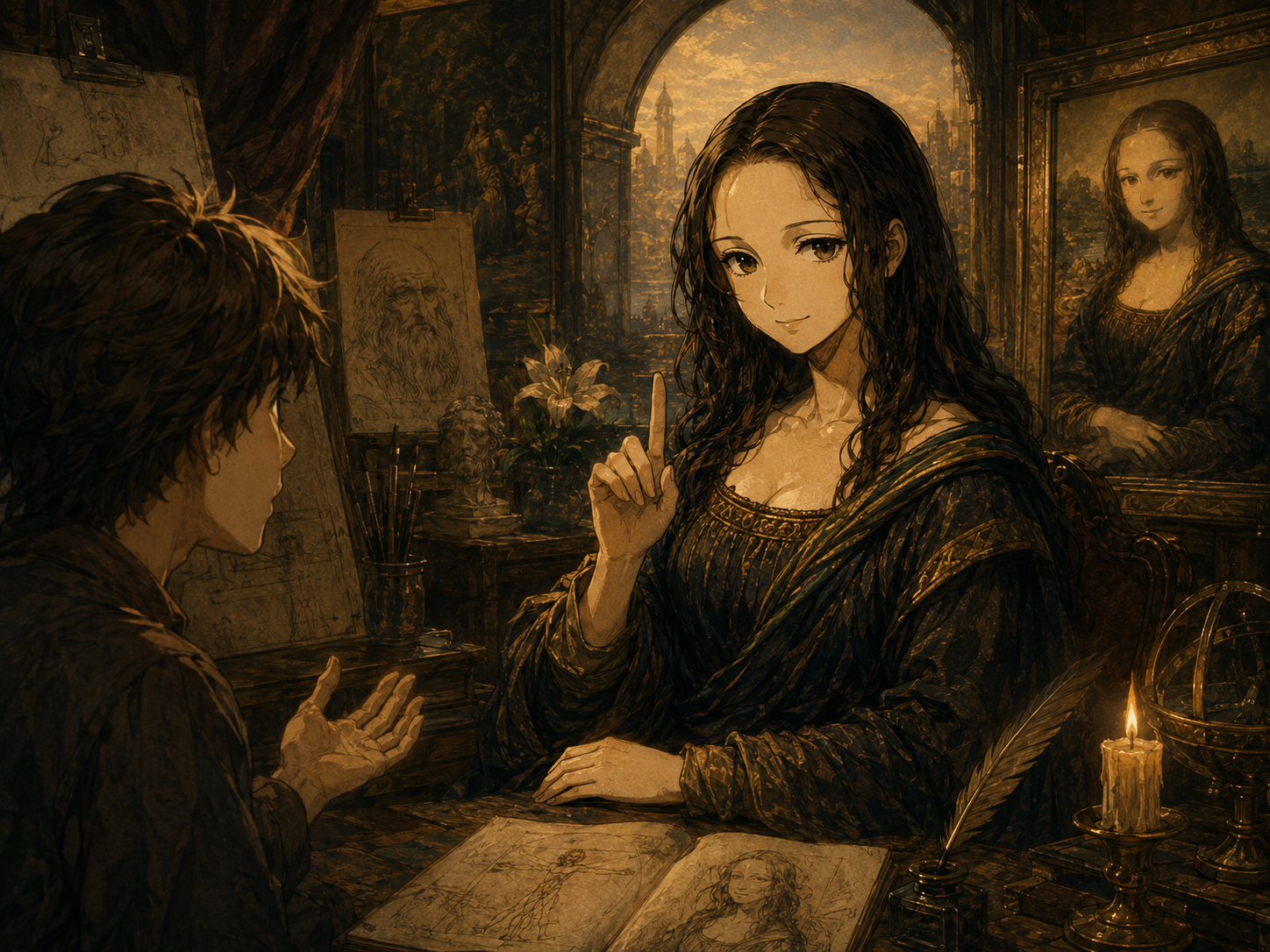
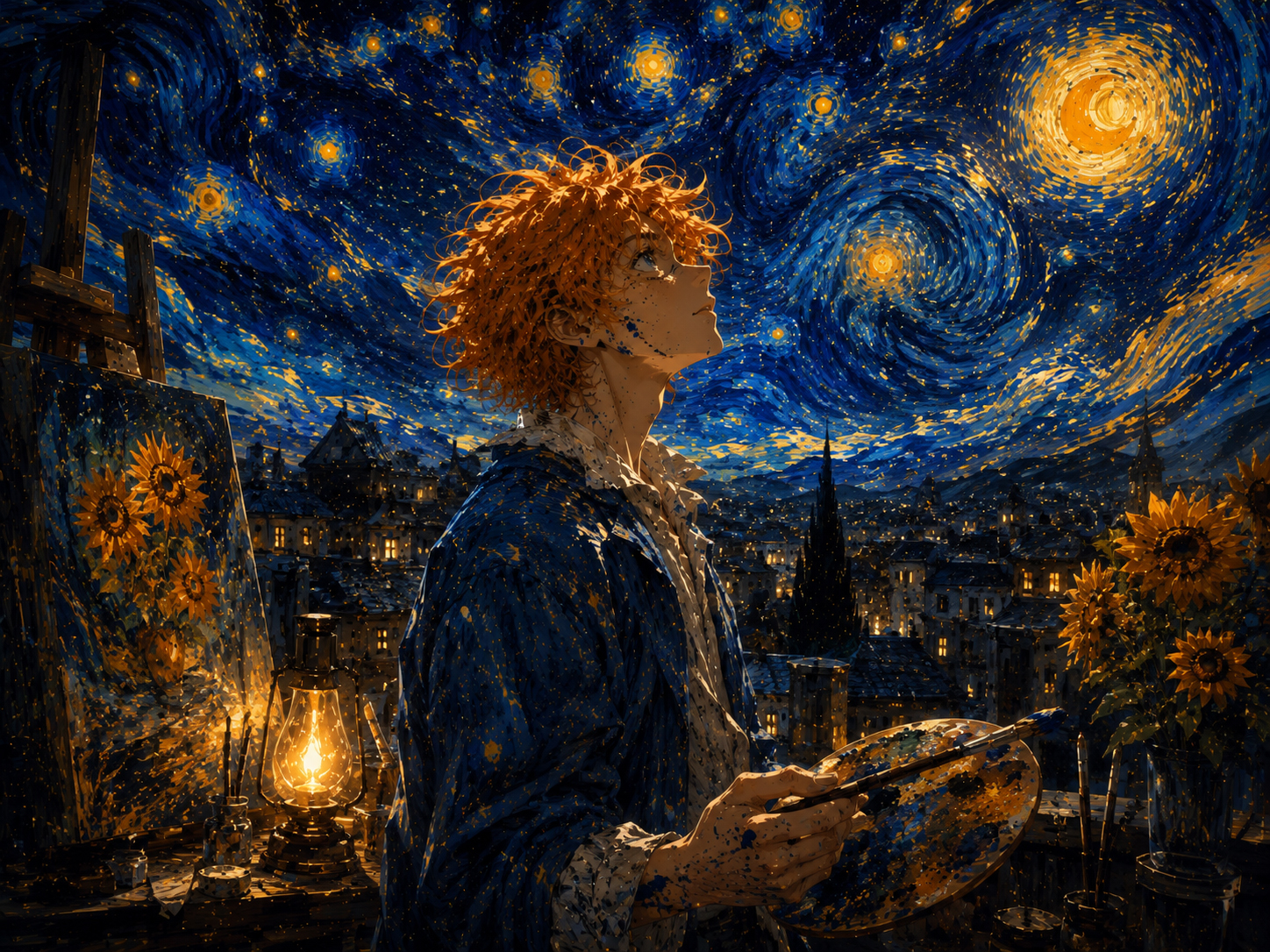
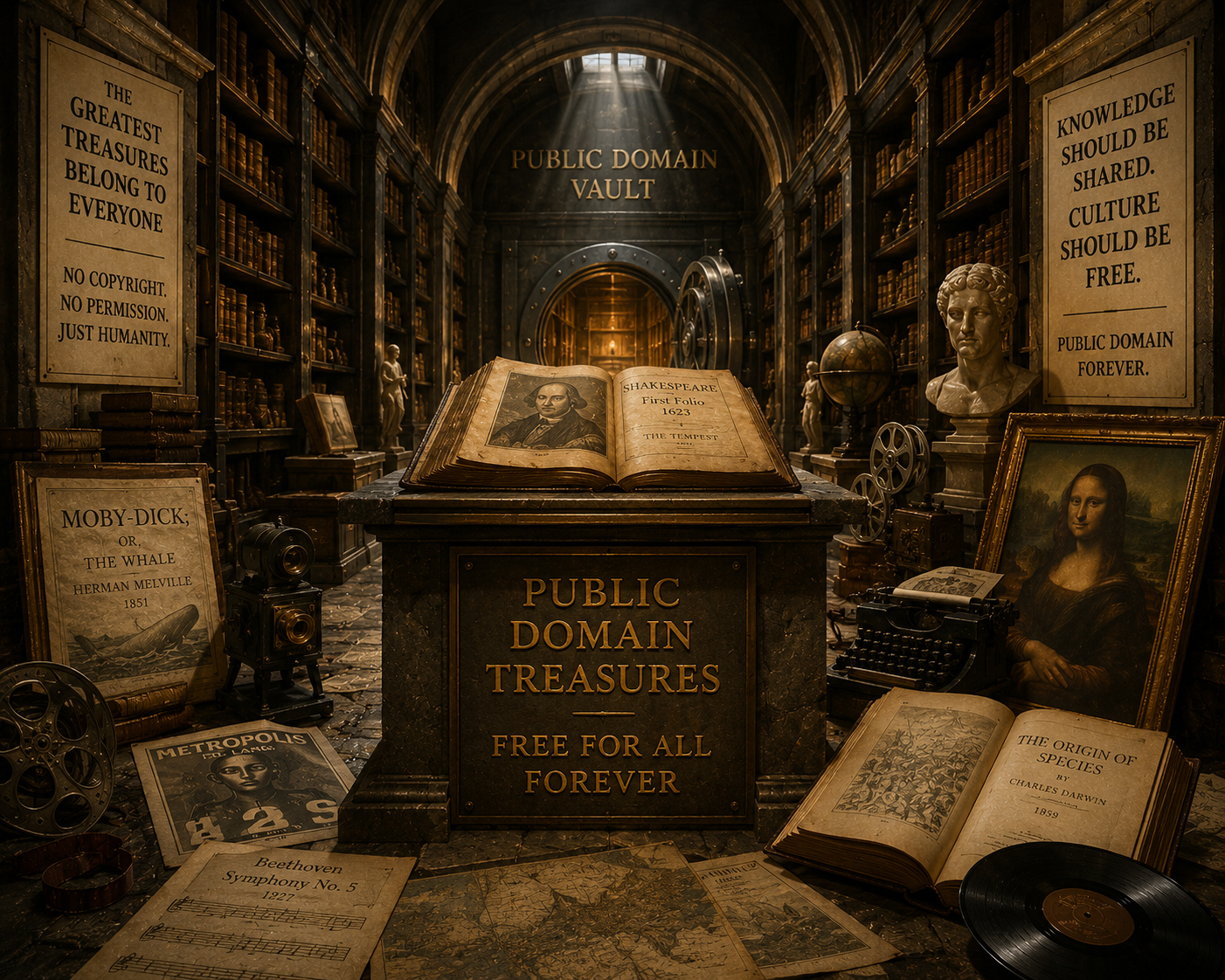
Open access is the secret passage.
FineArtDaily is built around public-domain art history, original illustration, and source-aware storytelling.
Public-domain treasure vault
Classic art belongs in daylight.
The site celebrates famous historical works, museum open-access collections, and original manga-style visuals inspired by art history. Direct reproductions should always be checked against the specific museum’s image license before publishing.
Open-access aware
Original illustrations
Sources page ready
No fake scholarship
Today’s invitation
Do not just recognize the painting. Read the room.
Every masterpiece has a surface story, a hidden structure, a patron, a symbol system, a material history, and at least one weird detail waiting patiently in the corner.
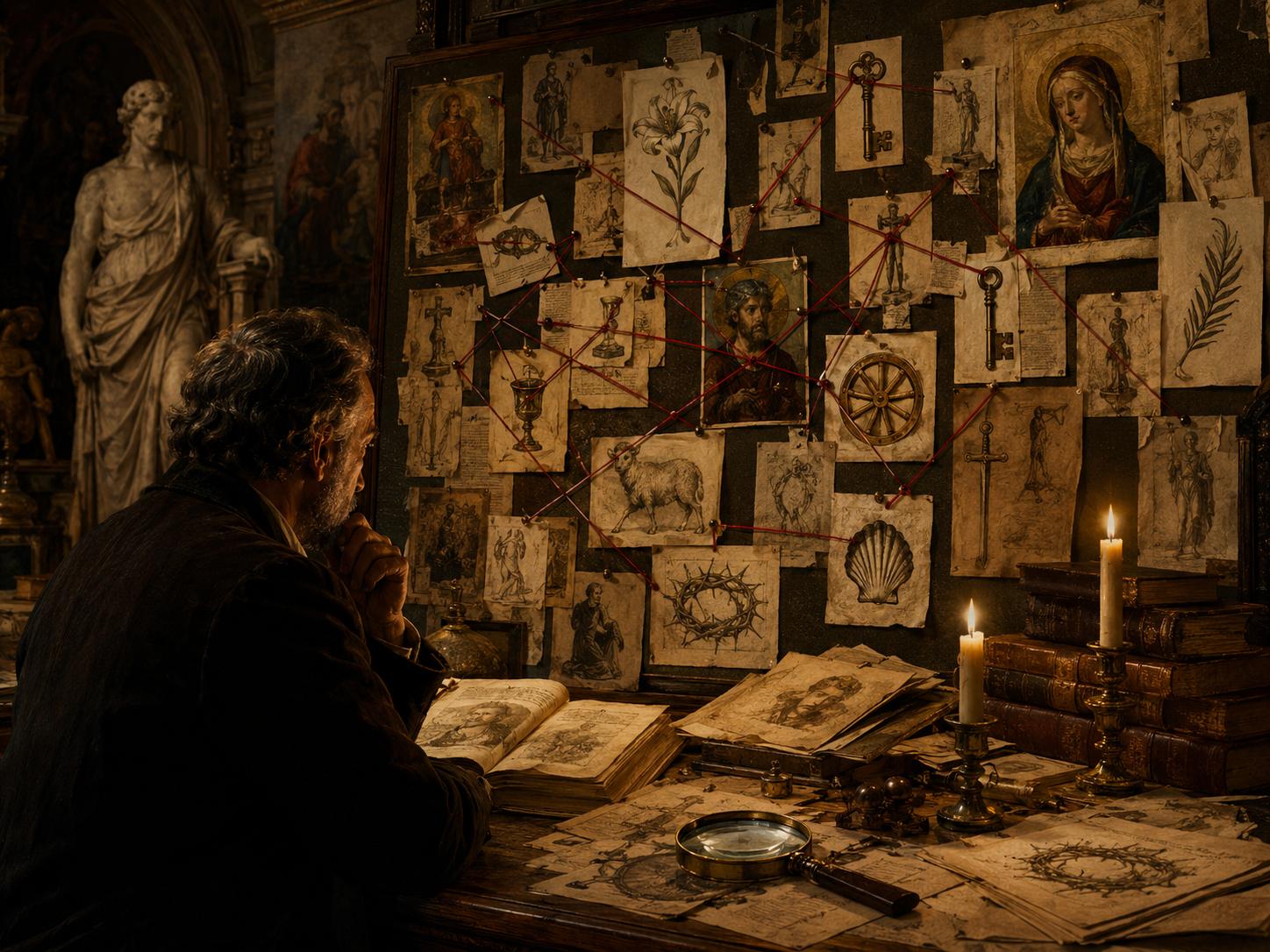
The clues were always there.
Keys, lilies, dogs, mirrors, skulls, candles, fruit, storms, halos, and the occasional suspicious goblin.